

Table of contents of the article:
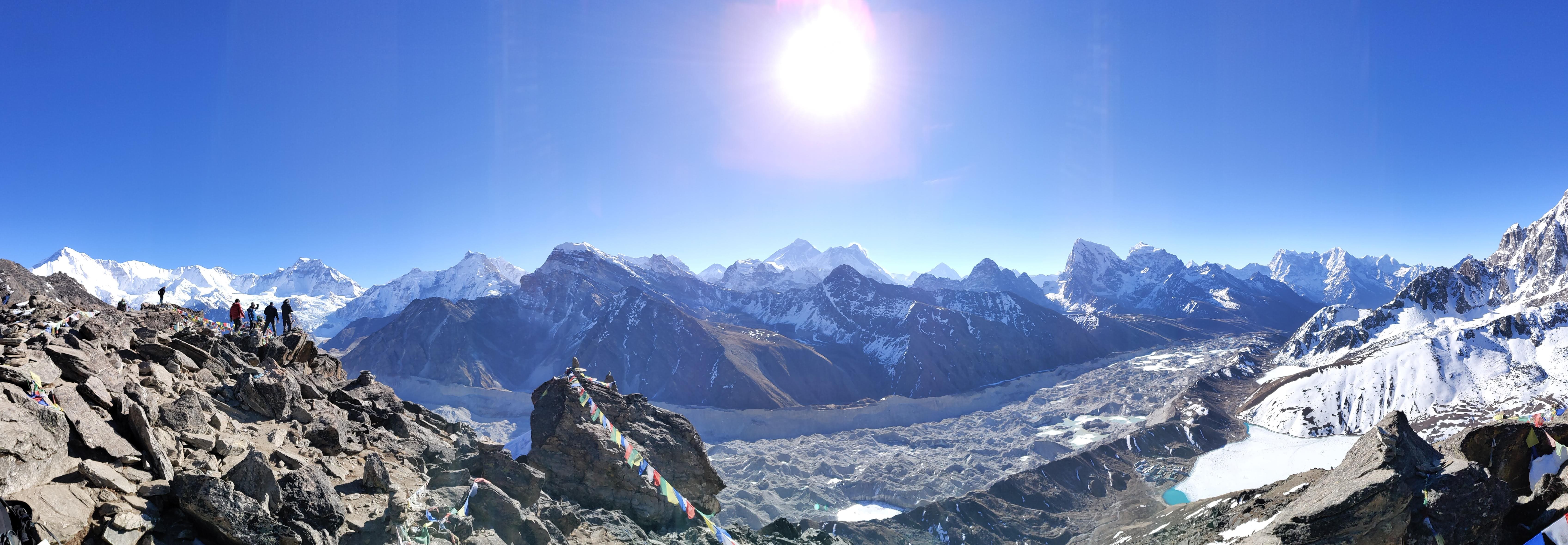
Do you know what reliably "turns on" the awareness of being a living person? Contrasts! Love and hate, light and darkness, satiety and hunger, heat and cold... only in contrasts do we feel the taste of life and its value.
That is why we believe that everyone should visit the country of contrasts – Nepal – at least once. It is a miniature country with the largest mountains on Earth, inhabited by incredible people with big hearts and great strength of spirit. There is a minimum of civilization benefits, but a maximum of spiritual energy. Tropical heat and eternal snows of the Himalayas, incredibly bright flowers and gray stones, lively monkeys and clumsy yaks, tiny lakes and a huge sun disk over the mesmerizing Everest...
If you are not yet familiar with this part of the world, then welcome to KULUAR – we are always happy to help you get to know the atmosphere of Nepal! And to put aside all your worries and calmly get ready for your dream trip, please refer to this guide, which covers the main issues of Nepal trekking.
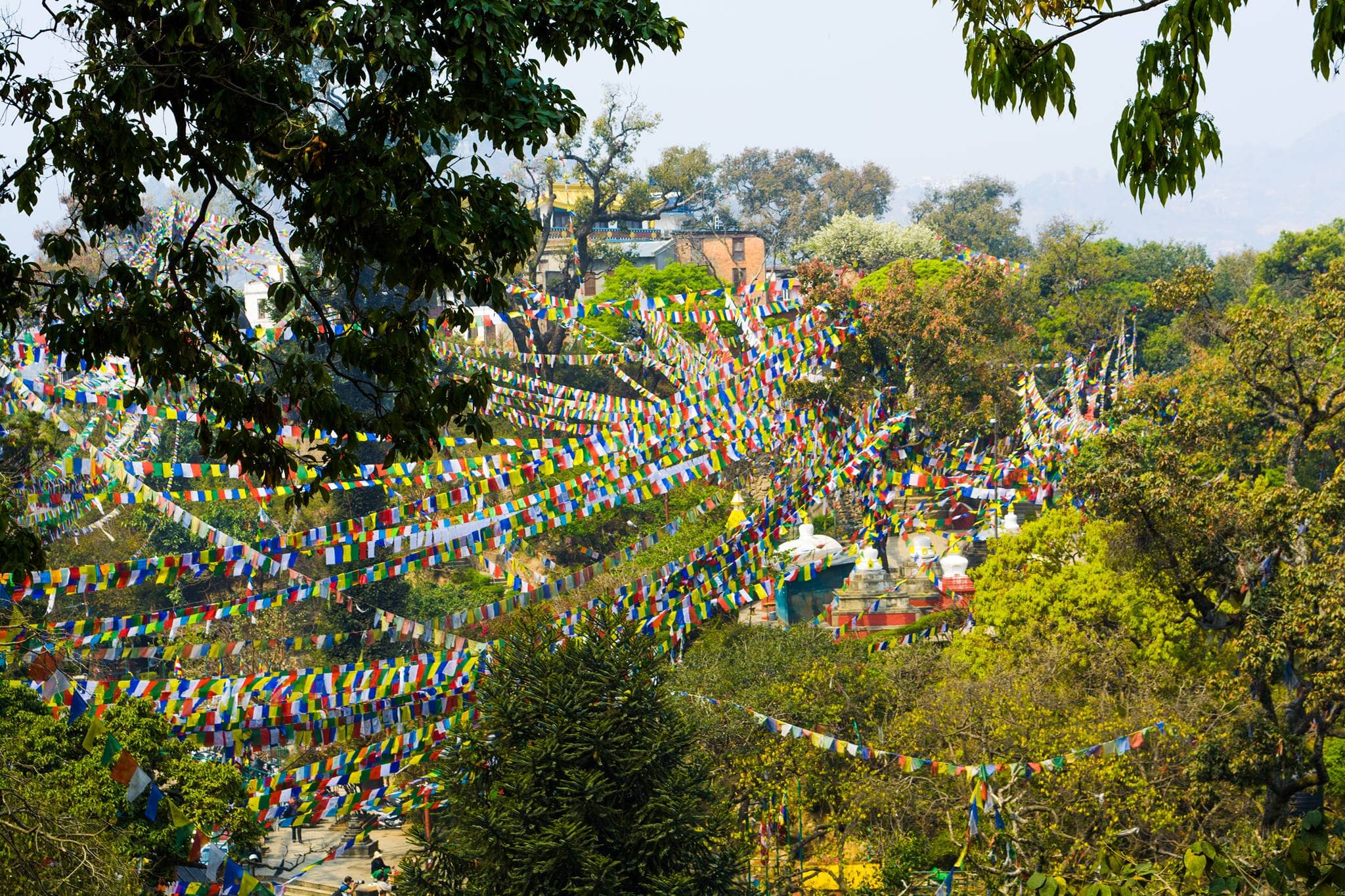
The Himalayan trails are open to tourists all year round, but the most comfortable and popular seasons are spring and fall. This is when there is the least rainfall, the sky is mostly clear and transparent, and the weather is stable.
For a detailed up-to-date weather forecast in Nepal, we recommend visiting the official website of the Department of Hydrology and Meteorology – www.dhm.gov.np.
The main highlight of the spring Himalayas is the blooming rhododendrons and magnolias! They are so spectacular that they overshadow even the view of the eight-thousanders 😉 Another interesting thing is that in April you can witness how Nepalese climbers set up base camps before the season of climbing Everest, Lhotse, Annapurna, Manaslu or other peaks (depending on the track you choose), but in May you have a chance to communicate directly with climbers in the base camp or on the route to it.

The main disadvantage is that there is still quite a lot of snow in the mountains and fresh snow can be poured, so it is a little harder to walk. Hikers looking for solitude should keep in mind that the most crowded time on the Everest Trek is in April-May.
Usually spring in Nepal pleases with fine days, but can be refreshing with 2–3 days of rainfall. This is not a big problem if you are mentally prepared for them and have packed the right equipment.
Air temperature. Focus on the following indicators: in Kathmandu during the day +20...+30℃, at night +10...+15℃. With the increase in altitude, it will become colder, at 3500–4000 m +5...+15℃ during the day and -2...-10℃ at night. Also, the higher the altitude, the more wind.
The average temperature in Nepal decreases by 6°C every 1000 meters of elevation.
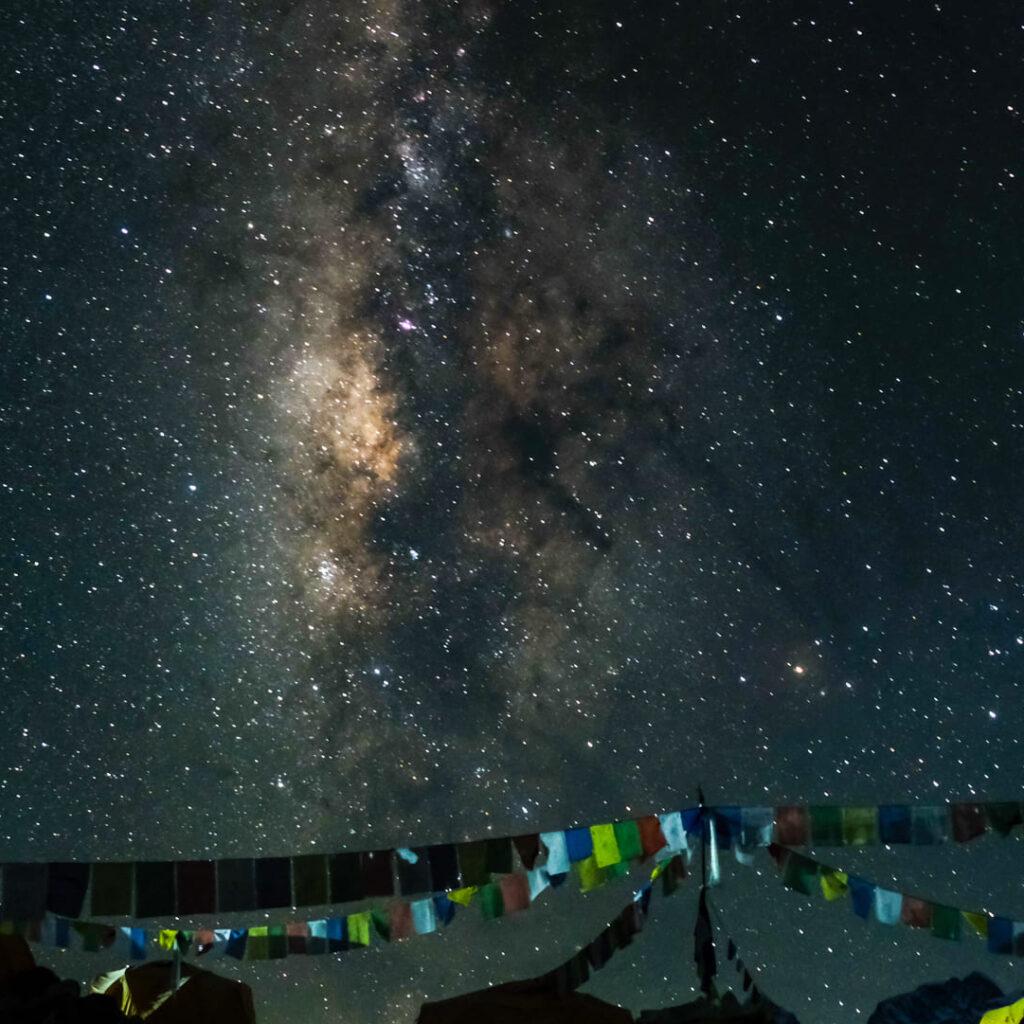
Instead of brightly flowering trees and butterflies, the autumn mountains present guests with small meadow flowers and an incredibly starry sky that inspires dreams of space travel. The air at this time is especially clear, as the amount of precipitation decreases to nothing. Over the summer, the snow on the trekking trails has completely melted, and new snow will fall in the winter. In such conditions, it's easier on the legs, and even the altitude (pressure changes, thin air) is a little easier.
The main disadvantage of autumn Nepal is the huge influx of tourists (especially in Sagarmatha National Park), but the climbing base camps will be mostly empty.
The air temperature is mostly similar to spring temperatures.

The main feature of Nepalese trekking in the off-season is the minimum number of people on the trails, including locals, so most lodges, shops and cafes are closed.
Winter is characterized by dry weather, unrelenting powerful winds, and strong temperature changes (so much for bright contrasts!). However, this is not an obstacle for those who are eager to go to Nepal for the Christmas or New Year holidays – of course, if you take the appropriate equipment. In February, there is a lot of snow on the routes and a high risk of avalanches.
The air temperature in Kathmandu in winter is +15...+20℃ during the day and +3...+7℃ at night. At the level of 3500–4000 meters, during the day it is 0...+7℃, and at night -10...-20℃.
By the way, we have a special offer for this season – Celebrate the New Year in Nepal.
Summer in the Himalayas is the season of monsoons and rains that fall almost every day. Not only will you be walking in the mud, but you probably won't see the majestic peaks at all. But the jungle will be as rich and green as possible... and full of leeches and mosquitoes. Some Nepalese organizers offer trekking in the summer months, but this is the worst period.
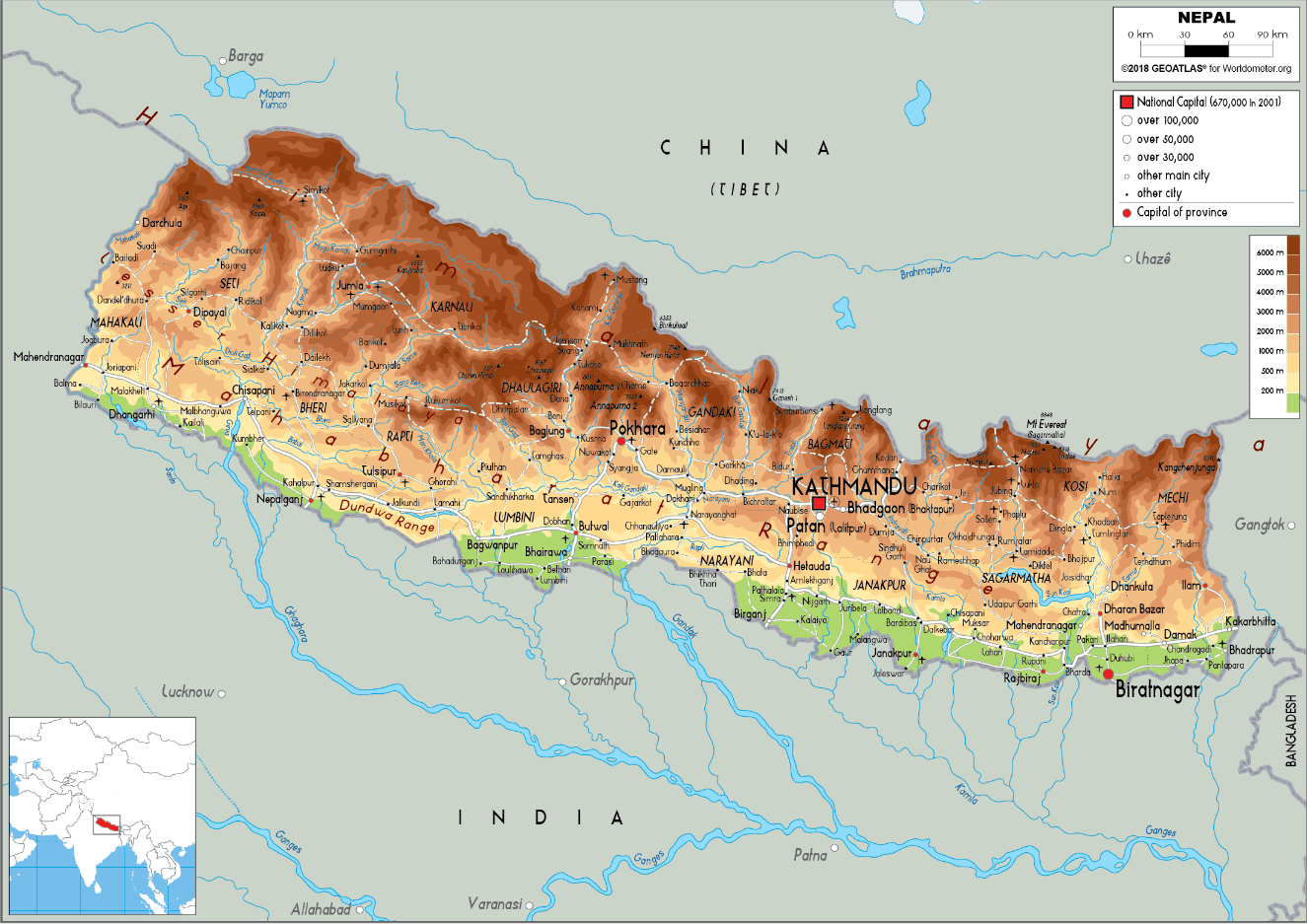
In the Nepalese Himalayas, there are more than 50 trekking routes (not to be confused with mountaineering routes). Some of them are short and simple, accessible even to children. There are also quite difficult ones that have long day hikes, pass through wild locations at high altitudes with little or no mountain shelters, so you need to go with tents and food supplies. For clarity, let's compare the most popular ones:
| track name / characteristics | complexity | duration | starting altitude | maximum height | features |
| Trekking to Everest Base Camp (EBC). Or its variation with a visit of the Gokyo lakes | Medium, closer to heavy | 15 days Or 18 days (Gokyo) | 2800m – Lukla | 5545m – the top of Kala Pattar | Best equipped, the best mobile/internet coverage. A lot of tourists |
| Three passes to the Everest BC (Everest 3 Passes) | High | 20 days | 2800m – Lukla | 5535m – the pass Kongma La | It's hard, but exciting. There are a lot of tourists in season |
| Trekking to Annapurna base camp | Low | 12 days | 822m – Pokhara | 4095m – Annapurna base camp | Includes a visit to the hot springs. Very popular among tourists |
| Trekking around Annapurna | Medium, closer to heavy | 15 days | 1430m – Chamzhe | 5416m – Torong La Pass | It's a circular path, so the views do not repeat. Partially runs along the highway. Pretty good coverage. Crowded |
| Mardi Himal Basecamp Trek | Low | 9 days | 2100м- Dheurali | 4500m – Mardi Himal base camp | Short, simple, not high, accessible. Sparsely populated |
| Trek Around Manaslu | High | 17 days | 900m – Macha Khola | 5110m – Larki La pass | You can go only with a guide. Sparsely populated |
| The Langtang trek (Langtang Valley) | Medium, closer to low | 13 days | 1450m – Syabrubesi | 4773m – Kyangjin Ri peak / 5050m – Ttsergo Ri peak | Short, not high, lots of green landscapes. Sparsely populated |
| Track around Dhaulagiri | Low | 16 days | 822m – Pokhara | 5360m – French Pass | Accommodation in both lodges and tent camps. Lots of wildlife. Few tourists |
| Kanchenjunga North | High | 20 days | 2200m – Bazantpur | 5140m – Pang Pema mountain | The proximity to India contributes to the fact that there are more elements of Buddhism here. Not crowded |
| Kanchenjunga South | High | 14 days | 2300m – Suketar | 4800m – Yalung glacier | A little easier than the northern route. Life is "ascetic" – very simple lodges, less variety in the menu. Not very crowded |
We have already made a more detailed review of these routes, so in order not to repeat ourselves, we suggest you read the details in the article How to choose a track in Nepal for your level of training.
A selection of trekking routes in the Himalayas – tours to Nepal from KULUAR
A separate selection of 3 options for hiking to the EBC – Everest with your own eyes
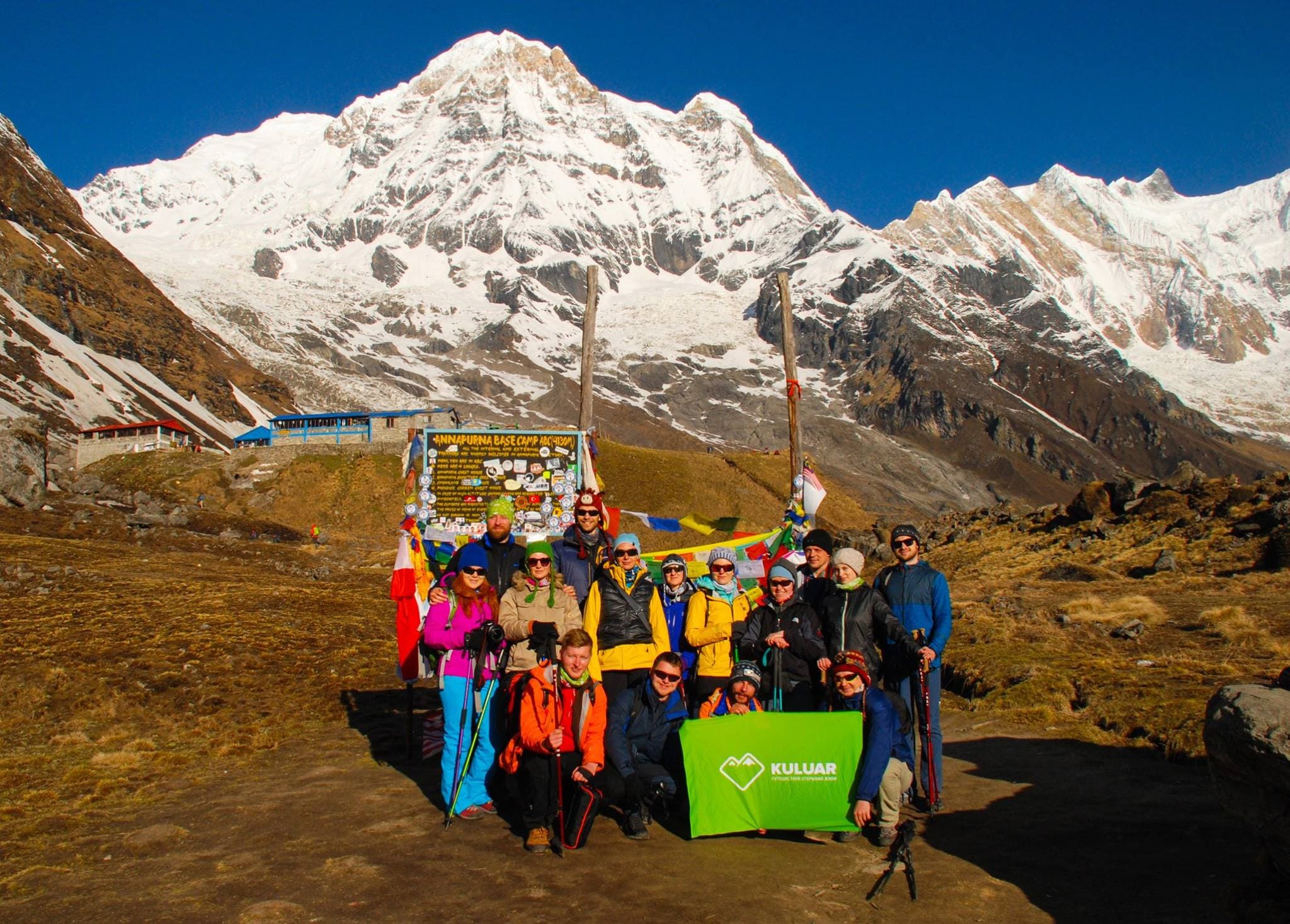
Please note that almost all tracks are located in national parks. Entrance is paid and requires special permits. Usually it is a simple formal procedure that requires passport and contact information. You need to keep the permit with you until the end of the route. If you're traveling with KULUAR, don't worry about all these troubles, our team leader will take care of them 😉

Everest Base Camp Trek via Gokyo Lakes and Cho La Pass is one of the most beautiful treks in the Sagarmatha National Park area. It is definitely worth going for anyone who dream...

Mardi Himal is a small peak by Nepali standards at 5,587m, located in the Annapurna region. For many years, the trek to the base camp was only accessible to a few tourists who w...

-->

The Annapurna Circuit Trek is rightfully considered one of the most beautiful and popular hiking routes in the world. The picturesque trail stretches along the banks of the Marsyanda and leads u...

Trekking to Annapurna Base Camp (ABC) – is one of the best ways to get to know Nepal. Almost on every section of the route we will pass a new climatic zone (there are six of the...

Everest – the roof of the world! The mother of all mountains, which has seen the birth and death of the most famous climbers in history. This is the peak that everyone has heard about, and only ...
Well, yes and no...
Participation in most trekking programs does not require special physical training, technical knowledge or skills in moving on snow, ice, or vertical routes. Trekking in Nepal is a hike on marked trails, with small backpacks (if you use a porter) and overnight stays in lodges (on popular routes).
At the same time, one should not underestimate the main difficulty – the altitude gain, which is characterized by stress on the cardiovascular system and joints. Hiking at an altitude of more than 3.5–4 thousand meters above sea level is not recommended for children under seven years old, and older people should be more attentive to their health. Also pay attention to the list of medical contraindications for hiking.
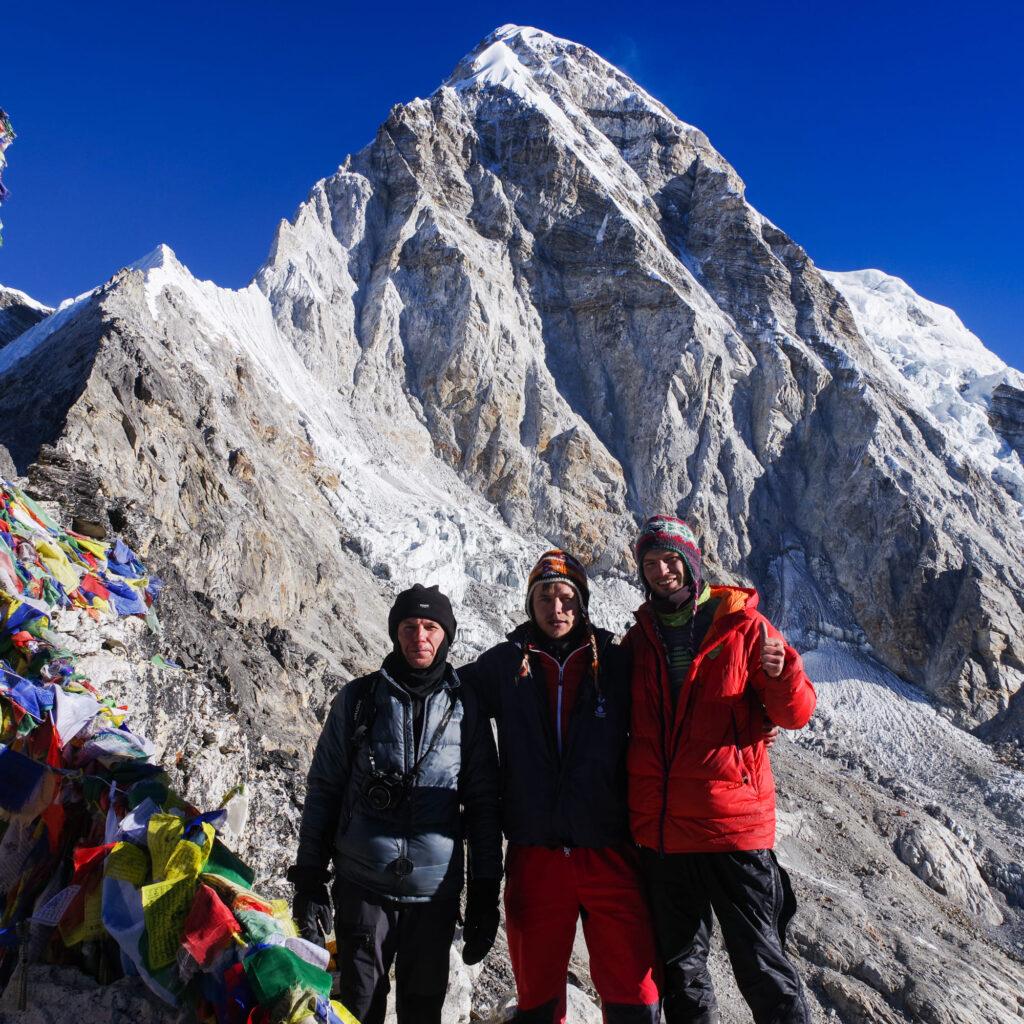
It's more about your respect for yourself. You can do nothing and go to the mountains, so to speak, from the couch. Or you can make efforts to help your body become more resilient and then suffer less from fatigue and have more energy for emotions.
How to strengthen your body:
For those who want to prepare more systematically, we suggest saving the link to the article Training before hiking and referring to its tips.
In short: a porter is a person who is professionally engaged in carrying things. In fact, he takes 20–30 kg of cargo and carries it along the route from lodge to lodge. The fee per day is about $20, depending on the route (at the end of the track, it is customary to pay another $20–50 in tips).
We also devoted a separate article to this topic by Porter on Track. To take or not to take, so you can learn more in it.
You are not required to use the services of a porter while trekking in the Himalayas. However, for those who are going to the high mountains for the first time, who do not have the appropriate physical training, or who just want to spend their vacation without overloading, it will be advisable to give 10 kg of cargo to a porter. Against the background of the total cost of a trip to Nepal, saving about $150 will not make a difference in the wallet, but the body will be supported.
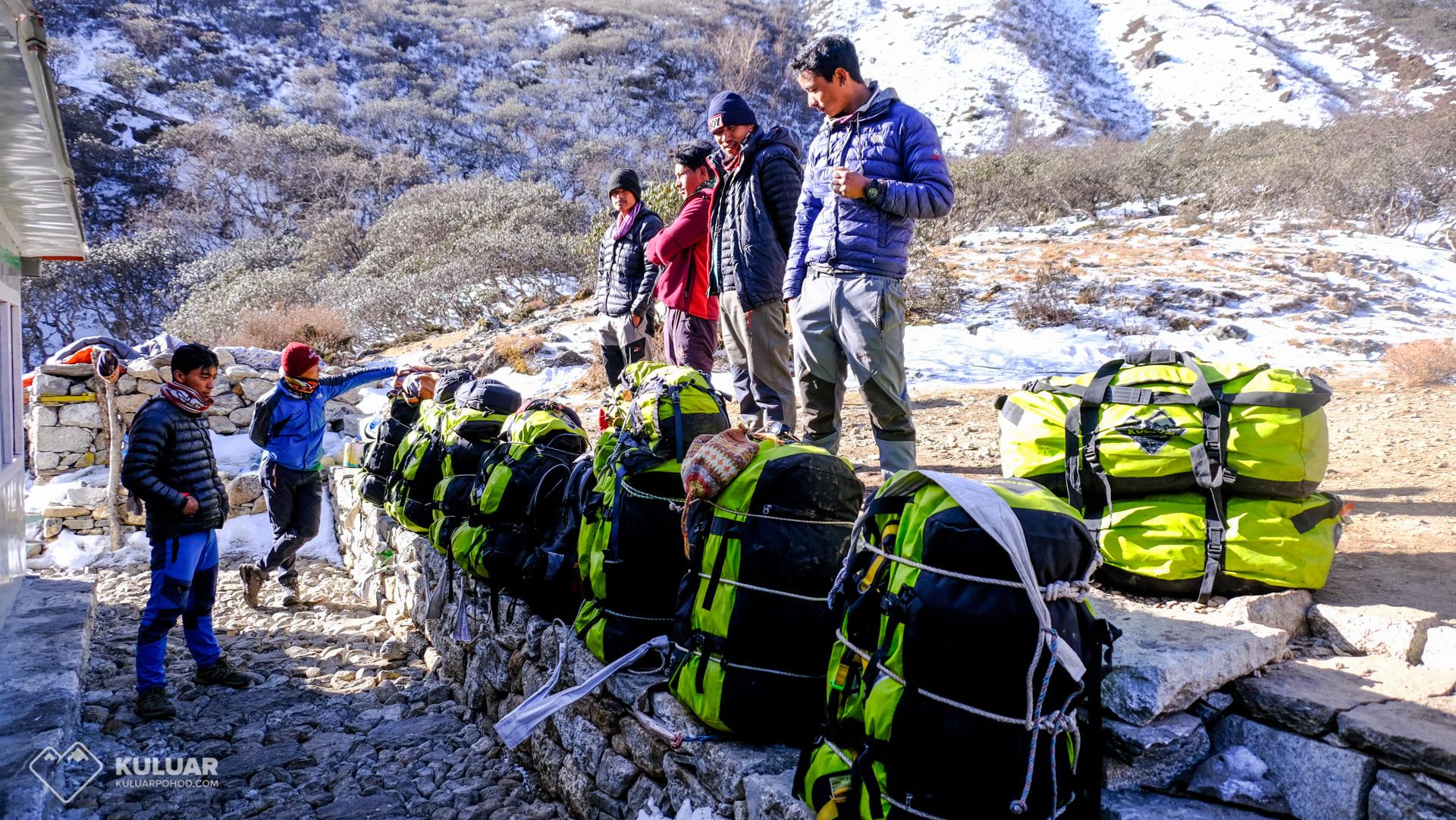
You need a bag to carry your belongings on the porter. If you are going with KULUAR, we provide our own bags, where you can put your sleeping bag, change of shoes, clothes and other things that you do not need during the daytime crossing.
Important! The porter walks separately from the group, so you won't be able to take anything from the bag on the trail during the day. So every morning, when packing, consider what you need to have on hand on the route (thermos, snacks, raincoat, insulation) and put it in your backpack. The rest of the breakfast stuff is packed in a bowl and given to the porter, and he sets off. When the group reaches the place of the next night, the porter gives you the bags and you can use the crew again until the next morning.
In the major cities of Nepal, there is a large selection of hotels and hostels of different comfort levels and, accordingly, price categories: from budget ones for a few dollars to 5* for hundreds per night. This is very pleasing, because in contrast to the ascetic conditions during the trek, a fresh bed and a hot shower are perceived as a heavenly pleasure... and what can we say about hotels with a swimming pool and spa?
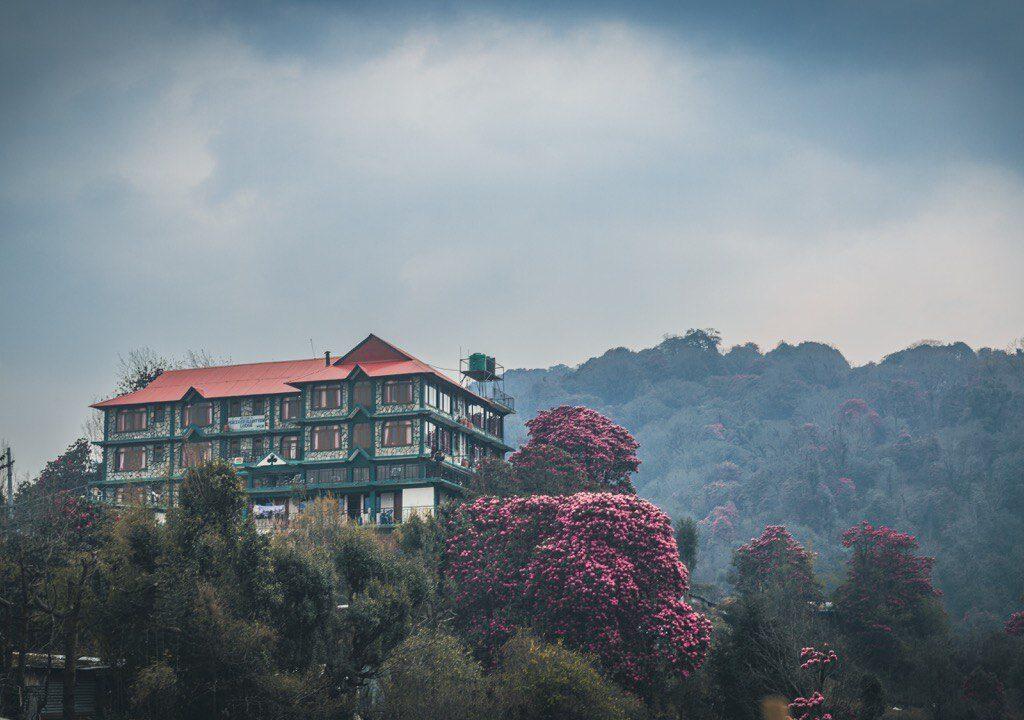
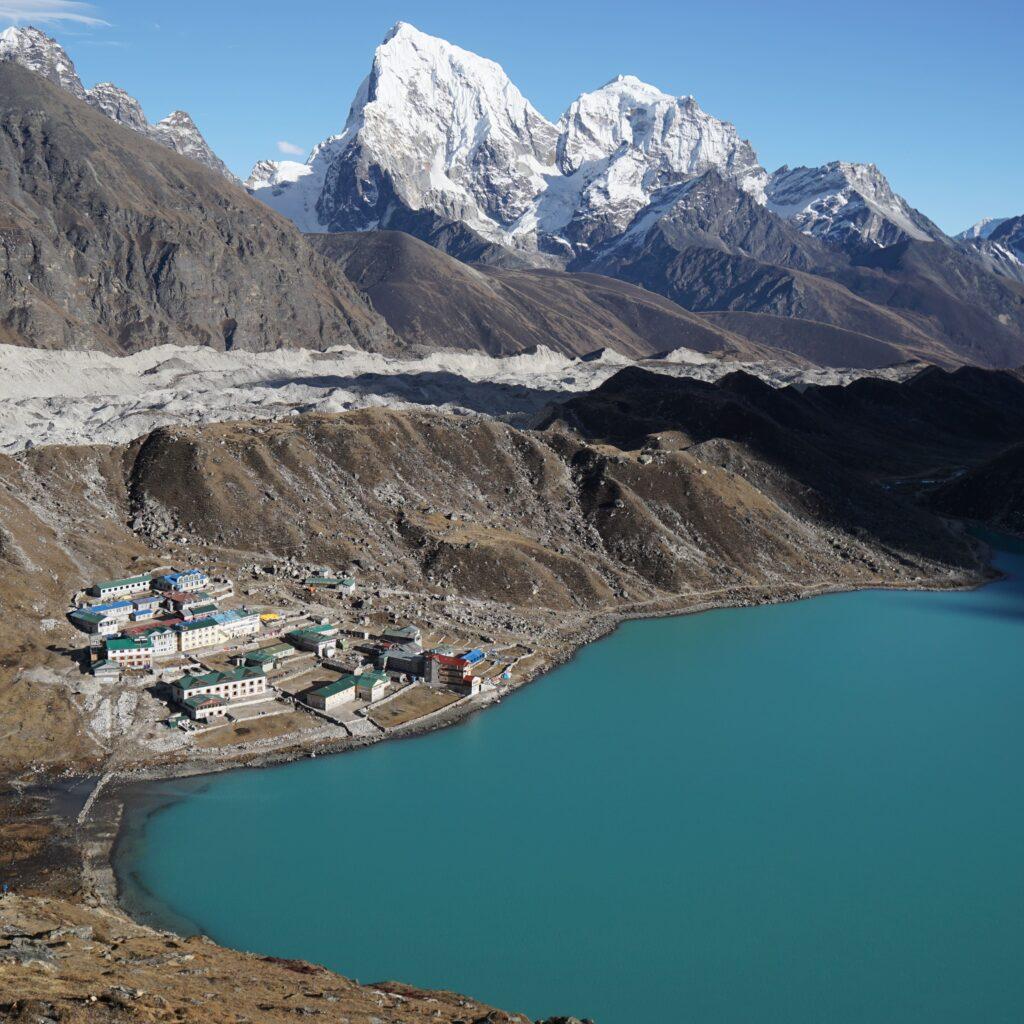
There is a general tendency on routes with increasing altitude: the higher the altitude, the more expensive it is, but the conditions are usually worse. The only exception is the village of Namche Bazaar (on the Trek to Everest Base Camp), which at an altitude of 3440 meters pampers guests with comfortable lodges and cafes.
Also, the level of lodges depends on the popularity of the route, and, accordingly, on the amount of money left by tourists. On the same EBC track, the lodges are the most comfortable and even at altitudes up to 5000 m offer accommodation with a toilet in each room. However, at this altitude, the water in the toilet freezes at night. And on wilder routes, such as trekking to Makalu, even lodges at an altitude of about 2500 m will have a toilet either in the corridor or on the street, and instead of walls, there may be just polyethylene.
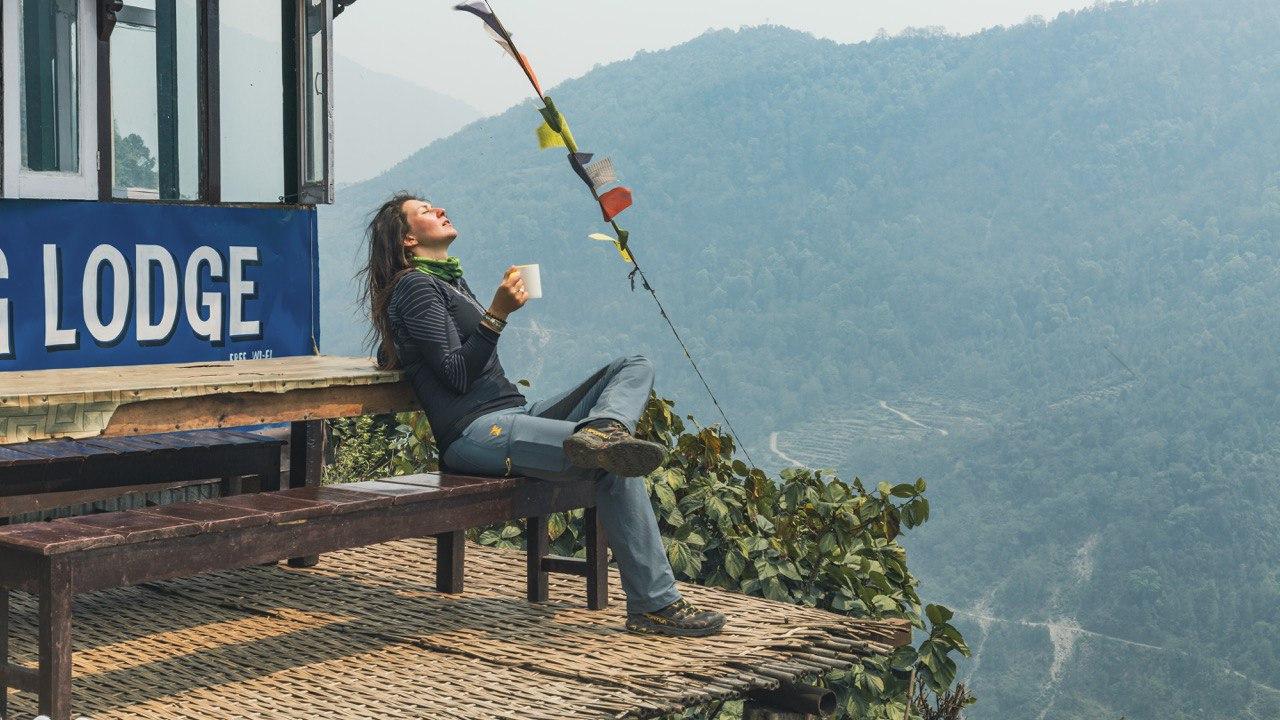
So what are typical lodges like?
Actually, these are mountain shelters, guesthouses. They consist of one or more "buildings" made of wood and stone. They have no heating (except for a stove).
What about electricity?
Similarly, there are no problems down on popular routes. But at higher altitudes or in wilder areas, electricity comes from solar panels, so you have to pay to recharge your gadgets. The cost per 1 hour or per device ranges from 100 to 700 rupees (depending on the route and altitude).
What we recommend: take enough batteries for your gadgets. You can also bring a portable solar panel that will power the power bank during the day and charge other devices from it (just don't forget to take adapters).
Is it possible to live in tents?
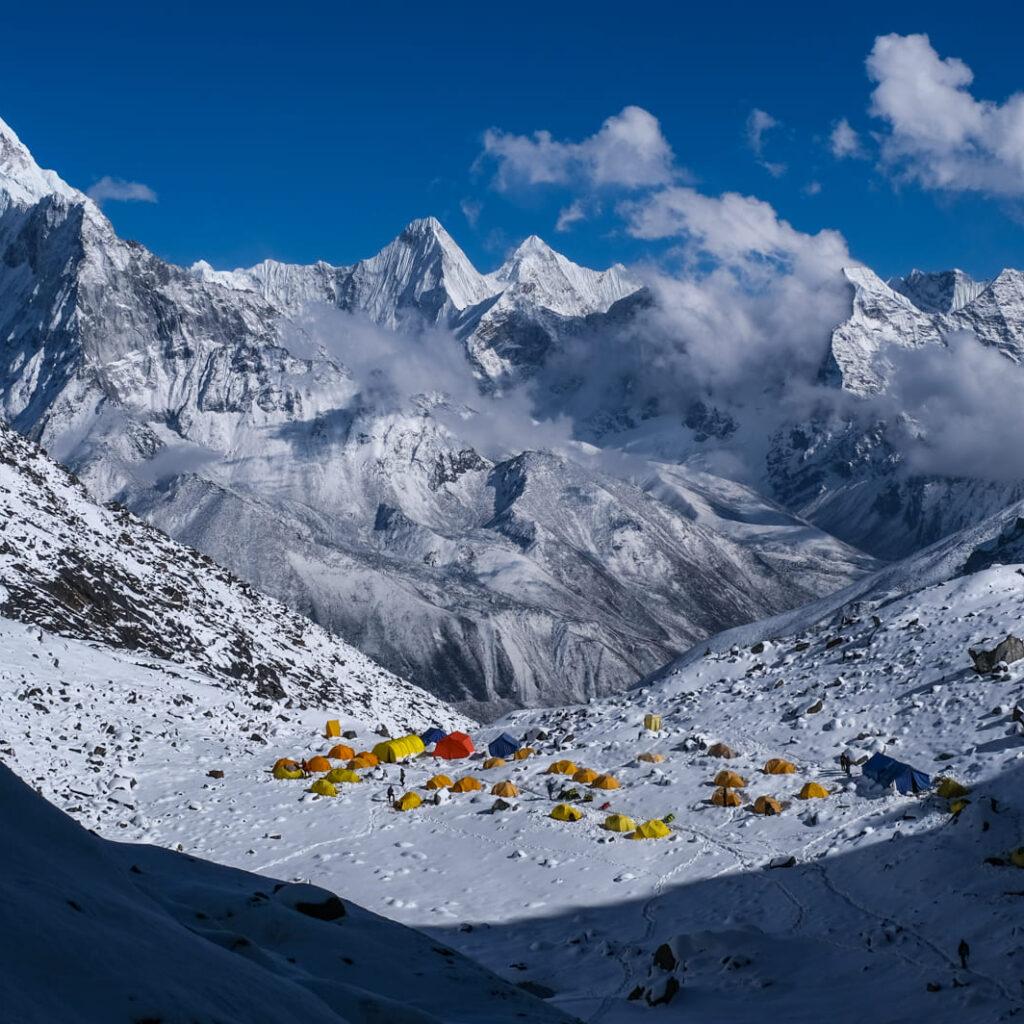
Yes, in the Himalayas you can set up tents anywhere. However, few trekkers choose this option. It is advisable to carry a tent only where there are no (very few) mountain shelters.
For sleeping. First of all, a sleeping bag with a comfort temperature of -5...-10℃ will ensure a good rest. You can take both synthetic and down. The weight of the sleeping bag is not so critical if it is carried by a porter. If you have a sleeping bag for a temperature of about 0℃, you can additionally take a fleece sheet-liner in order not to buy a new one. You can also ask for 2 blankets in the lodges.
For personal hygiene. In addition to the standard set of toothpaste, toothbrush, microfiber towel, and toilet paper roll, take dry shampoo. And, as mentioned above, you'll need a supply of wet wipes to replace the shower to some extent. One more thing: stock up on hand sanitizers (pocket sanitizers). Use them regularly and at the same time keep in mind that they dry out the skin, so a moisturizer will not be superfluous.
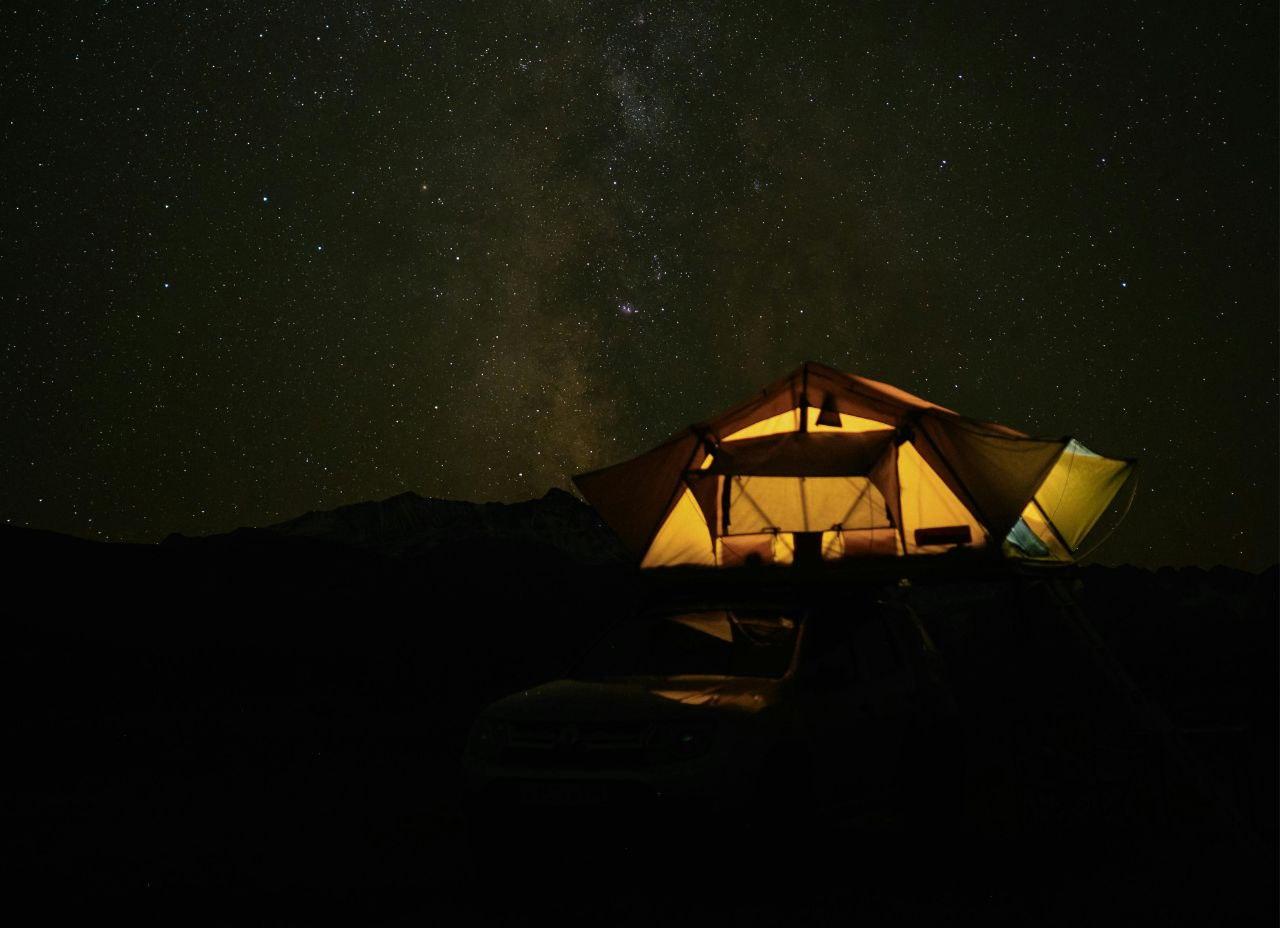
For lighting. Not all lodges have room lighting, so you'll need a headlamp. You'll also need it for nighttime hikes, so make sure you have a spare set of batteries. Some trekkers also bring a camping lantern or even a whole garland – it's not a lot of weight/volume, but it will create a pretty magical atmosphere.
We could write an entire treatise on this topic, so in order not to choke on our saliva, we'll limit ourselves to the main points.
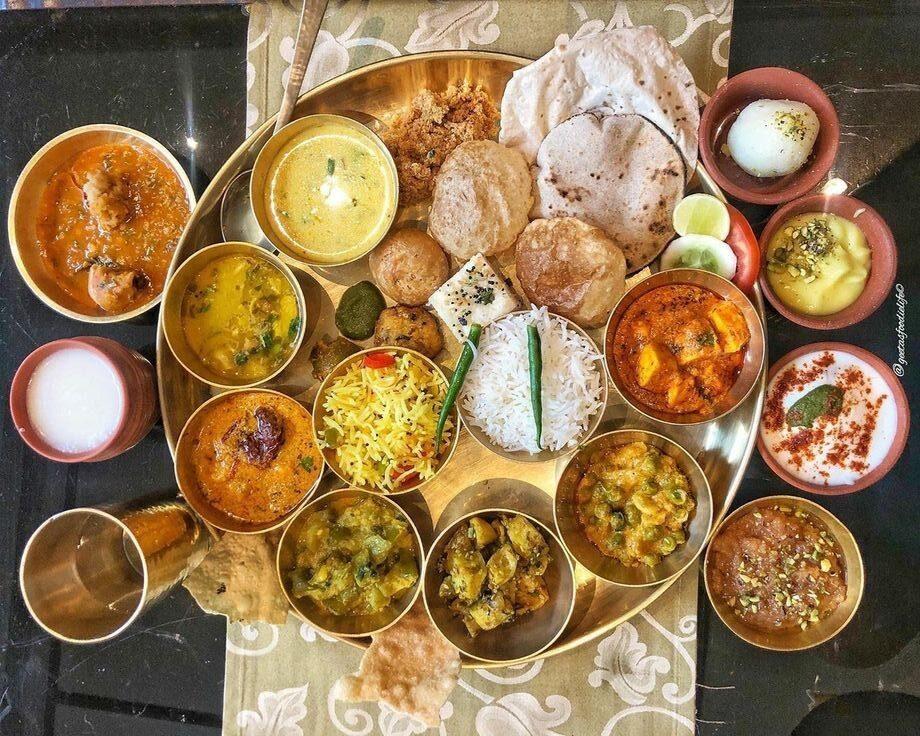
To be honest, you don't need to bring any utensils at all, as cafes and canteens provide everything you need. Some people take a water flask, but given that drinking water is bought in plastic bottles, there is no point in pouring it over.
The only thing we recommend is a thermos, because here you are your own chef and do not depend on the offers in the lodges and their availability.
Different routes have different start/end points, and for convenience, the team gathers and says goodbye in the capital of Nepal. After all, Kathmandu has the main international airport and the most convenient transportation interchange, which allows you to get to Lukla, Pokhara and other settlements by air or land.
We are often asked to recommend airline campaigns, so here are the most popular ones – AirArabia, FlyDubai, Qatar, Emirates, Turkish airlines. However, pay attention to monitoring the offers of other carriers, you may find a more convenient or cheaper option.
It's best to arrive in Kathmandu on an early flight or the day before the start to have time to rest after the flight, walk around the city, buy food and things for trekking. As for the return flight, after the end of the main program, you can spend a few more days visiting local attractions. There are so many of them in the country. You will find ideas in the material about Nepal's sights, and the team leader or our local partners will help you with the organization.
Roaming works wherever there is a mobile connection. You can use free Wi-Fi in cafes and hotels in Kathmandu, Pokhara, and Namche Bazaar. In the mountains on the trails, the situation is completely different:
Do I need medical insurance?
This document is not required when entering Nepal or entering national parks. So it is not required for trekking, but it is very useful for you personally. Why: As you have already understood, the tracks run at a considerable altitude, where there is no ground transportation (except for a few routes). Therefore, in case of illness or injury, you can evacuate either by donkey or helicopter.
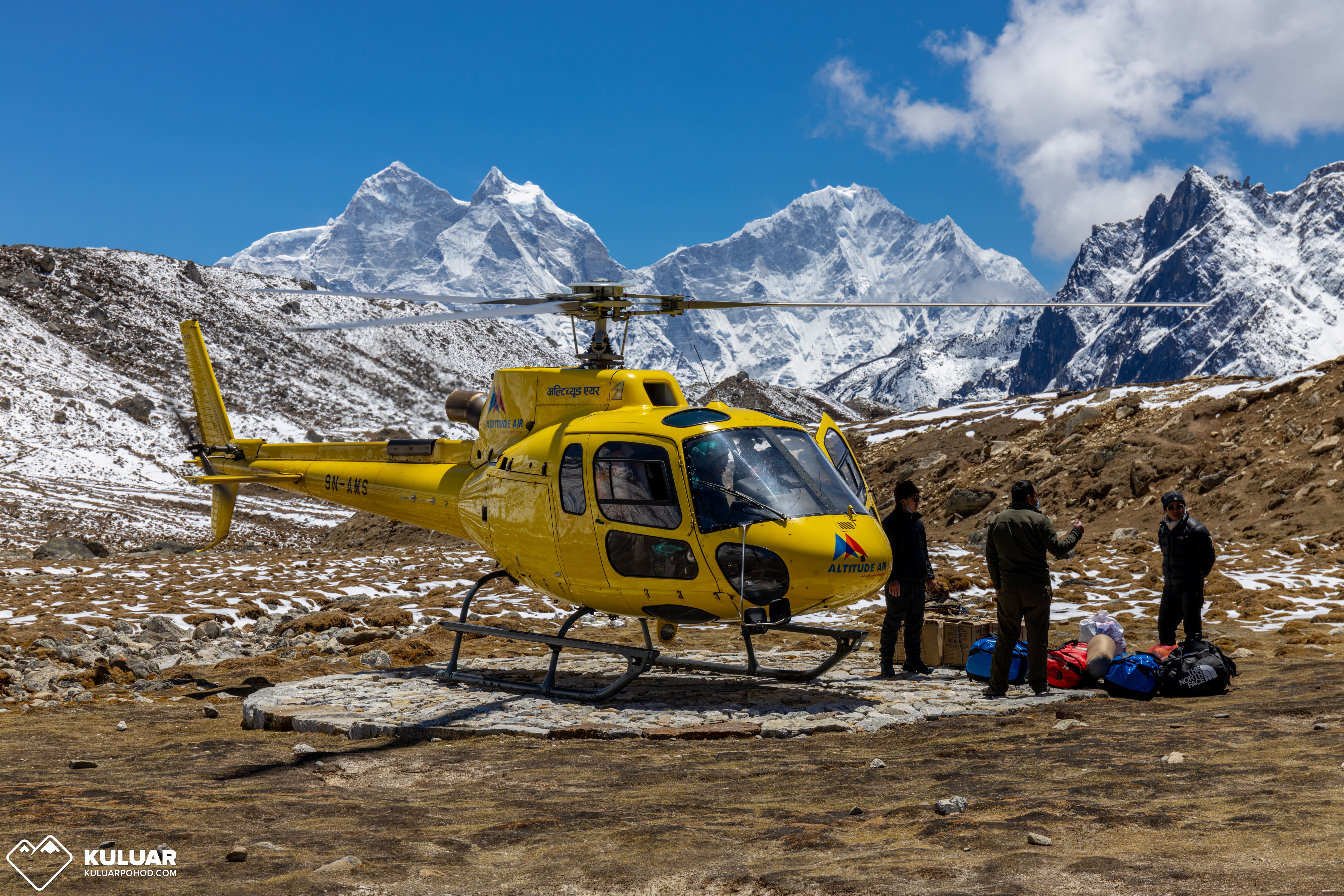
The first option is quite a ride, because the animal moves slowly, a bit clumsily, and always seems to be about to fall. Of course, a helicopter is much faster and more reliable, but it also costs about $4,000. This cost can be reimbursed by an insurance company if you take out a policy in advance that covers trekking at altitudes up to 6,000 meters and includes helicopter evacuation.
What documents to bring, how to apply for a visa?
To enter Nepal, you must have a passport and a visa. Pay attention to the expiration date of your passport, it must be valid for at least 6 months from the date of your return flight. A tourist visa is issued upon arrival at the international airport. To do this, you need to pay a fee and fill out an "arrival card", the form is issued at the airport, or it can be issued online on the website of the Nepalese Immigration Department (here – nepaliport.immigration.gov.np/online) and printed in advance. To pay the visa fee on the spot, prepare the required amount in dollars.
For detailed up-to-date information on the visa regime in Nepal, please visit the official website of the Department of Immigration – nepaliport.immigration.gov.np: Rules for entering Nepal and Step-by-step instructions for applying for a Nepalese visa.
How much money to take, in what currency, where to change it?
It is important to keep in mind that there are very few ATMs and places where you can pay with a bank card, so it is better to have cash. The local currency is Nepalese rupees, although in many tourist places you can pay with dollars (the exchange rate will be unfavorable, so take care of small denominations). Exchange offices accept various currencies, but dollars are the easiest to change. Approximate exchange rate: 1 usd = 130 npr.
If you are going on a tour with KULUAR, the cost of the tour already includes the main expenses for permits, accommodation, transfers, and excursions within the program. The rest are calculated individually, because everyone has their own appetites 😉 The guidelines are as follows:
How to save money?
First of all, on food, and it's not about starvation, but only about giving up steaks, desserts, and ready-made drinks (brewed coffee, beer, cola), which are very expensive in the mountains.
It is also worth noting that Nepalese portions are very large – often divided into two. We recommend ordering Dal Bhat (if you like it), because they will carry the supplement as much as you want for free.
Secondly, if you feel strong and have experience in trekking, you don't need to use the services of a porter.
And one more tip. For those who have experience, know English and are ready to solve organizational issues on their own, we can offer to go on the track with a local guide. Read more in the article About hiking with local guides.
In general, traveling to Nepal is considered safe (which is not the case, for example, in Argentina). The people here are friendly and helpful, and there are almost no pickpockets or criminal elements. But! Do not flash large sums of money in public, rather divide the money and keep $50–100 for current expenses within easy reach, and hide the rest safely.
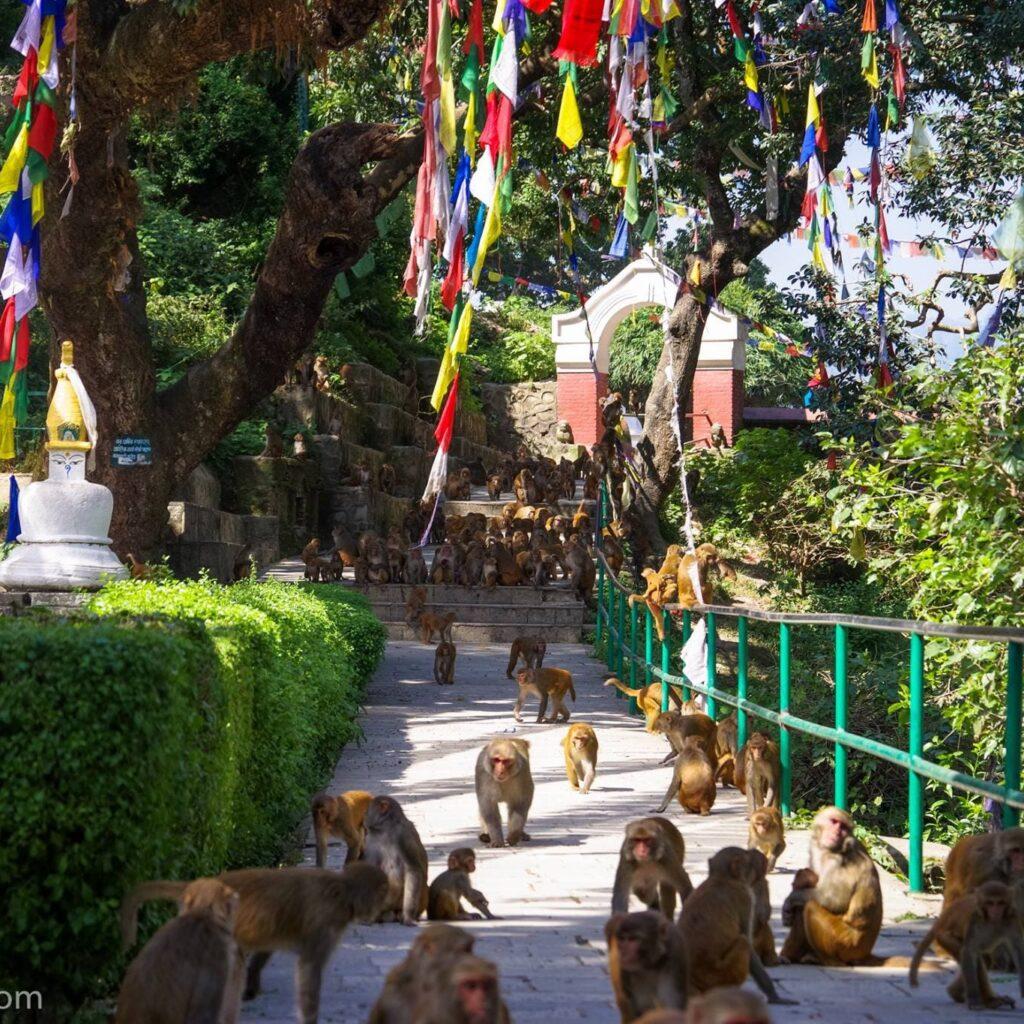
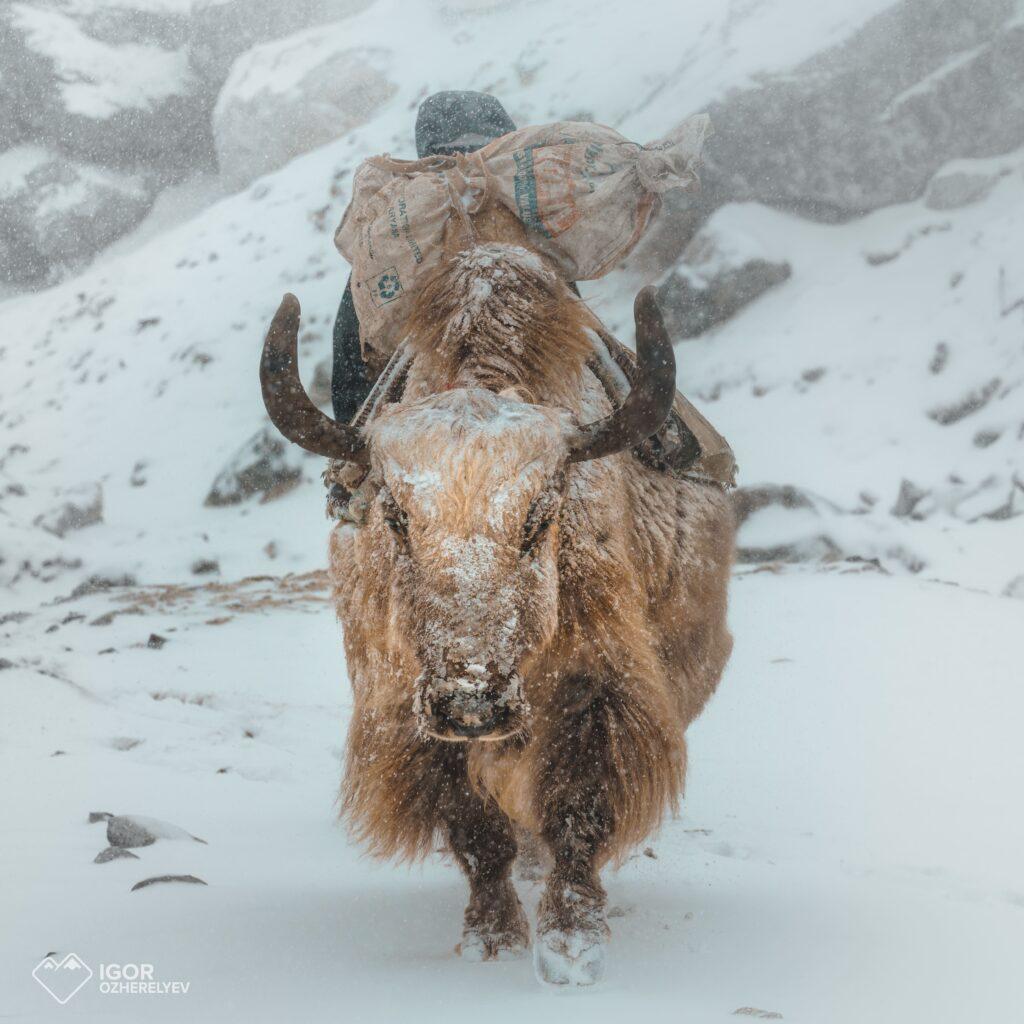
Wild animals do not pose a threat if you stay in populated areas and do not stray from marked trails. However, impudent monkeys can steal food and personal belongings, so you need to watch out for these things. We do not recommend getting too close to yaks and wild horses.
In tropical areas, be sure to use repellents, as local ticks, mosquitoes, and other mosquitoes carry dangerous infections.
Heavy rains, flooding, and mudslides are typical for June and August, and avalanches are typical for February and March. The rest of the time, the only natural disasters that are scary are earthquakes. However, they do not happen often.
Detailed instructions on equipment we have written in the article List of clothes for trekking in Nepal and provide in the description of each of our programs. So here we will provide only brief information for clarity:
Actually, this list will be enough to pick up a comfortable set for walking in a tropical zone and not to give up when climbing to 5,000 meters.
Some of the equipment can be purchased upon arrival in Nepal. Read more: Where, what and how much to buy in Kathmandu.
And if you decide to buy everything at home, then welcome to our partner - the X-Zone travel equipment store, where you will get up to 15% off and can use your KUL.
The sun in the mountains is very aggressive, so you need to protect yourself from harmful ultraviolet rays:
We do not recommend saving money on these items of equipment, because low-quality goods will not only be useless, but also cause harm.
Just a reminder. Hiking in the mountains is the art of changing clothes in time. So, pack enough clothes for different weather conditions in your hiking backpack: you should have a light T-shirt, fleece, down jacket, windbreaker, and thin and warm pants, respectively. Don't be lazy and regularly unzip/zip for ventilation/heat retention, and take off/put on extra/additional layers of clothing in time – don't make yourself sweat or get hypothermic! It should be noted here that wearing a plastic raincoat is a big mistake, as it is not ventilated and does not allow the body to breathe enough, which can lead to overheating.
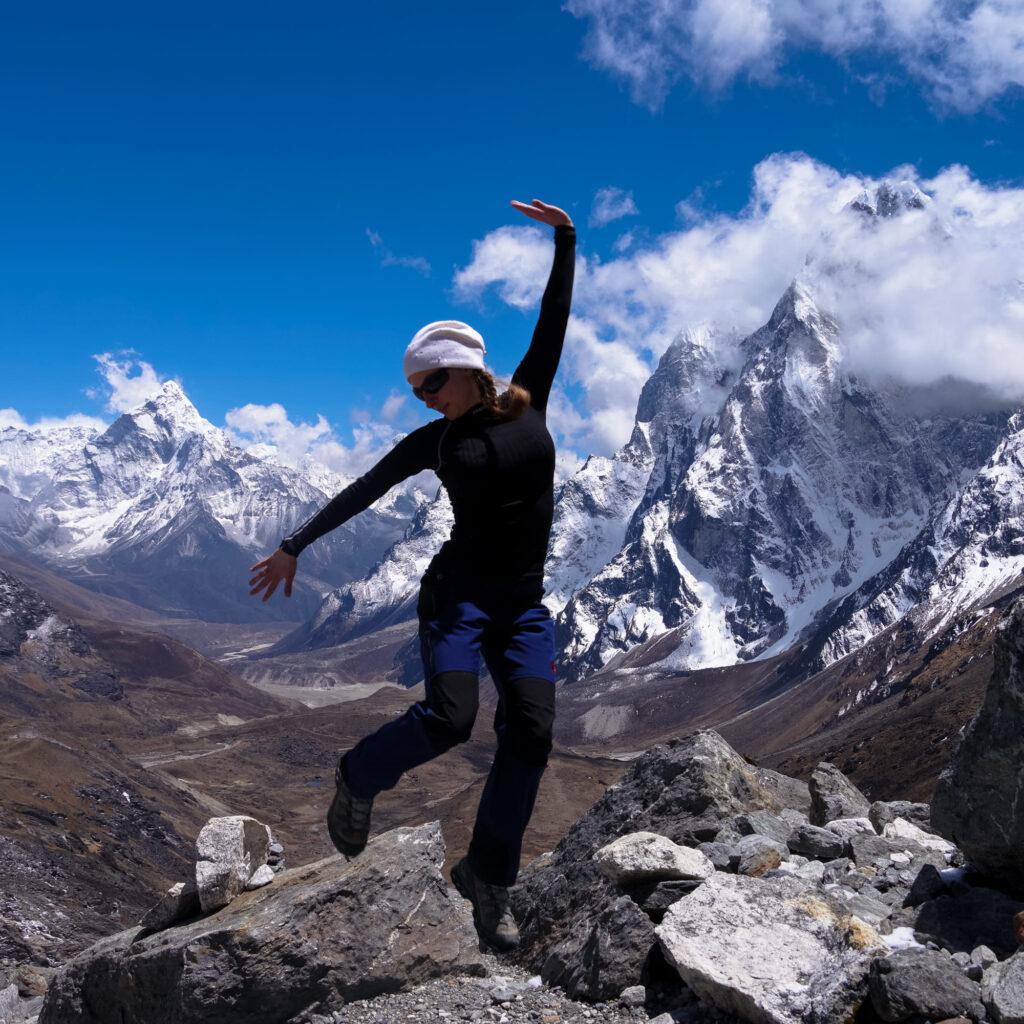
Most often, the following situation leads to hypothermia in a hike. You dress warmly, you sweat during active walking, your clothes get wet, and so far the heat does not cause much discomfort... but as soon as the sun hides behind the clouds, the wind picks up, or you go to cooler altitudes, your body begins to freeze quickly. So what to do?
First, don't wear excessive clothing and make sure your body is ventilated. Second, choose thermal clothing that quickly wicks moisture away from the body and dries quickly. Thirdly, if you feel that your first layer is too wet, change into something dry on the route. And finally, put on warm clothes in time without making your body shiver.

As for frostbite, it's a rare story during trekking. And when problems do occur, it is with the hands because of insufficiently warm gloves and with the feet because of mistakes in the selection of socks and shoes. Let's talk about this separately.
Frostbite affects the toes the most. The reason may be poor quality socks that contribute to the "greenhouse effect". Given the significant temperature differences characteristic of the Himalayas, the following problem arises: the feet get hot in the sun, socks and boots get wet from excessive sweating, but they do not have time to dry, so they freeze with a rapid decrease in temperature.
Another reason is that the shoe size is not spacious enough. When they are tight, there is no heat-saving layer of air between the body and the shoe wall, and blood circulation is impaired. What to do. Choose a shoe that is 1–1.5 sizes larger so that your toes can move freely, even when your feet are swollen and you wear warm socks. Also, change shoes depending on the location:
By the way, we have separate articles about boots for hiking in the mountains and about trekking sneakers.
For additional protection of your feet from freezing, getting wet, stones and snow getting into the boot, put hiking shoe covers (or as they are also called gaiters, gaiters, flashlights) in your backpack. We advise you to take a knee-high trekking model with a strap or cable under the sole. After all, short running shoes will not be enough in snowy places, and full climbing shoe covers will be uncomfortable and hot.

Important! Most of the tracks in Nepal are like waves, and you'll be walking up and down all the time. It's a lot of stress on your legs and especially your joints. Therefore, trekking poles are not a recommendation, but a must-have. Choose telescopic poles with an extended handle and a quick-adjust function, because you'll need to change the length frequently.
Another accessory that will make you feel better is a knee brace. It can be a kinesiotape, elastic bandage, special professional fixator, etc. The main thing is to use it preventively, without waiting for the joints to ache.
First of all, we should note that there is no cure for altitude sickness, but there are medicines that can alleviate its symptoms. In particular, at home, fill your personal first aid kit with the following medicines: painkillers, antipyretics, gastrointestinal disorders, antipyretics, as well as your "favorite" medicines and vitamins.
We hope you don't have to use all of this, because the best way to avoid falling victim to altitude sickness is to acclimatize properly. That's why our programs are designed with a smooth ascent, acclimatization walks, and overnight stays at a useful altitude. If you are worried about how your health can deteriorate, be sure to read about altitude sickness from A to Z.
...If your "mountain sickness" is not expressed in illness, but in an incurable love of majestic snow-capped peaks, then KULUAR will only open its arms and welcome you to its big family of mountain hikers!
N * E * P * A * L = Never * Ending * Peace * And * Love
