

Denali or, by its old name, Mount McKinley is a two-headed mountain in the harsh Alaska in the United States. It is a part of the Alaska Range and is located in a remote and beautiful wilderness area that attracts both climbers and outdoor enthusiasts from all over the world.
Climbing Denali is interesting because it is on the list of the Seven Summits project as the highest point in North America. But it is also a coveted achievement for many climbers because it rises above the surrounding plain by more than 5000 meters (at an altitude of 6190). For comparison: Kilimanjaro is a little more than 4000 meters higher, and Everest is less than 4000 meters. The vertical altitude gain on Everest from the usual base camp for the South Col route is 3550 m. For the Denali peak, to go all the way from the base camp on the Kahiltna glacier, you will need to gain about 3960 m (13000 ft) of altitude. So in this respect, it is even higher than Everest.
In addition to the 7 Summits program, because of the notorious weather and greater accessibility, some climbers use Denali as a training ground for climbing the 8000-meter peaks of the Himalayas and for long expeditions to the Arctic or Antarctic.

The closest major city is Anchorage, which is approximately 386 km (240 miles) south of the park entrance. There are several options for getting to Denali, depending on your location and preferences.
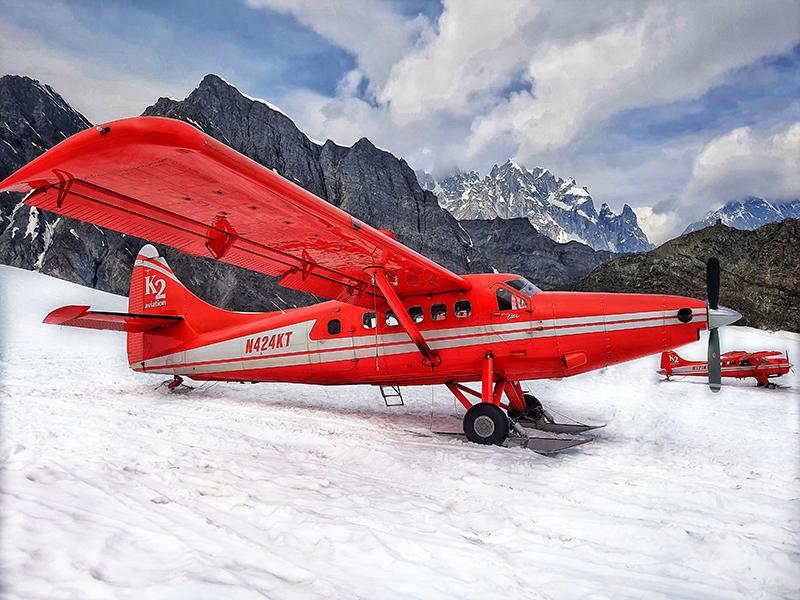
Transportation to Kahiltna Bays Base Camp: From Talkeetna, you can get to the base camp by small Cessna aircraft, which act as an air taxi and take you and your luggage (up to 56 kg per person).
Denali National Park and Preserve, which surrounds the mountain, is a vast wilderness area encompassing more than 2.5 million hectares of stunning mountainous landscapes, forests, tundra, and rivers in central Alaska. It is home to a variety of wildlife, including grizzly bears, wolves, moose, Dall sheep, caribou (reindeer), and many species of birds. Endangered species of animals such as wolverine, lynx, and peregrine falcon have also found refuge here.
The park is managed by the National Park Service and is open all year round. There are several routes for climbing Denali in the park.
The National Park Service has strict rules and regulations for climbing McKinley, including mandatory instruction and a permit system to ensure the safety of climbers and protect the park's fragile alpine environment.
McKinley is known among climbers for its unique location near the Arctic Circle and the Pacific Ocean (Gulf of Alaska) in the subarctic climate zone, which is characterized by long, cold winters and short, cool summers. The weather on the mountain can be extremely unpredictable and fierce, with temperatures ranging from -50°C to +16°C (in summer).
There is a lot of snowfall in the mountains throughout the year, with an average annual amount exceeding 10 meters at higher elevations. The snow on Mount Denali is often blown away by the wind and compacted to form hard, icy conditions that can make climbing difficult.
In addition to snow and ice, climbers on Denali also have to contend with strong winds, which can sometimes exceed 160 km per hour, as well as avalanches. The mountain is prone to sudden weather changes, and climbers should always be prepared for extreme weather conditions.
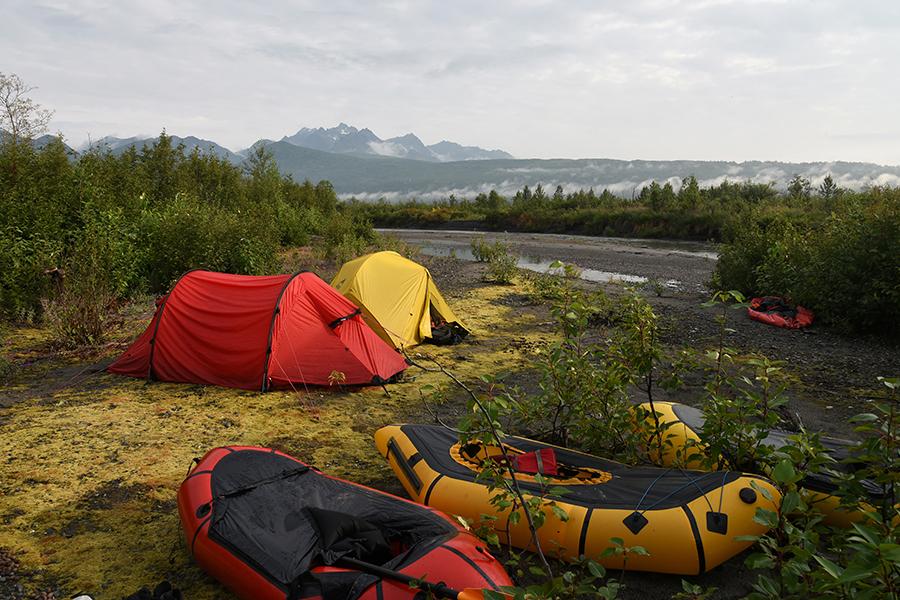
After reaching the entrance to the National Park, you can start climbing Denali on foot or on skis along the Muldrow Glacier or the Kahiltna Glacier, which provide access to the mountain (this route is available only a few months a year). However, it is better to choose the option of being dropped off by air taxi directly to the base camp.
It is important to note that climbing Denali is a serious undertaking that requires careful planning, preparation and climbing skills. We recommend you to climb with the KULUAR club, which will take care of the entire organization of the trip, obtaining permits and provide comprehensive information on training and necessary equipment.
The height of Denali's peak, 6190 meters, exceeds the altitude at which most people can function comfortably, and climbers must be acclimatized to the thin air before attempting to climb to the summit.
Climbing Denali requires advanced mountaineering skills and knowledge, including glacier travel, ice climbing and crevasse rescue. The mountain has a steep, exposed summit ridge, which requires climbers to be able to navigate difficult terrain at high altitude.
The most popular camps are located at an altitude of (approximately):
The other camps are located at 3800 m (12500 ft) and 4870 m (16000 ft), but should only be used in ideal weather conditions, as the former is vulnerable to avalanches and the latter is subject to strong winds.
Above 4300 m, snow caves or igloos are usually built as backup shelter in case of bad weather.
NPS rangers are usually located at 2200 m (7200 ft) and 4330 m (14200 ft).
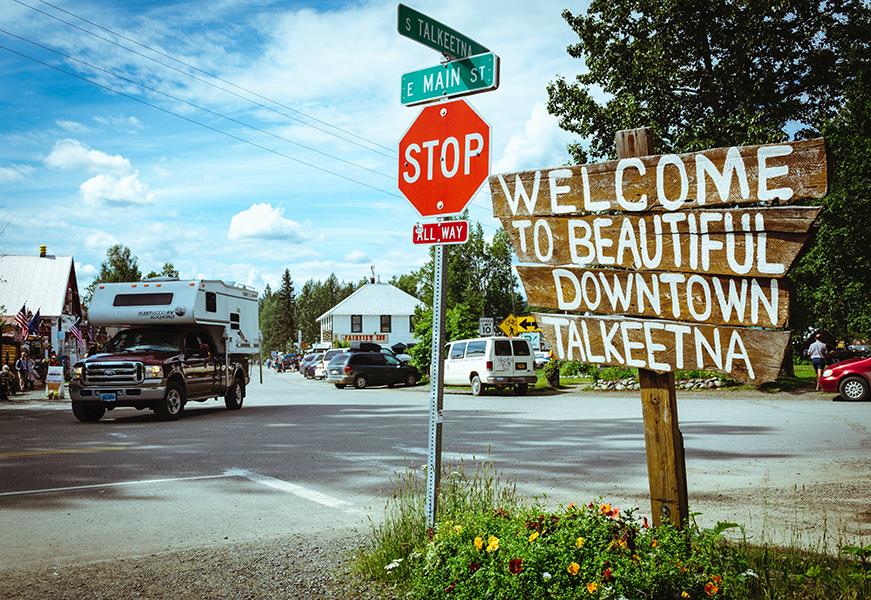
The National Park Service (NPS) manages the mountain as part of Denali National Park and Preserve, and all climbers must obtain a permit before starting the climb. You must check in at the Talkeetna Ranger Station before heading to base camp and check out when you leave the mountain.
To obtain a permit, you must apply online on the NPS website at least 60 days in advance and pay a non-refundable fee. The permit process involves filling out a comprehensive application form that asks about your climbing experience, training, and equipment, as well as your planned route and climbing schedule.
The permit fee depends on the number of climbers in your group and the duration of the climb and covers the costs of park resources and services such as climbing rangers, rescue services, and waste disposal.
It is important to note that the NPS has strict rules and regulations aimed at protecting the mountain and its fragile environment, and climbers must always comply with these rules. Violations can result in fines, revocation of climbing permits, and in some cases even criminal prosecution.
Please note that human waste from the lower part of the mountain (any altitude below 4300 m) must be taken off the mountain in a special container (CMC bag) when the climbing team leaves the base camp.
The climbing season in Denali is relatively short, usually from mid-May to mid-July, when the weather is most stable and the days are longest. The peculiarity of the early season (from the first week of May to the middle of it) is the small number of people and cracks, but the camps have not yet been established, so you will have to do it yourself. After mid-June, climbing is not recommended due to rain at lower altitudes and an increased risk of avalanches.
Denali has not one, but two peaks – the southern and northern ones. The former is the highest, while the latter rises to 5934 meters. Sometimes it is considered a separate peak, and sometimes not. It is rarely climbed, except for those climbers who take routes on the northern side of the massif.
The final ascent to the summit involves a steep climb up a rocky ridge, followed by a traverse through a narrow snow ridge known as the Denali Knife Edge.
From the top of the mountain, climbers can enjoy stunning panoramic views of the surrounding Alaska Range, including other high peaks such as Mount Foraker and Mount Hunter. On clear days, the view from the summit extends for miles in all directions, offering a breathtaking glimpse of Alaska's wildlife.
Five large glaciers flow down the mountain's slopes:
The latter is 71 km long and is the longest glacier in the Alaska Range.

The West Buttress is a relatively accessible and easy route that takes climbers up the west side of Mount Denali, starting from the base camp on the Kahiltna Glacier.
The route is approximately 20 km (13 miles) long with a vertical gain of about 4000 m (13,500 ft).
Between the base camp and the elevation of 3350 m (11,000 ft), the route is relatively flat, and the main danger is falling into a crevasse. Above this line, the route has slopes of 35–45 degrees, which alternate with flat benches and bowls.
Expeditions to West Buttress last about 17 days on average, but climbers should take supplies for at least 3 weeks. If you do not fit into the 56 kg that an air taxi can deliver for you, equipment and supplies can be transported to the base camp by sled. In the camp, you should leave a supply of food and fuel for 2–3 days in case the weather does not allow the planes to land on the glacier. You should also allow extra time for acclimatization before the climb.
The West Buttress route has several landmarks, including the steep and exposed Headwall Windy Corner, a section of the route known for strong winds; Denali Pass, a narrow and exposed saddle near the summit. The route is also known for its numerous cracks and seracs (large ice formations), which can be difficult to navigate.
Despite its difficulties, the West Face remains a popular and accessible route for climbers of all skill levels, and it offers some of the most breathtaking views and experiences of any climbing route in the world.
You can climb Denali by other routes (in fact, there are more than 30 of them). Here are the most famous of them:
The second most popular route on Denali, considered one of the most difficult. The route begins on the north side of the mountain, and climbers have to overcome steep and icy terrain, as well as several fields of cracks.
This is one of the most difficult and technical routes on Denali and is usually attempted only by experienced climbers. The route runs along a steep ridge on the southern slope of the mountain and includes technical ice and rock climbing, as well as some of the most exposed and challenging sections on the mountain.
The West Rib is a challenging and technical route that runs along a prominent rib on the west side of Denali Mountain. The route is characterized by steep climbing on snow and ice, as well as several rocks that require technical climbing skills.
The route to climb Denali is less known and more remote. It is usually attempted only by experienced climbers. The route passes through the Harper Glacier on the southern slope of the mountain and includes technical climbing on ice and rocks, as well as difficult navigation through crack fields.
All in all, Denali offers a wide variety of climbing routes that cater to climbers of all skill levels and interests. Whether you're looking for a challenging and technical climb or a more accessible and easy route, Denali has something to offer everyone.
There are several funny stories and legends associated with Denali National Park and Reserve.
According to folklore, a man once lived at the foot of the mountain who was known for his love of cold weather and his tendency to wear only shorts, even in the coldest winter months. It is said that visitors can sometimes spot someone dressed as Iggy Igly wandering around the park.
The national park has a strict human waste policy that means climbers and hikers must take all their waste with them. To help promote this policy, rangers at the park's base camp began building a "poo pyramid" out of waste bags left behind by climbers. The pyramid became a popular and humorous attraction in the park until it was dismantled in 2012.
If you are interested in climbing Denali – KULUAR consultants will be happy to answer all your questions and help you organize the expedition.
Author – Anastasia Domanova