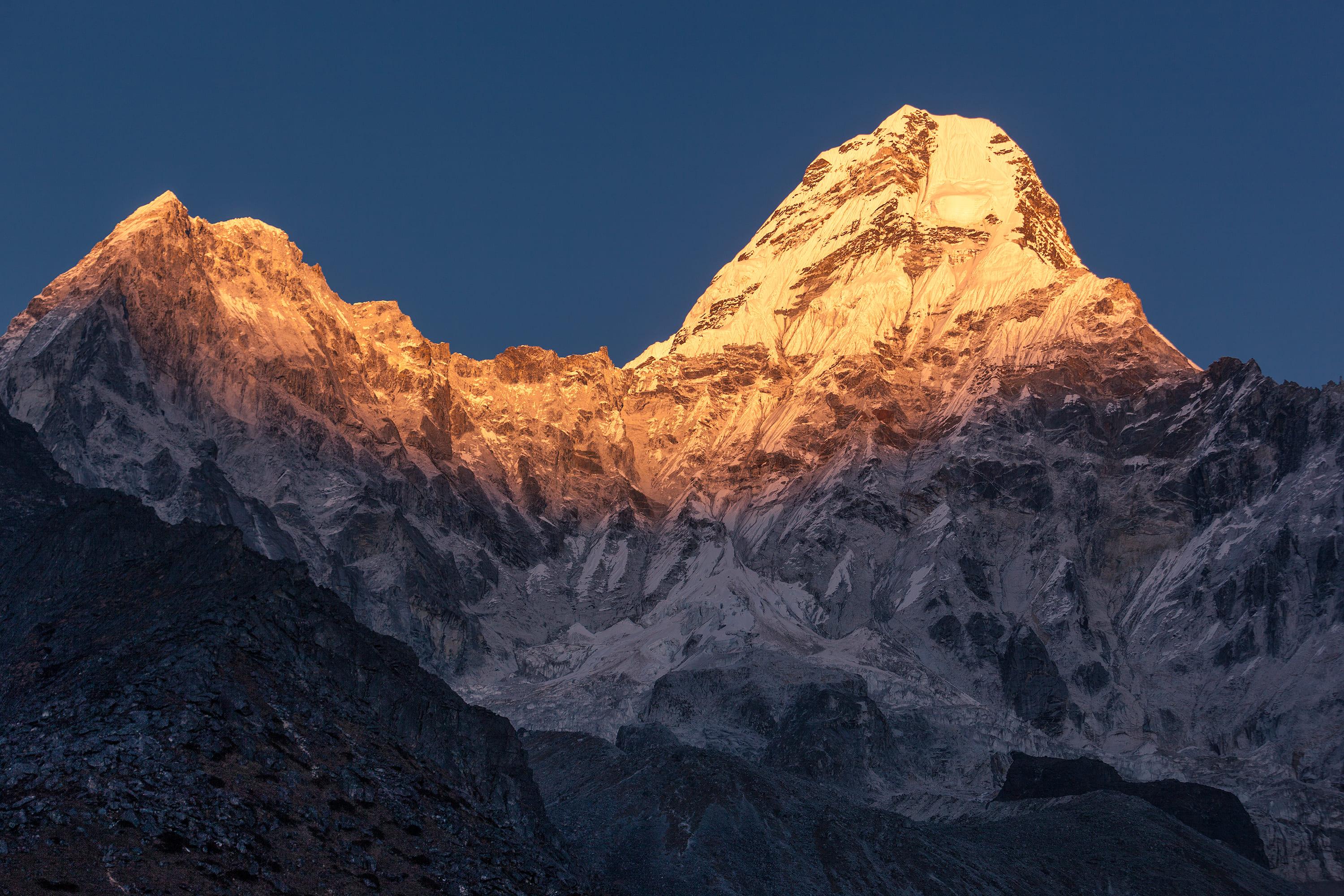
How do you know which peaks are the most difficult to climb? Firstly, this will be indicated by the category of difficulty of the climbing route, where 1/I is the easiest, and 6B/VII is the most difficult. This term does not take into account such subjective parameters as a person's physical fitness and climbing experience. The degree of difficulty of a route is influenced by objective factors, such as altitude, duration of approach and ascent, obstacles on the route, the need to use special equipment and risks associated with weather conditions (the possibility of avalanches or snow slides)...
Thus, the overall rating of the most difficult mountains to climb is mostly occupied by 8,000 meters. These are the peaks, K2, Annapurna, Nanga Parbat and others, known for their steep slopes and unpredictability. You can read where they are located and why they are attractive in the article "14 highest peaks of the Planet". And also, in the wake of interest in eight-thousanders, read the materials about Nepal, where you will find out which of them you can touch, even without high-altitude experience.
Interesting fact: Everest is the highest and most famous mountain in the world, but it is not among the three most difficult and dangerous 😉
Of course, it should be borne in mind that several routes can lead to one peak, of which the easiest is often called the "classic" route, and the rest will be much harder. At the same time, the same route has different difficulty at different times of the year. For example, the conditions for climbing Everest in summer are more favorable, while in winter it will be much more difficult due to snow-covered slopes and glaciers, as well as significant weather changes.
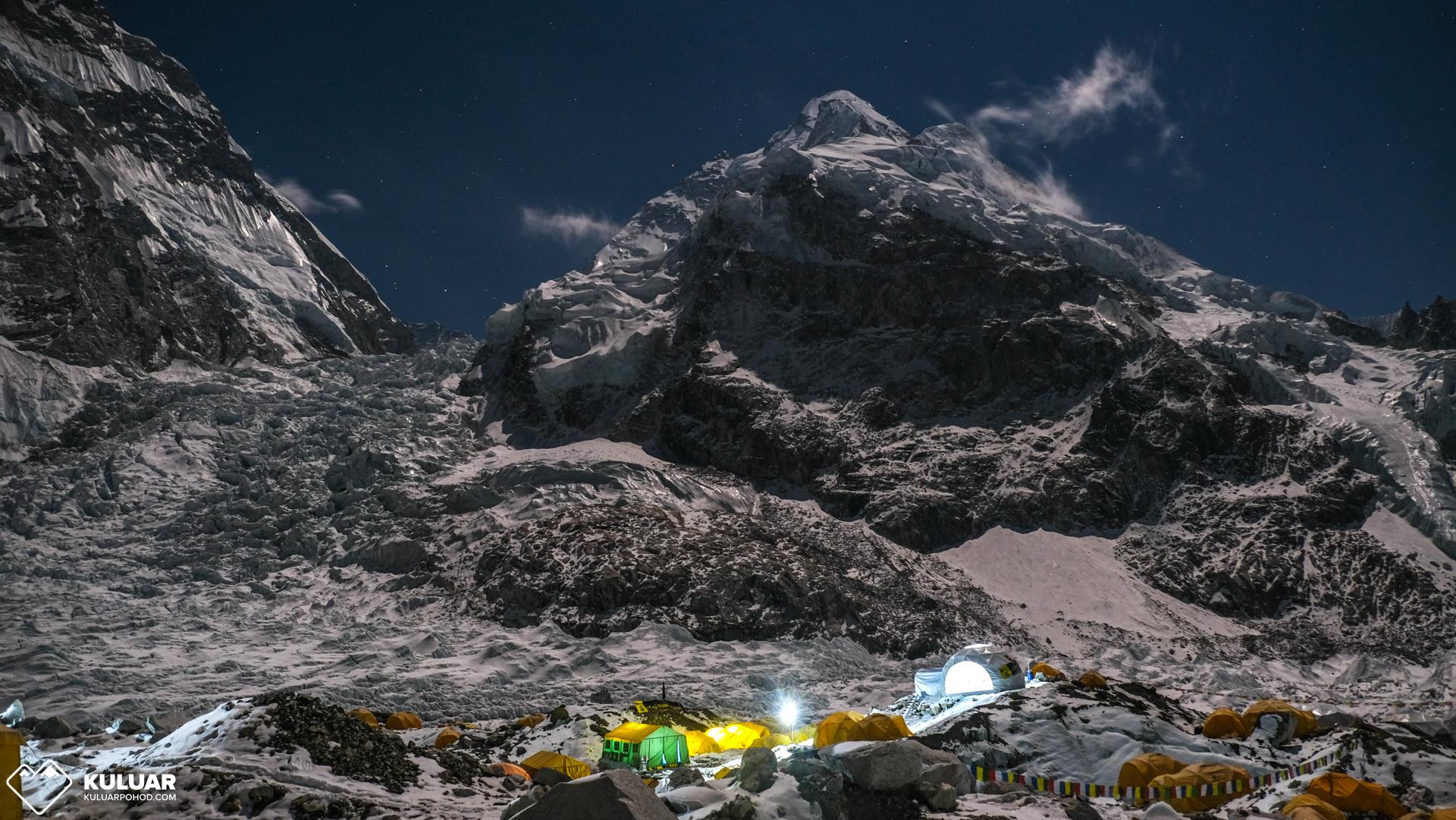
Let's take a closer look at the most difficult peaks to climb.
According to accident statistics, the most "deadly" mountains are in Asia. We took data for Nepalese peaks from the Himalayan Database, and for Pakistani peaks from Alan Arnette. But the statistics change from year to year, so the championship in the ranking of the most dangerous mountains can change. However, the top three have been the same for many years:
On these eight-thousanders, the death rate is over 19% (the ratio of deaths to those who have climbed to the top). For more information, see the article "The World's Most Dangerous Peaks".
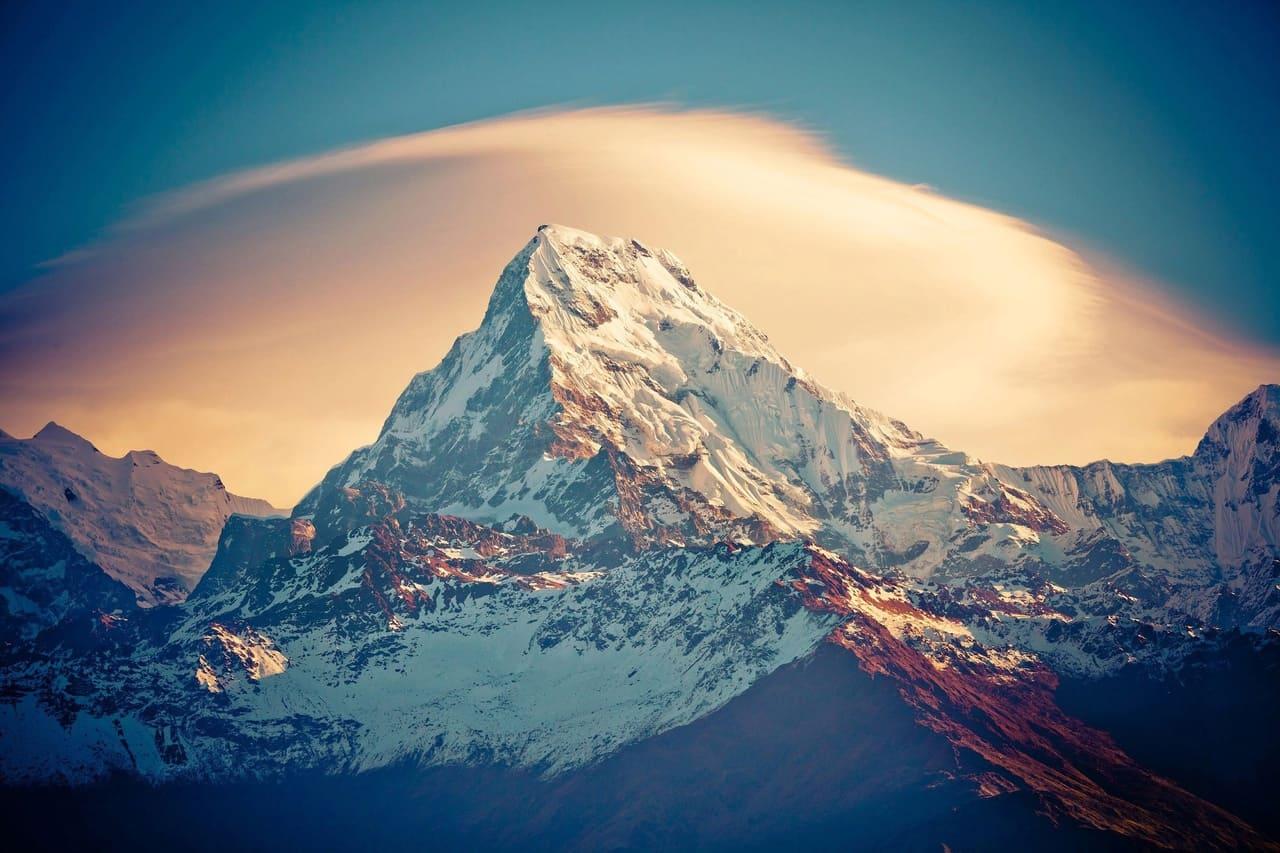
Location: Himalayas, Nepal.
Absolute height in meters: 8091 м.
What makes it difficult: Technically challenging, avalanche-prone and unpredictable weather southern slope. Snow storms and rock falls are common here. It is also worth considering hypoxia, which leads to complications that can be fatal. As of 2022, only 365 climbs were made to the summit, and 72 climbs resulted in fatalities.
Interesting facts: About two-thirds of all travelers in Nepal go to visit the Annapurna massif. The hiking trails around the mountain and to the base camp offer incredibly diverse views, unique cultural exposure, and mountain experience.
How much does it cost to climb Annapurna with KULUAR: from $19000, more details in the description of the route to Annapurna.
Location: Karakoram mountain system on the border of Pakistan and China.
Absolute height above sea level: 8611 m.
What makes it difficult: The second-highest mountain in the world after Mount Everest, known as the "Wild Mountain", "Mountain of Death". K2 is characterized by steep slopes, unpredictable weather (heavy snowfalls, avalanches) and a high mortality rate among climbers.
Interesting facts: Also called the "Killer Mountain," Chogori was for a long time the only eight-thousander that had never been climbed in winter. The first winter ascent was made on 16 January 2021 by a team of 10 Nepali climbers; all earlier attempts, including several in 2019, ended in failure.
How much is the price of climbing Chogori (K2) with KULUAR: from $35000, details in the description of the route to K2.
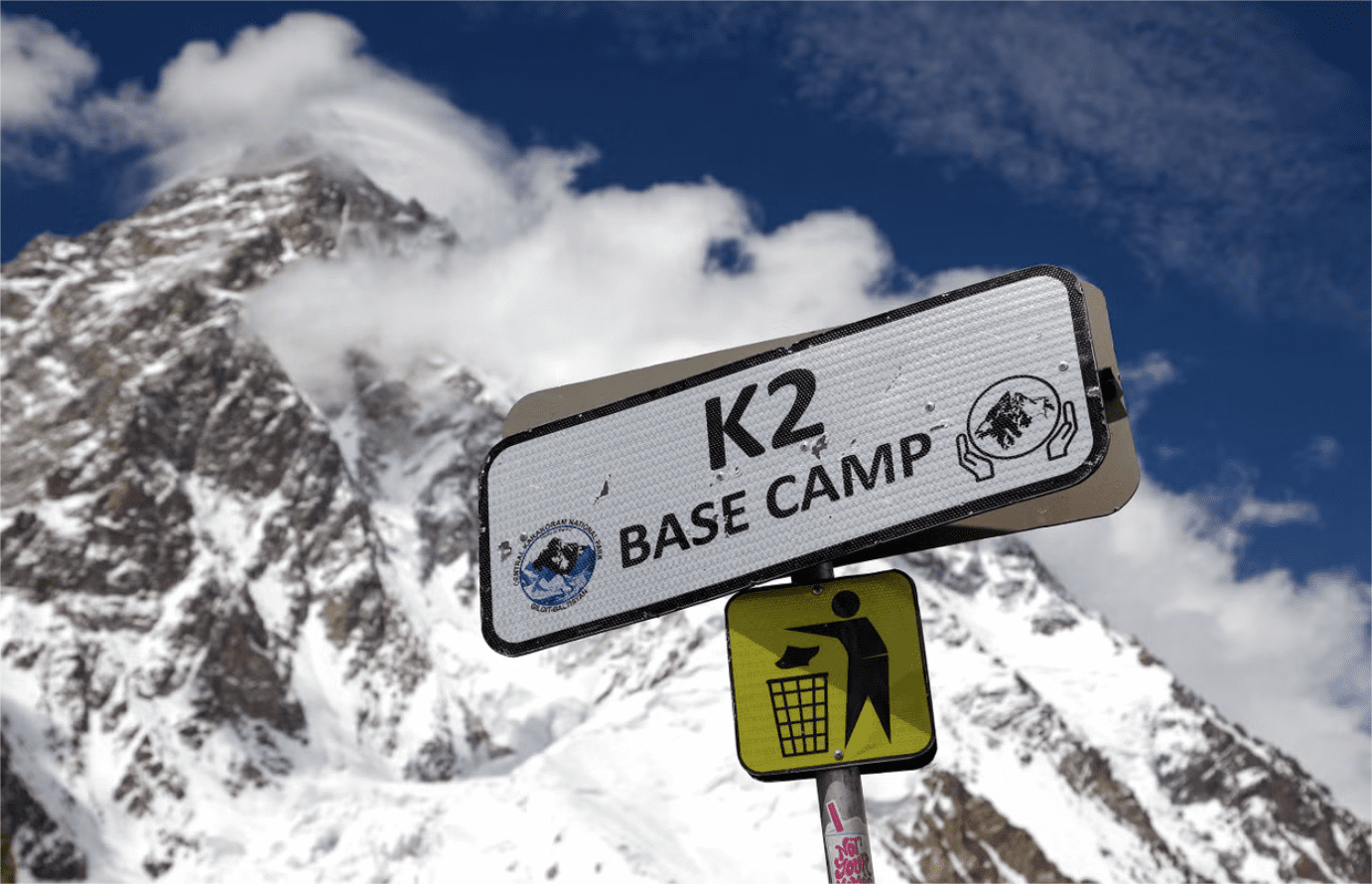
Location: Himalayas, Pakistan.
Absolute height above sea level: 8125 m.
What makes it difficult: Steep terrain, harsh weather and avalanches. The "killer mountain" is famous for its extreme temperatures and strong winds.
Interesting facts: The name Nanga Parbat comes from the Sanskrit words "nagna" and "parvata", which together form the phrase "Naked Mountain". In Pakistan, the peak is better known by the Tibetan name Diamer or Deo Mir, which means "Huge Mountain" or, in another interpretation, "Mountain of the Gods" or "King of the Mountains". Due to its high mortality rate, climbers call it the "Killer in the Cardamom" and the "Unattainable Dream".
What is the price of climbing Nanga Parbat with KULUAR: from $16500, more details in the description of the route to Nanga Parbat.
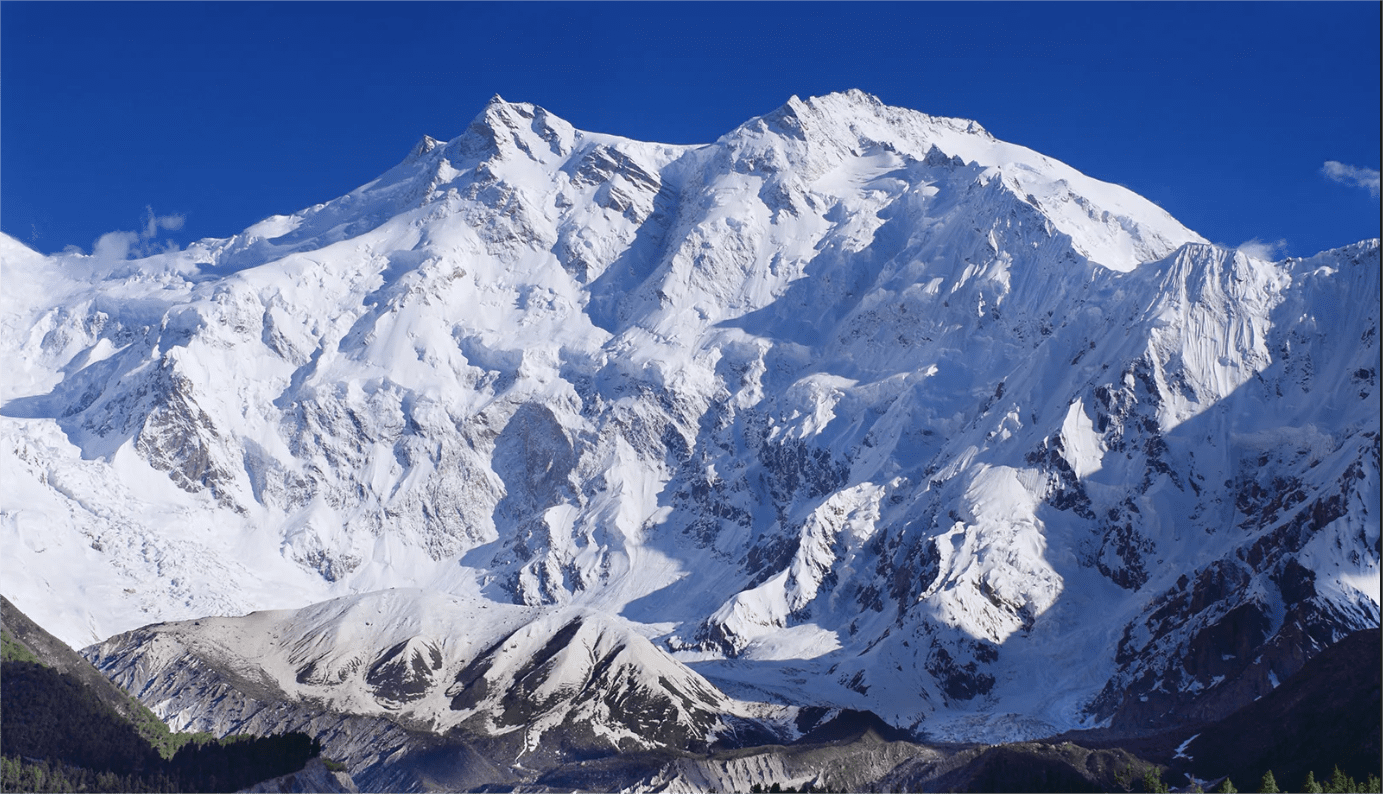
Of course, the list does not end there. From the most dangerous ones, we move on to less deadly but no less challenging climbing routes. And the majestic Everest takes the lead.
Location: Himalayas, border of Nepal and Tibet.
Absolute height above sea level: 8848 m.
What makes it difficult: Being the highest on the planet, the difficulty of climbing it depends on the so-called "Death Zone". At 8,000 meters, the air is dangerously thin, so climbers begin to experience hallucinations, temporarily lose their eyesight, and become exhausted. At the top of Everest, the oxygen concentration is 40% less than at sea level. And when the oxygen concentration in the blood drops sharply, the first thing that happens is that the heart rate increases - it reaches 140 beats per minute. In this state, the risk of a heart attack increases many times over.

Interesting facts: Not only the highest mountain, but also the highest toilet in the world. Yes, it is located here at an altitude of 6387 meters.
Jomolungma is growing. Every year its height increases by 4 mm. This is caused by tectonic activity.
How much is the price of climbing Jomolungma with KULUAR: from $57000, more details in the description of the route Everest.
Location: Alaska, USA.
Absolute height above sea level: 6190 meters.
What makes it difficult: Mount Denali (formerly known as McKinley) is characterized by severe frosts. Automatic weather stations at an altitude of 5300 meters recorded temperatures down to -50°C.
In addition, there is an increased risk of altitude sickness for climbers due to the high latitude.
Interesting facts: The peak was named in honor of American President William McKinley. However, in 2015, the US government returned to using the historical name Denali.
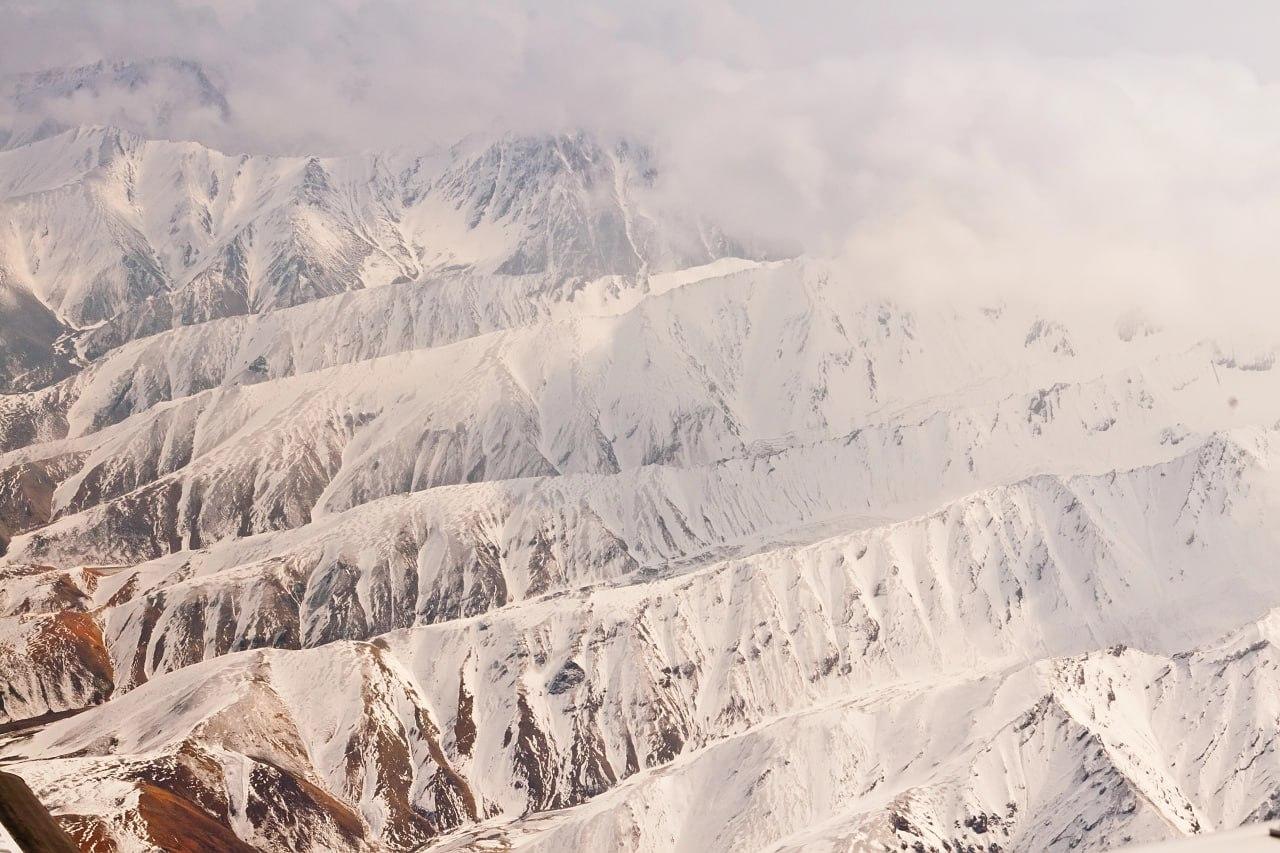
Location: Karakoram Range, Pakistan.
Absolute height above sea level: 7285 m.
What makes it difficult: Due to the steep slopes with variable terrain, deadly ice falls and large ice deposits, Bantu Brakk is considered one of the most difficult to climb among the 7000 meters. The southeastern Ogre ridge is one of the most dangerous routes on the mountain. It is characterized by difficult technical obstacles such as vertical walls, collapses and cracks.
Interesting fact: The first successful ascent to the top took place only in 1977. The second one was made only 24 years later, in 2001, when the expedition finally managed to climb the peak.
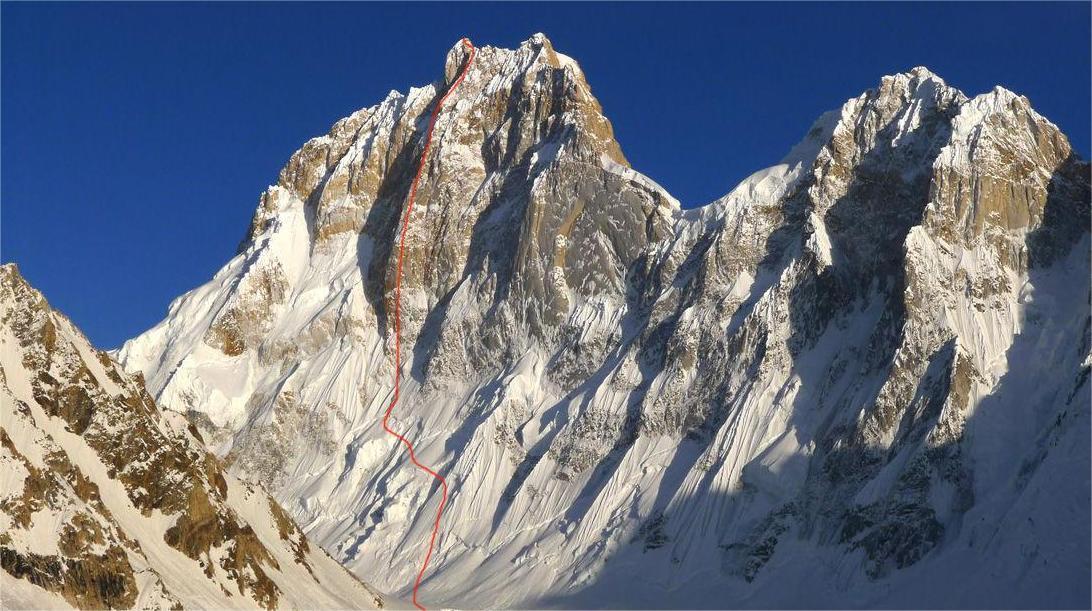
Location: Himalayas, border of Nepal and India.
Absolute height above sea level: 8586 m.
What makes it difficult: Harsh weather, difficult terrain and avalanche-prone slopes. The remote location adds to the logistical difficulties of climbing.
Interesting facts: According to local legend, Kanchenjunga is the embodiment of a female deity who does not allow women to come near her. Indeed, until 1998, only one woman (British climber Janet Harrison) managed to successfully climb to the top.
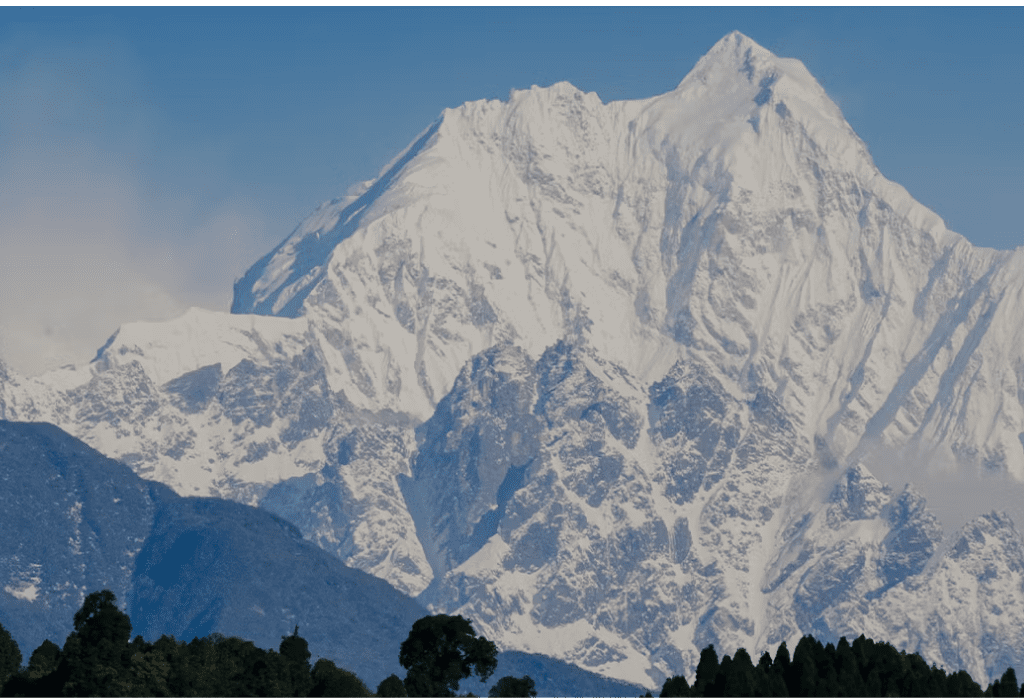
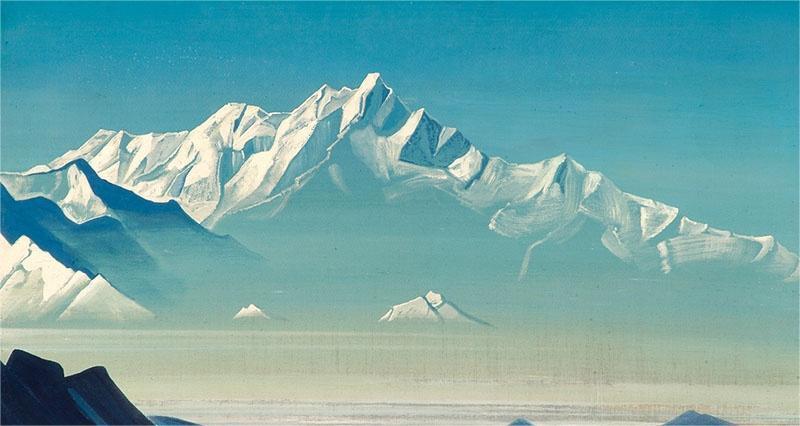
Mount Kanchenjunga, with its majesty and mystical contours, has always attracted the attention of creative people, including the prominent artist and explorer Nicholas Roerich. For him, Kanchenjunga symbolized not only natural grandeur, but also spiritual power and a deep connection with cosmic forces. He considered the mountain not only an object for painting, but also a source of inspiration and spiritual improvement.
How much does Kanchenjunga climb with KULUAR cost: from $16500, more details in the description of the route on Kanchenjunga.
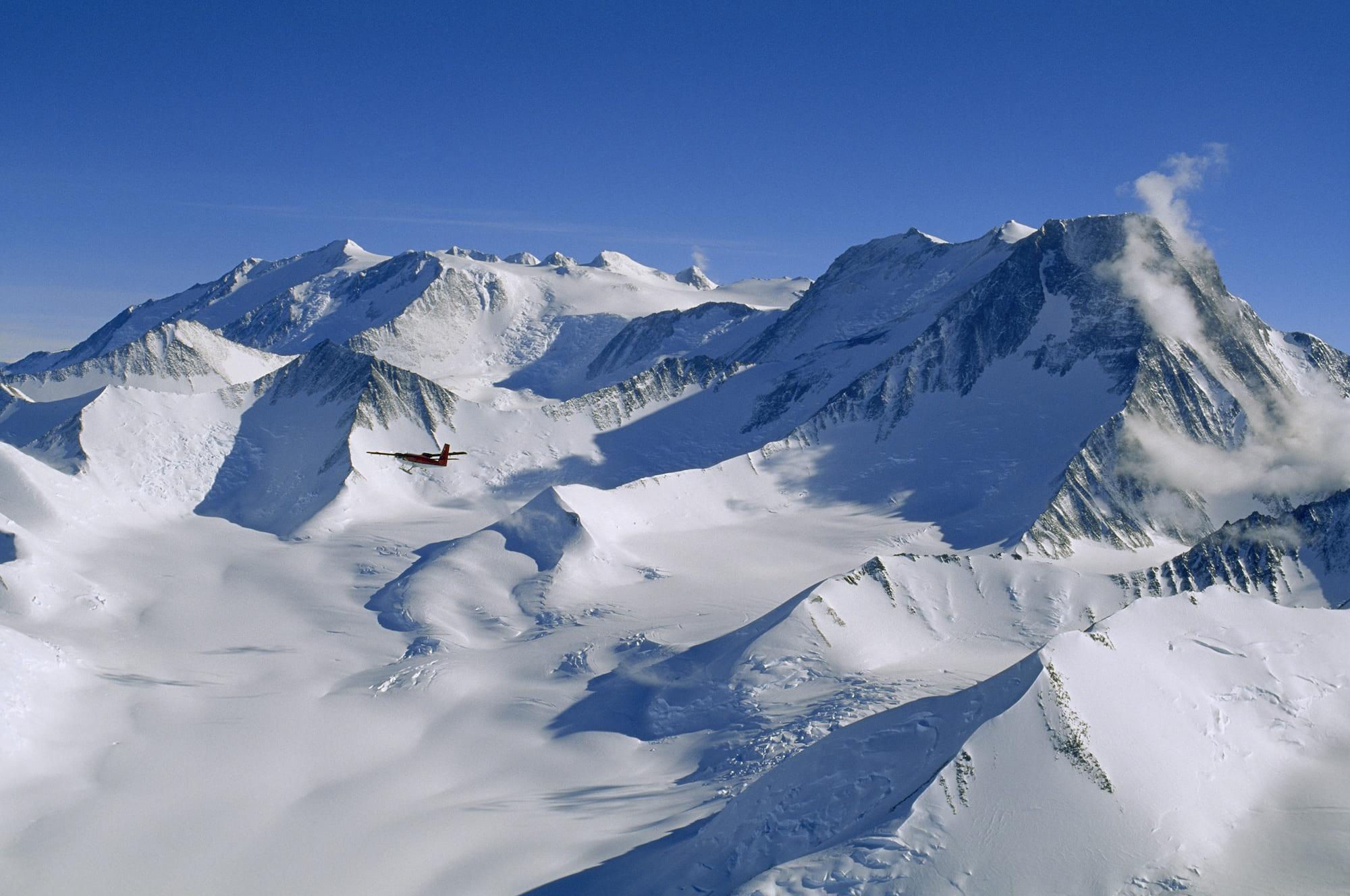
Location: Vinson Massif, Antarctica.
Absolute height above sea level: 4892 m.
What makes it difficult: The main challenge is the logistics associated with accessing this remote and icy continent and its cost. There are also extreme weather conditions with icefalls and strong winds.
Interesting fact: Vinson Peak is located in the coldest continental region of the world, where temperatures can drop to -60°C (-76°F) in winter.
How much does a trekking to Vinson Peak with KULUAR cost: from $46500, more details in the description of the route to Vinson Massif.
Location: Himalayas, border of Nepal and Tibet.
Absolute height above sea level: 8485 m.
What makes it difficult: The steep pyramidal shape, difficult weather conditions (ice slopes, avalanches, low temperatures) and high altitude make climbing it very difficult.
Interesting facts: The name Black Mountain was given because of its large rocky pyramidal peak, which, when in the shade of the sun, against the background of neighboring snowy peaks, looks like a black giant.
Other names of the mountain: Makaru (the current official name of the mountain in Chinese) or Makalungma in Limbu.
What is the price of climbing Makalu with KULUAR: from $16500, more details in the description of the route to Makalu.

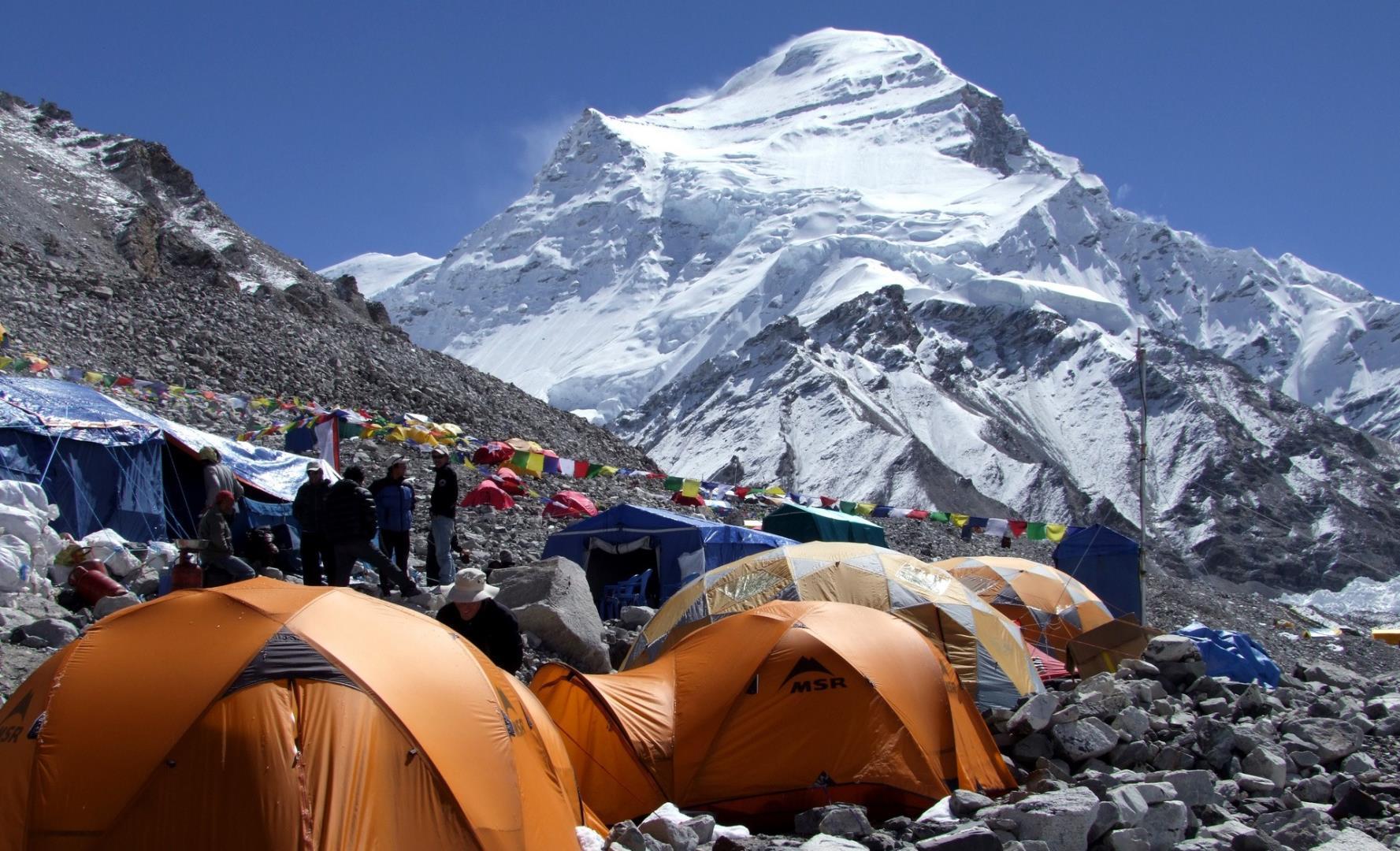
Location: Himalayas, Nepal-China border.
Absolute height above sea level: 8188 m.
What makes it difficult: The altitude, harsh weather conditions and icy slopes. Climbers will have to pass through gorges, steep slopes and ice sections, which requires technical skills.
Interesting facts: For Tibetans, this peak is a holy place, they call it the "Turquoise Goddess". The peak is an object of worship and unites religious rites and traditions.
How much does a climbing to Cho Oyu with KULUAR cost: from $27500, more details in the description of the route to Cho Oyu.
Location: Himalayas, Nepal.
Absolute height above sea level: 8167 m.
What makes it difficult: The technical complexity of climbing Dhaulagiri is very difficult and exceeds most other eight-thousanders. The expedition participants will have to travel over difficult terrain, strong winds and the risk of avalanches.
Interesting facts: In Nepali, "giri" means "mountain". The first part of the name is translated as "white" or "shiny". The name accurately conveys the first impression of the snow-capped peak. Climbers often call it simply "Dhau".
How much does it cost to climb Dhaulagiri with KULUAR: from $16500, more details in the description of the route to Dhaulagiri.
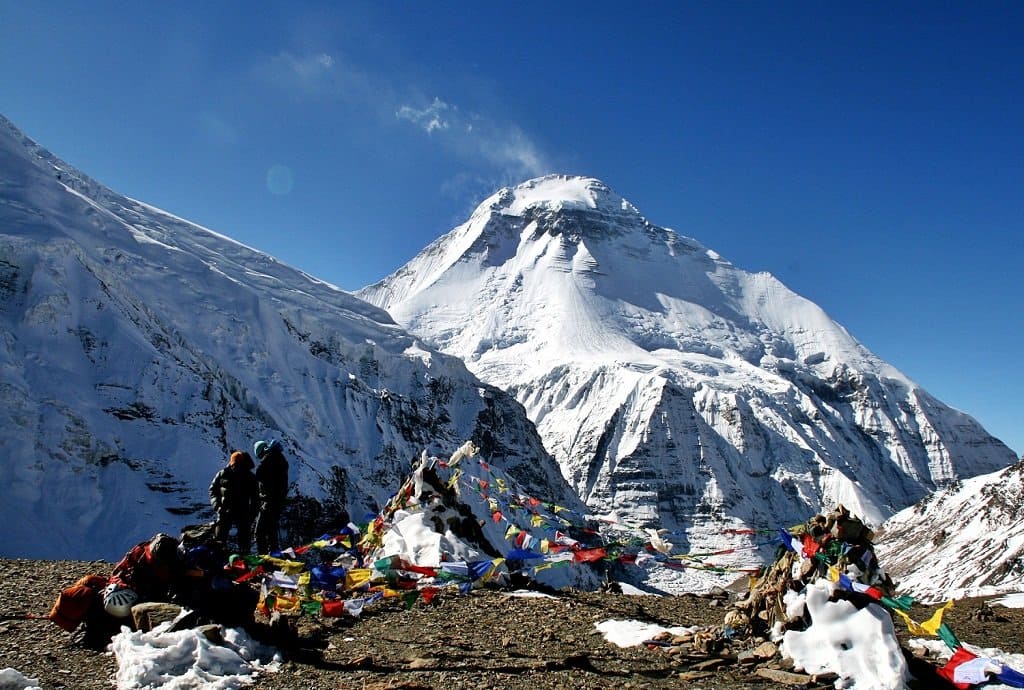
Location: Himalayas, border of Nepal and Tibet.
Absolute height above sea level: 8516 m.
What makes it difficult: Lhotse is located next to Everest and has similar challenges. The difficulty of the climb includes extreme altitude, difficult weather conditions, and the danger of the "Death Zone".
Interesting facts: The youngest climber to climb Lhotse was only 18 years old. He was an athlete from India. The oldest at that time was 79 years old, a Japanese man named Matsumoto.
How much does it cost to climb Lhotse with KULUAR: from $23500, more details in the description of the route to Lhotse.
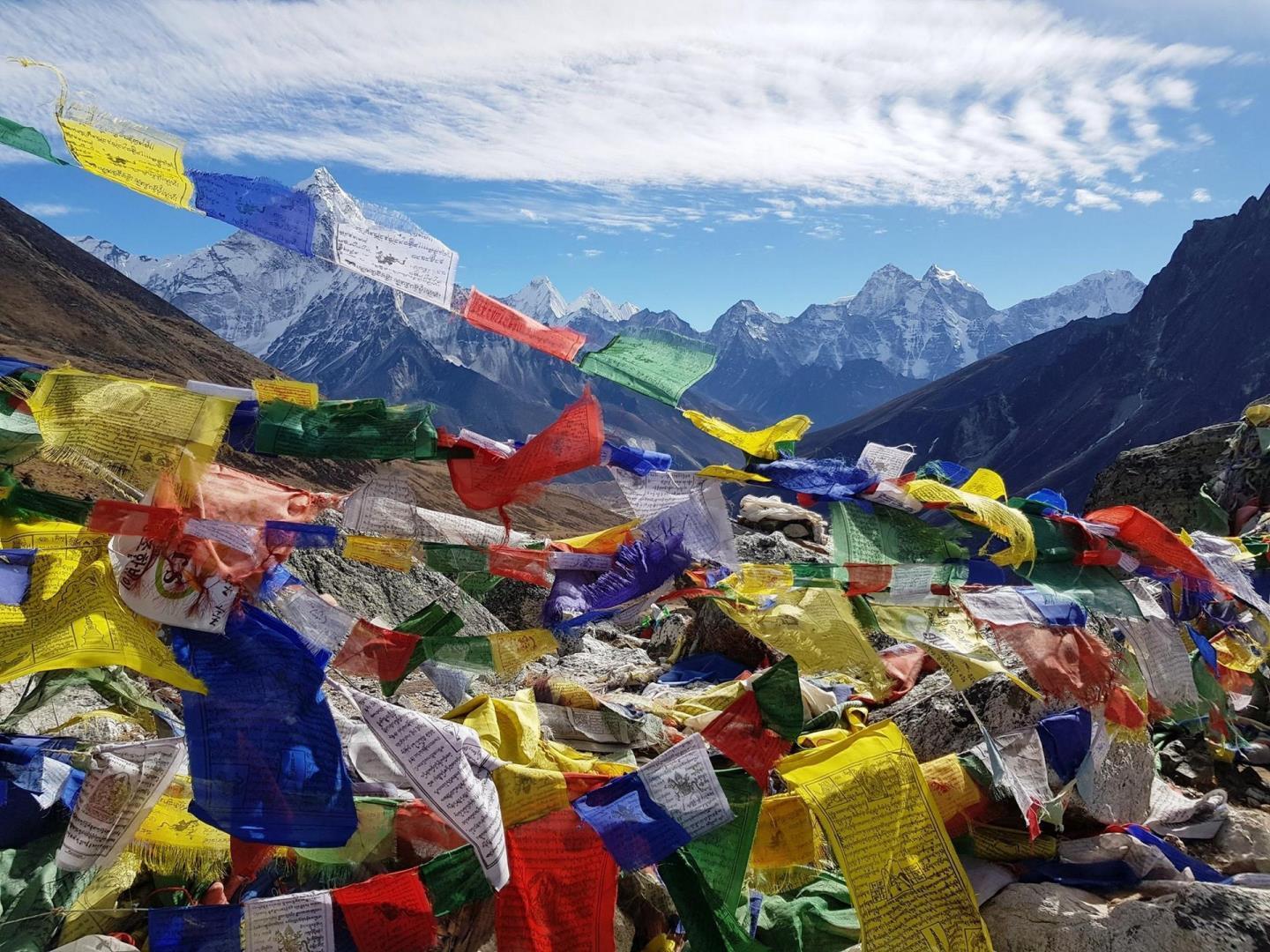
Location: Tien Shan, border between Kyrgyzstan and China
Absolute height above sea level: 7439 m.
What makes it difficult: Constant bad weather, strong winds on the ridge and snowfall often witness tragic events here. The highest peak of the Tien Shan mountain system frightened the first conquerors with powerful avalanches. Storms on Victory Peak are also a common occurrence. And the many steep slopes and northern location make themselves felt very quickly. The snow here masks huge cracks, which can be fatal if you fall into them.
Interesting facts: The official Chinese name is Tomor Peak, and the Kyrgyz name is Jenysh Chokusu.
The absence of the sun in the sky on Victory Peak is normal, even in the summer months it can appear for only 15 minutes. At night, temperatures drop sharply to -30°C.
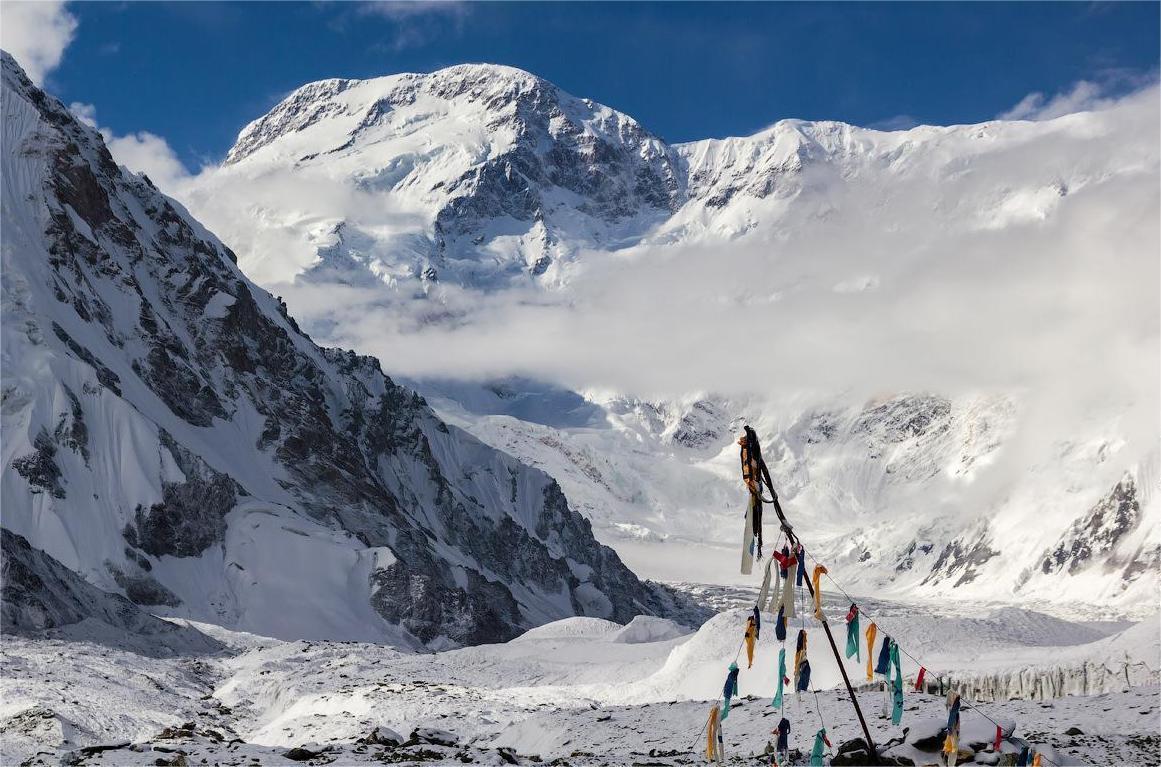
Location: Himalayas, Nepal.
Absolute height above sea level: 7555 m.
What makes it difficult: A huge height difference - a vertical rise of 2800 meters. The relief form of Annapurna III wall has many difficulties - from waterfall ice and rock mix to icefall and deep snow.
Interesting facts: On November 6, 2021, Ukrainian climbers (Mykhailo Fomin, Mykyta Balabanov, Viacheslav Polezhayko) managed to climb Annapurna III along the southeastern ridge. Until that date, this particular ascent was one of the last unrealized plans of Himalayan mountaineering.
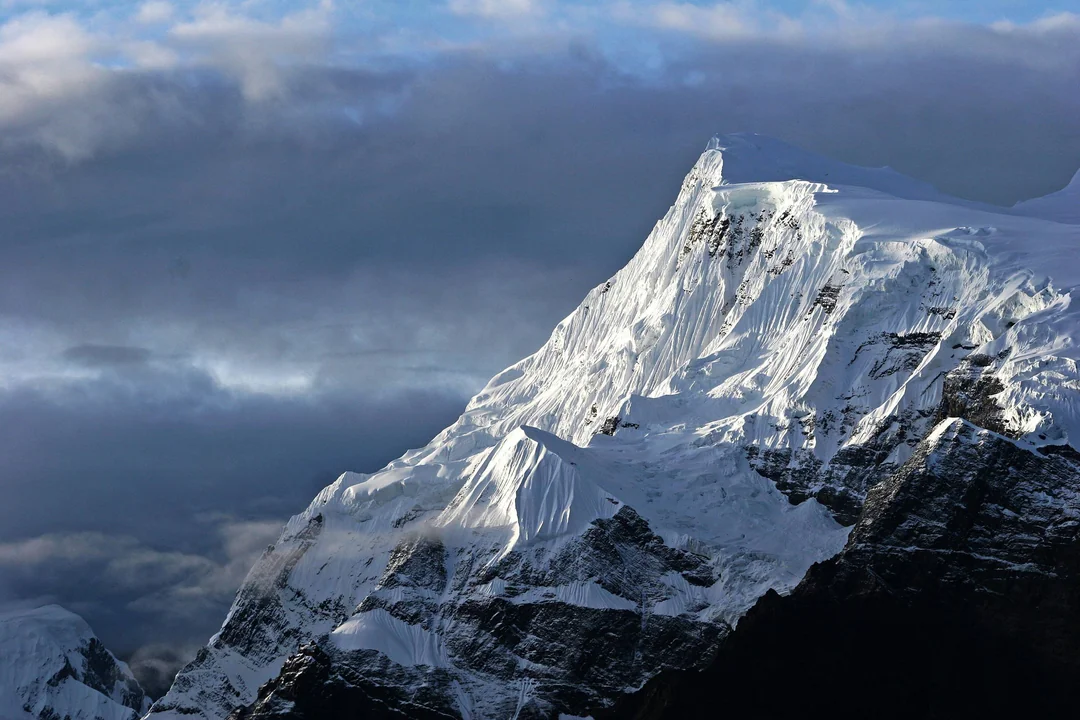
Location: Himalayas, Nepal.
Absolute height above sea level: 8163 m.
What makes it difficult: Avalanche hazards, steep slopes, high-altitude risks, mixed terrain.
Interesting facts: The name of the eighth highest peak in the world, Manaslu, comes from the Sanskrit word Manasa ("spirit, soul"). Another name is also known - Kutang.
What is the price of climbing Manaslu with KULUAR: from $15500, more details in the description of the route to Manaslu.
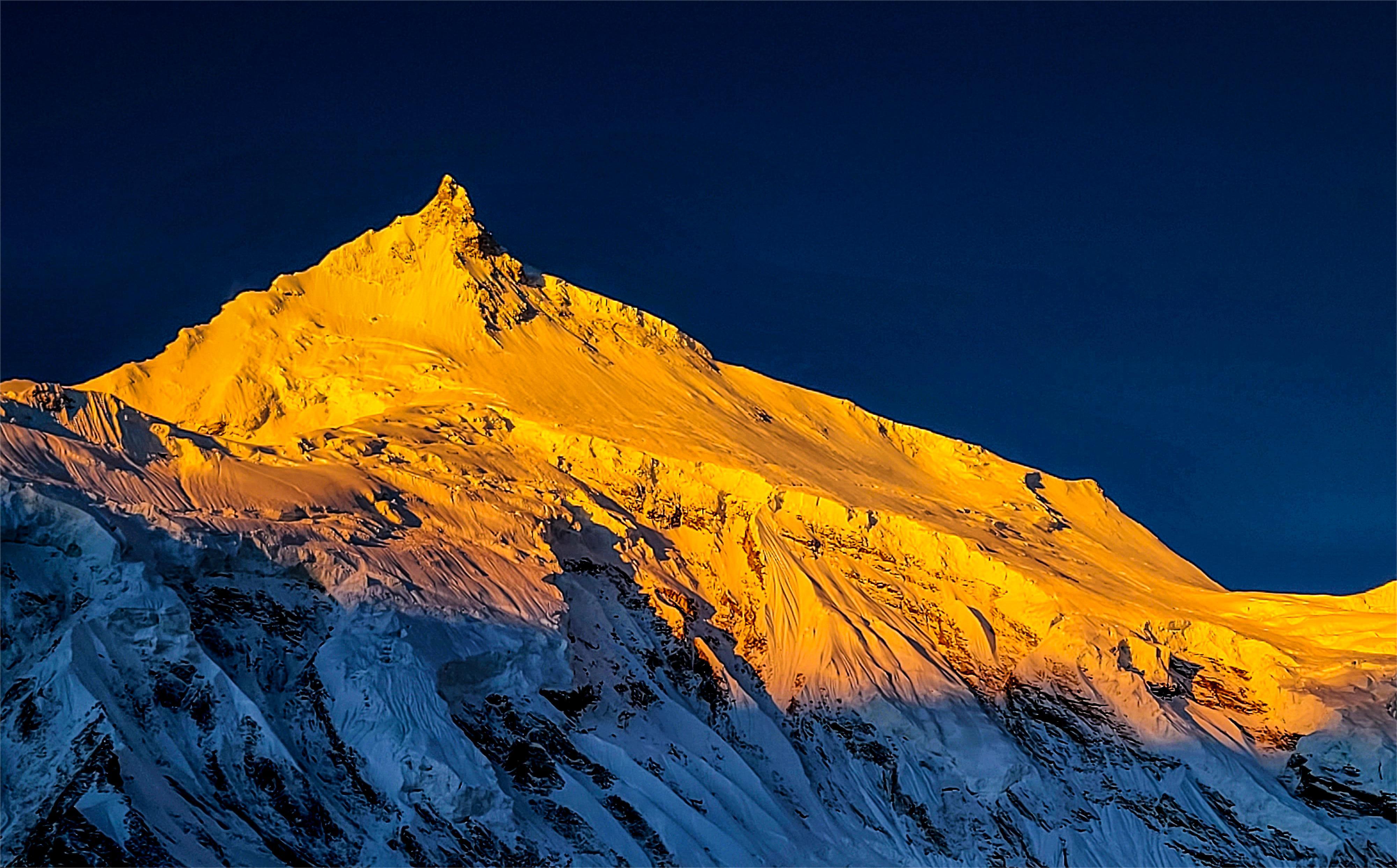
Location: Himalayas, Nepal.
Absolute height above sea level: 7161 m.
What makes it difficult: The weather in the Himalayas is unpredictable and changes quickly. Climbers can face strong winds, snowfalls, blizzards and fog, which makes climbing dangerous and unpredictable.
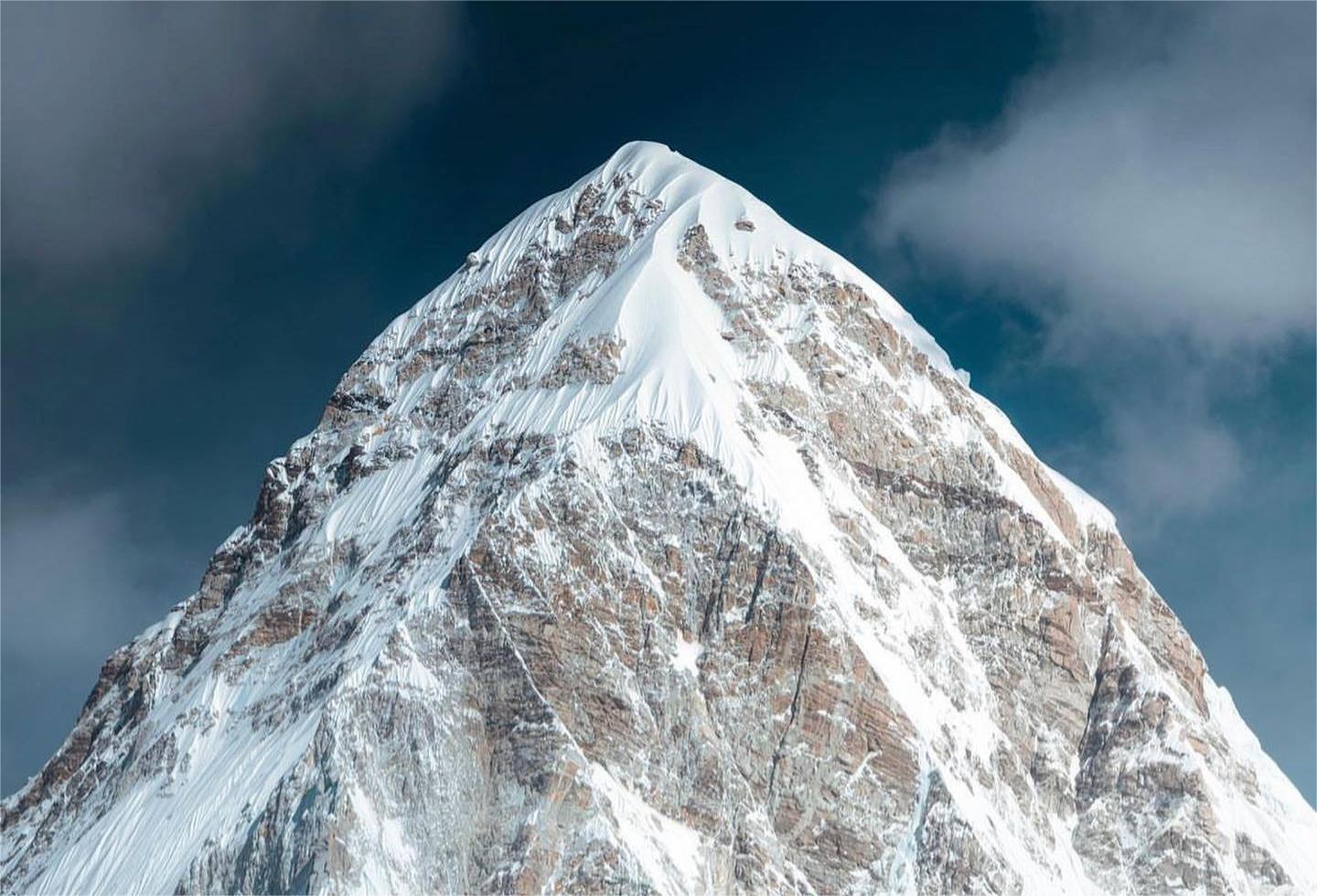
Interesting facts: Pumori means "unmarried daughter" in Sherpa language. This name gives it even more symbolism and individuality among the mountain peaks, and climbers often call it the "daughter of Everest".
Location: Himalayas, Nepal.
Absolute height above sea level: 6189 m.
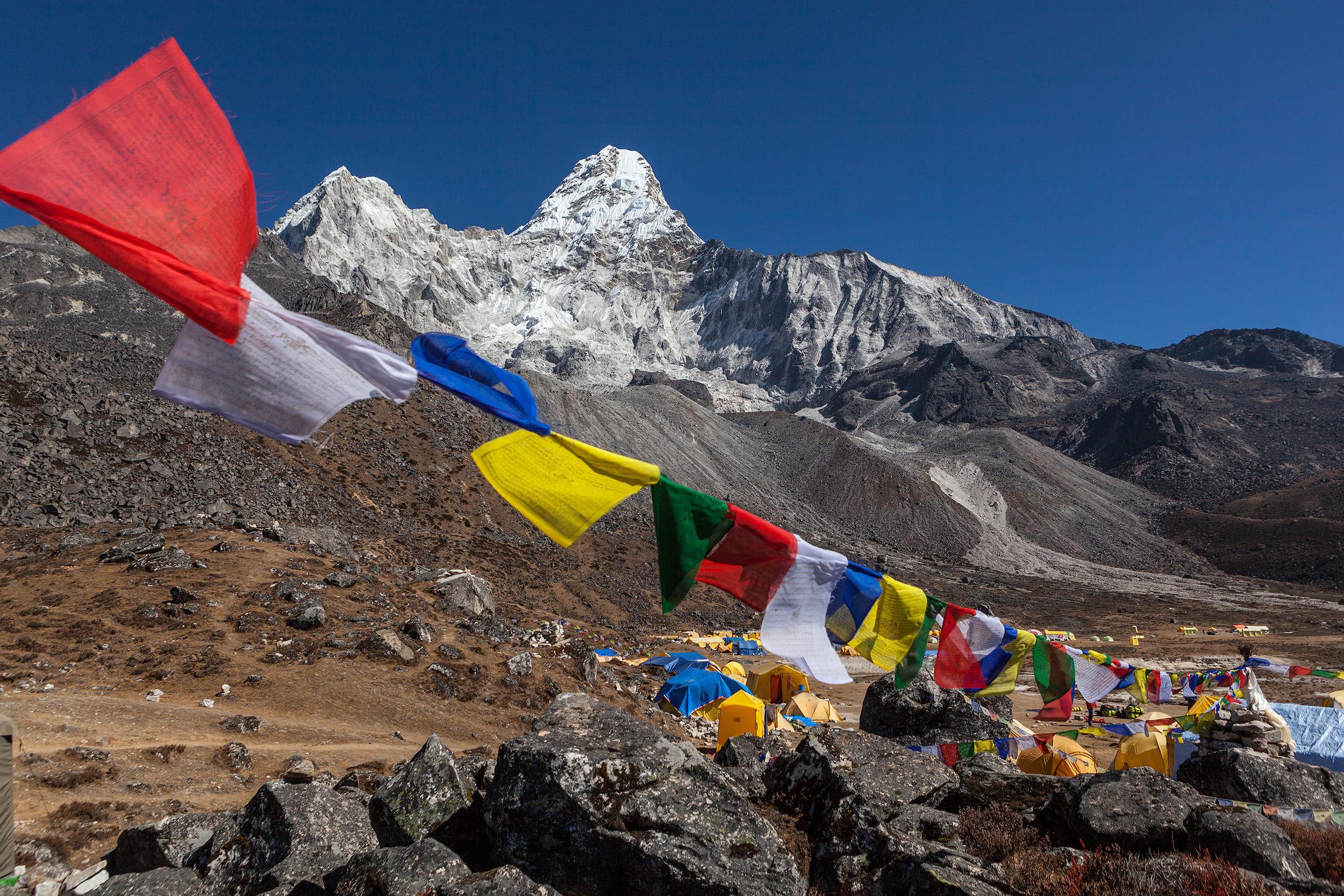
What makes it difficult: in terms of difficulty, the mountain is technically difficult, characterized by very steep slopes. You will need to have experience climbing peaks over 6000 m (Meru Peak, Aconcagua) or Kazbek or Mont Blanc in the off-season or winter. It is highly desirable to have practice on other technically challenging peaks, such as the Matterhorn. What else you need: excellent coordination, movement skills, work with crampons and descenders.
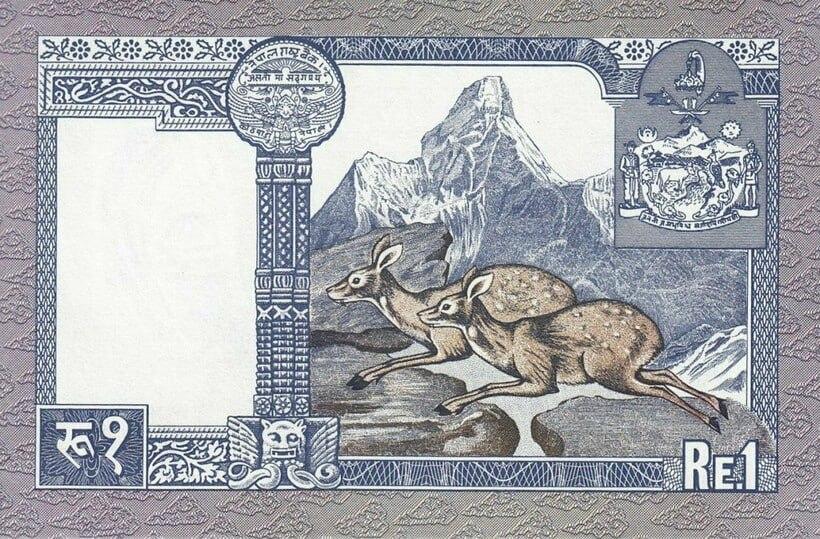
Interesting facts: The outline of the Ama Dablam peak is familiar to every Nepali. The characteristic profile of the mountain is depicted on the 1 rupee banknote.
How much does a mountaineering Ama Dablan cost with KULUAR: from $6300, more details in the description of the route to Ama Dablam.
Location: Karakoram Range, Pakistan-China border.
Absolute height above sea level: 8080 meters.
What makes it difficult: remoteness and inaccessibility, as well as high technical difficulty, especially in the upper part of the route. Unpredictable weather conditions and altitude can cause hypoxia. At the same time, when the air temperatures are very low, there is always a risk of avalanches or the possibility of getting lost in the snow.
What is the price of climbing Gasherbrum I or as it is also called Hidden Peak or K5 with KULUAR: from $16500, more details in the description of the route to Gasherbrum I.
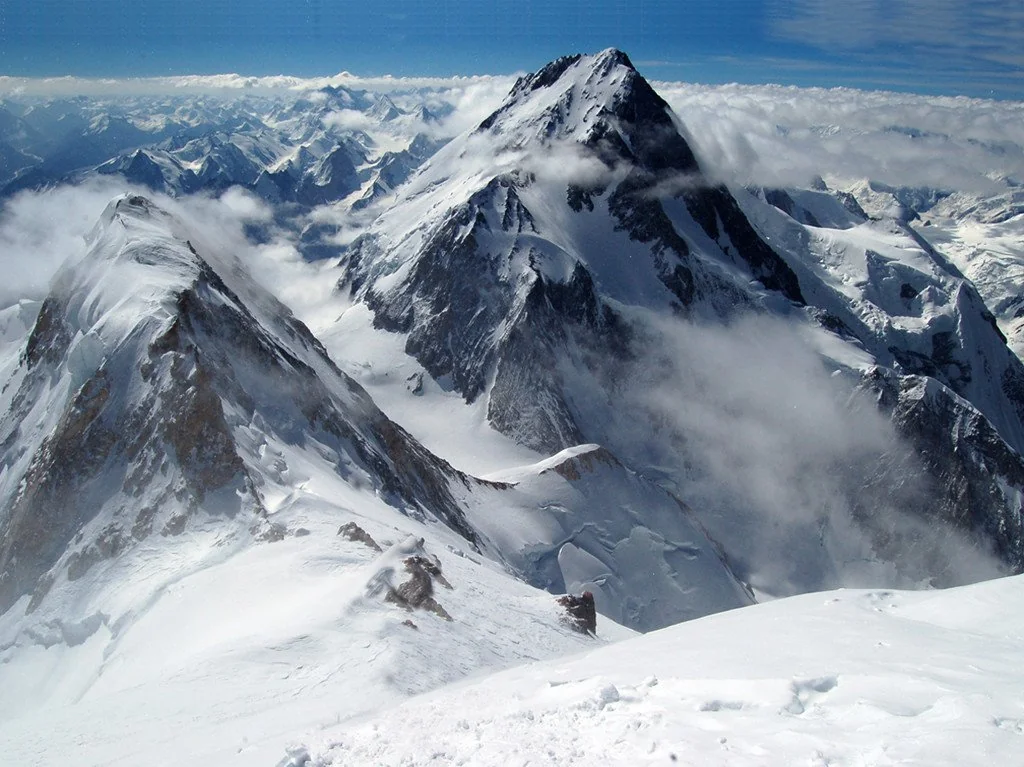
Location: Karakoram Range, Pakistan-China border.
Absolute height above sea level: 8051 m.
What makes it difficult: The temperature here can drop to -50 °C and below, and winds can blow at speeds of up to 300 km/h. Difficulties will begin immediately after leaving the base camp, which is separated from the foothills by a massive glacier with a constantly changing terrain. The climb itself is quite steep, especially in the upper part, and requires excellent physical and mental fitness and endurance.
Interesting facts: Climbing Broad Peak is considered one of the easiest and safest climbs compared to other 8,000-meters. The mortality rate is one of the lowest, and the success rate is one of the highest. All difficult and steep sections are roped off.
What is the price of climbing K3 with KULUAR: from $16500, details in the description of the route to Broad Peak.
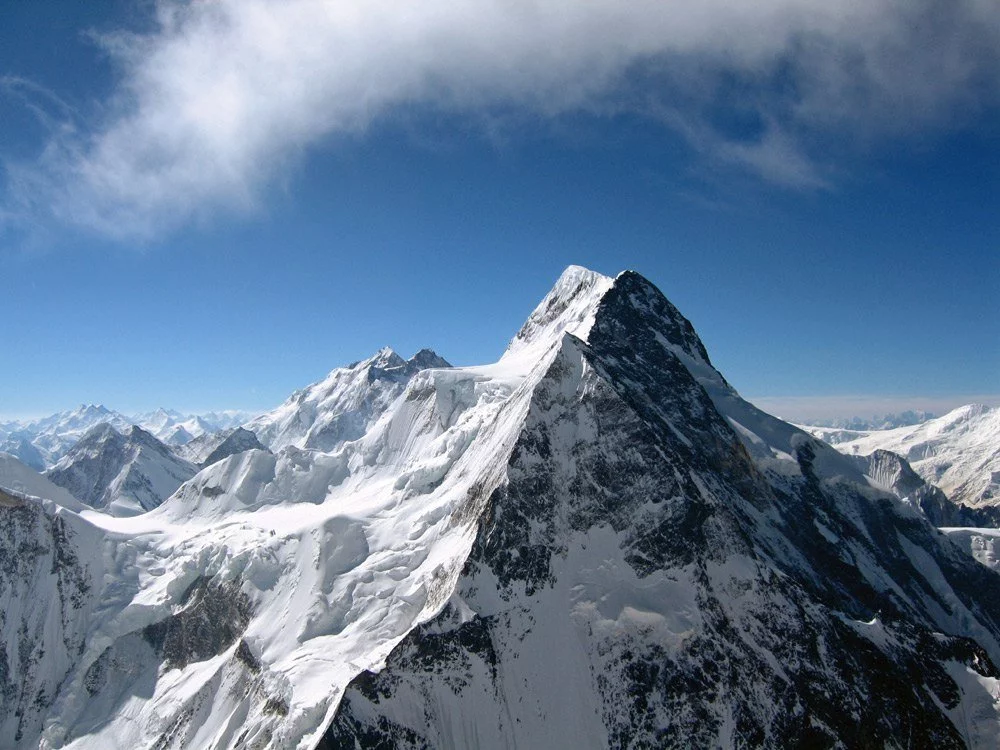
Location: Himalayas, Tibet Autonomous Region, China.
Absolute height above sea level: 8027 m.
What makes it difficult: Icefalls, steep slopes, harsh weather conditions (temperatures can drop to -50 °C and wind speeds can reach 320 km/h).
Interesting facts: Summer is the most unfavorable period for climbing, with heavy rains and frequent avalanches.
What is the price of climbing Shisha Pangma (Gosainthan) with KULUAR: from $16500, more details in the description of the route to Shishabangma.
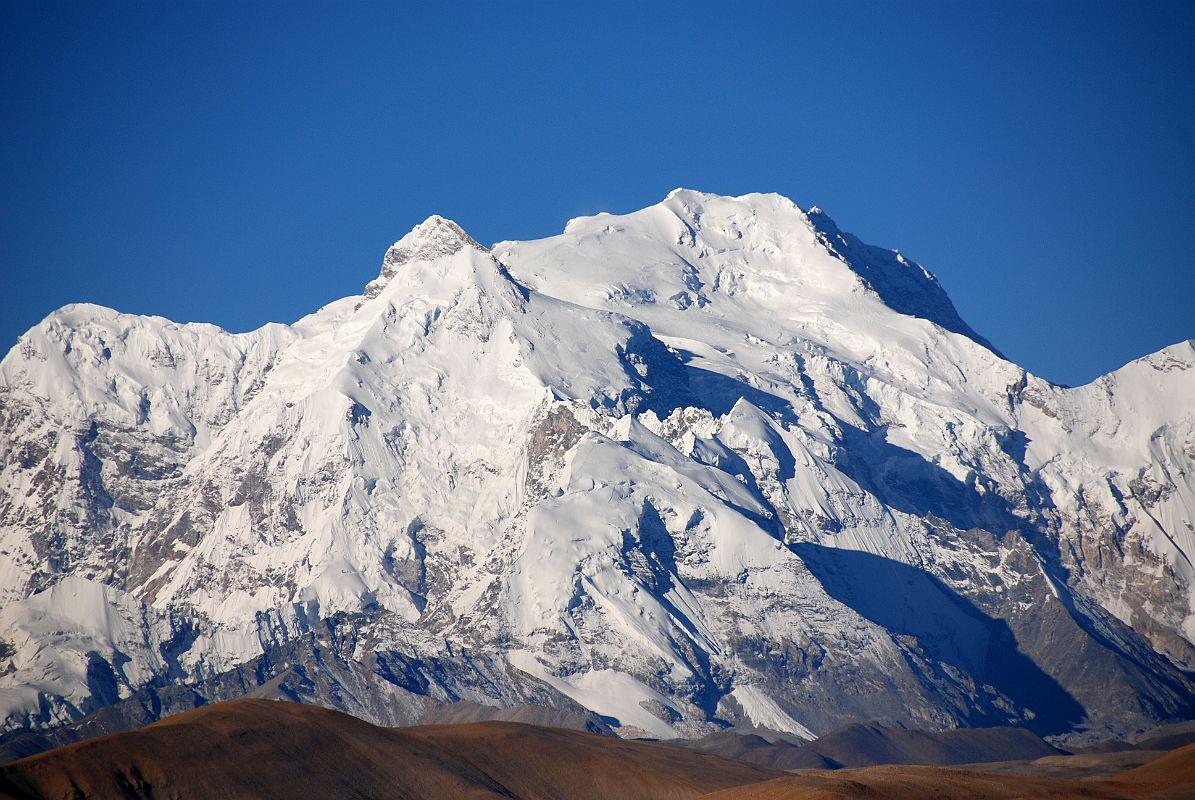
Location: Bhutan-China border, Himalayas.
Absolute height above sea level: 7570 m.
What makes it difficult: Remote location, limited access and government restrictions on climbing.
Interesting facts: This mountain remains a mystery, no one has managed to climb to the highest point of Bhutan so far.

As you can see, the mighty and incredible giants hide many dangers behind their allure. Preparation for climbing the most dangerous peaks of the world should be deliberate and take safety into account as the first priority. Experienced KULUAR team leaders will take care of the highest quality organization of each expedition. May good luck always smile on you!

The ascent of Cho Oyu (8188 m) was first carried out in 1954 by Herbert Teehee, Josef Jöchler and the Nepalese Sherpa Pazang Dawa Lama. The expedition discovered the safest and later classic rou...

Vinson Peak (4,892 m) is the highest peak of the massif and the whole of Antarctica, located in the Sentinel Range of the Ellsworth Mountain System. Climbing Vinson Peak is a must for the Seven ...

Ama Dablam is one of the most beautiful peaks on the planet! The calling card of the Khumbu Valley and all of Nepal, a "must do" for anyone who is seriously into climbing. Ama Dablam is a dream ...

Dhaulagiri (8,167 m, "White Mountain") is the seventh peak of the planet. It is located in the Himalayas in central Nepal. The mountain is part of the massif of the same name, the five peaks of ...

The ascent of Everest 8848 m was first carried out from Nepal in 1953 by Sir Edmund Hillary and Sherpa Tenzing Norgay. It was a truly outstanding action on a global scale.
Much has changed...

K2 (Chogori, 8,611 m) is the second highest peak on the planet, the northernmost eight-thousandth peak, located in the Karakoram mountain system on the border of Pakistan and China.
In the...

Kanchenjunga is a mountain range located in the Himalayas, with 16 peaks exceeding 7,000 meters. It is located on the border of Nepal and the Indian state of Sikkim. The most famous is the centr...

Lhotse (8,516m) or 'South Peak' is the fourth highest eight-thousander on the planet, located on the border of Nepal and Tibet. The peak is only three kilometres from Everest and is connected to...

Makalu, or "Black Giant," is the fifth highest peak in the world. It is located on the border of Nepal and China and has five different climbing routes. We will take the northwest ridge, which i...

Manaslu (8163 m) or "Mountain of the Spirit" is the eighth highest eight-thousander in the world, located in Nepal. Recently, the popularity of climbing Manaslu began to grow, as it is one of th...