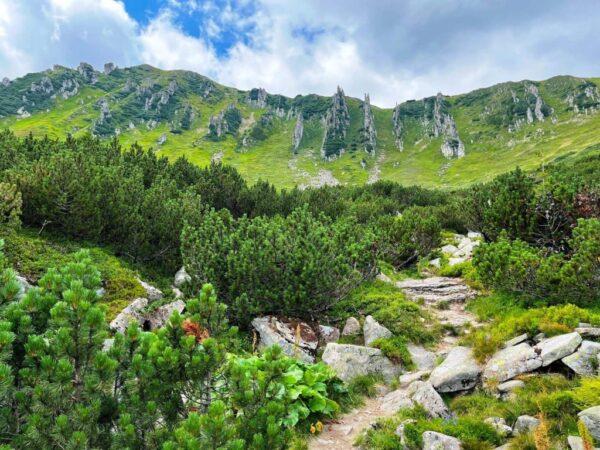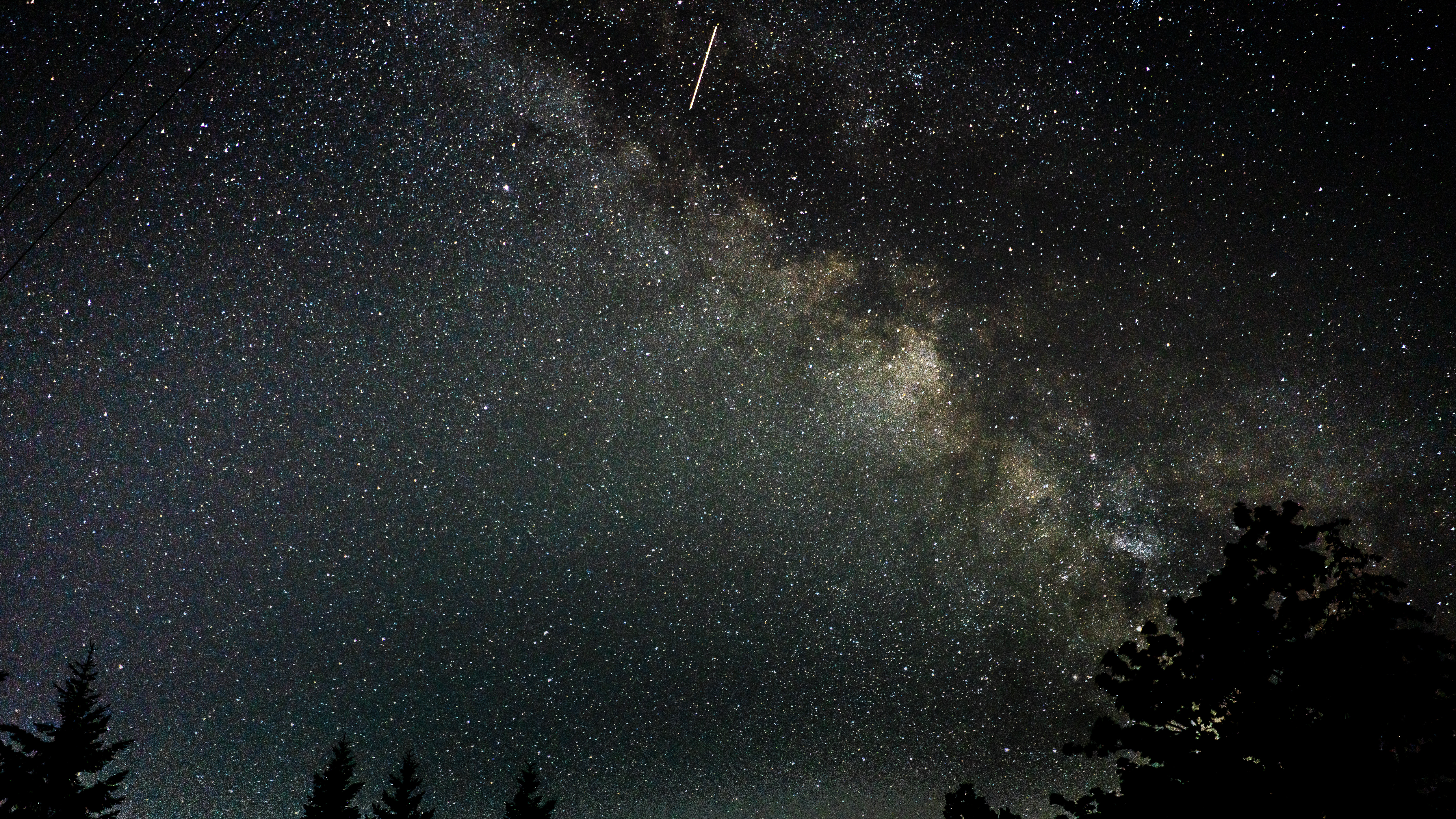
August in the Carpathian Mountains has its own special, incomparable magic. As well as pleasant weather for long hikes and long, light-filled days, this summer month brings one of the most eagerly awaited and spectacular astronomical events of the whole year — a brilliant night-time meteor shower.
If you’ve long dreamt of seeing the Perseids with your own eyes, the Ukrainian mountains are the perfect place to do so. The vast open spaces of the high-altitude mountain pastures, the absence of urban development and minimal light pollution create ideal conditions for gazing at the night sky – something so sorely lacking in major cities. Many people are keen to watch videos or live streams of the Perseid meteor shower online, but the true energy of the cosmos can only be felt amidst the living silence of the night. Once you find yourself in the mountains under the starry sky, you will each discover your own path to restoring your inner strength and harmony.
On Kuluar’s August trips, you’ll be able to gaze at the starry sky whilst warming yourself by the campfire in good company. During the summer season, we offer both easy, backpacking-free routes and more challenging mountain programmes, such as: the expansive Borzhava range, the lakes and mountain meadows of Svidovets, the majestic peaks of Chornogora, the wild Gorgany and the Skolivski Beskids. All the trails selected by our team leaders have one thing in common — they offer the best possible opportunities to enjoy the beauty of nature by day and gaze at the twinkling stars by night.
The Perseids are a unique cosmic phenomenon. Most travellers refer to this event using the common term ‘meteor shower’, whilst scientists clarify that it is, in fact, a classic meteor stream. But if we look a little deeper, what exactly is a meteor shower? The Perseids are a trail of minute dust particles and ice crystals left behind by the enormous Swift-Tuttle comet during its latest approach to the Sun.
Every year, at the end of summer, the Earth crosses this orbital path, and space debris enters our atmosphere at incredible speeds. Due to intense friction, it burns up instantly, creating bright streaks of light and flashes in the night sky.
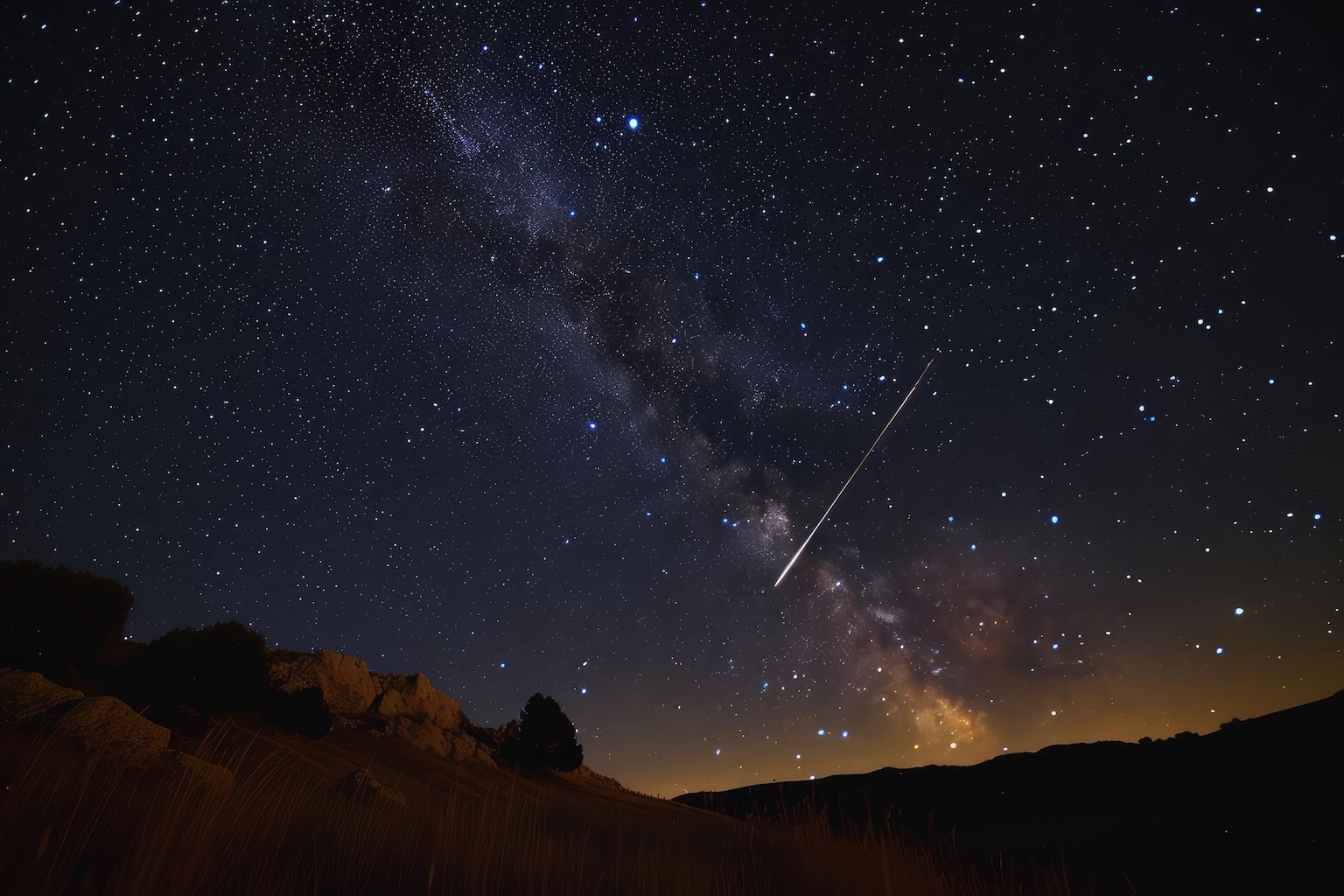
If you have never seen a meteor shower before, the spectacle resembles a shower of fiery sparks sparkling from a single point in the constellation Perseus. The Perseid meteor shower is known to be active for several weeks in July and August. However, the idea of what a meteor shower is is firmly associated in people’s minds with the ‘velvety’ month of August. Every year in August, the famous Perseid meteor shower attracts thousands of tourists and romantics who head for the mountains — far away from the worries and hustle and bustle of city life.
To fully enjoy this unique celestial spectacle, it is important to know exactly when the meteor shower will take place. Traditionally, the main peak of the meteor shower occurs during the night. It is best to plan your viewing for 12 August or the nights immediately before and after, when the shower is at its most intense. In particular, the night of 11–12 August and the meteor shower on 12–13 August are considered the best times for viewing. If you want to know exactly what time the meteor shower will take place, the best time is after midnight, when the constellation rises high enough above the horizon, and it continues right up until the pre-dawn twilight.
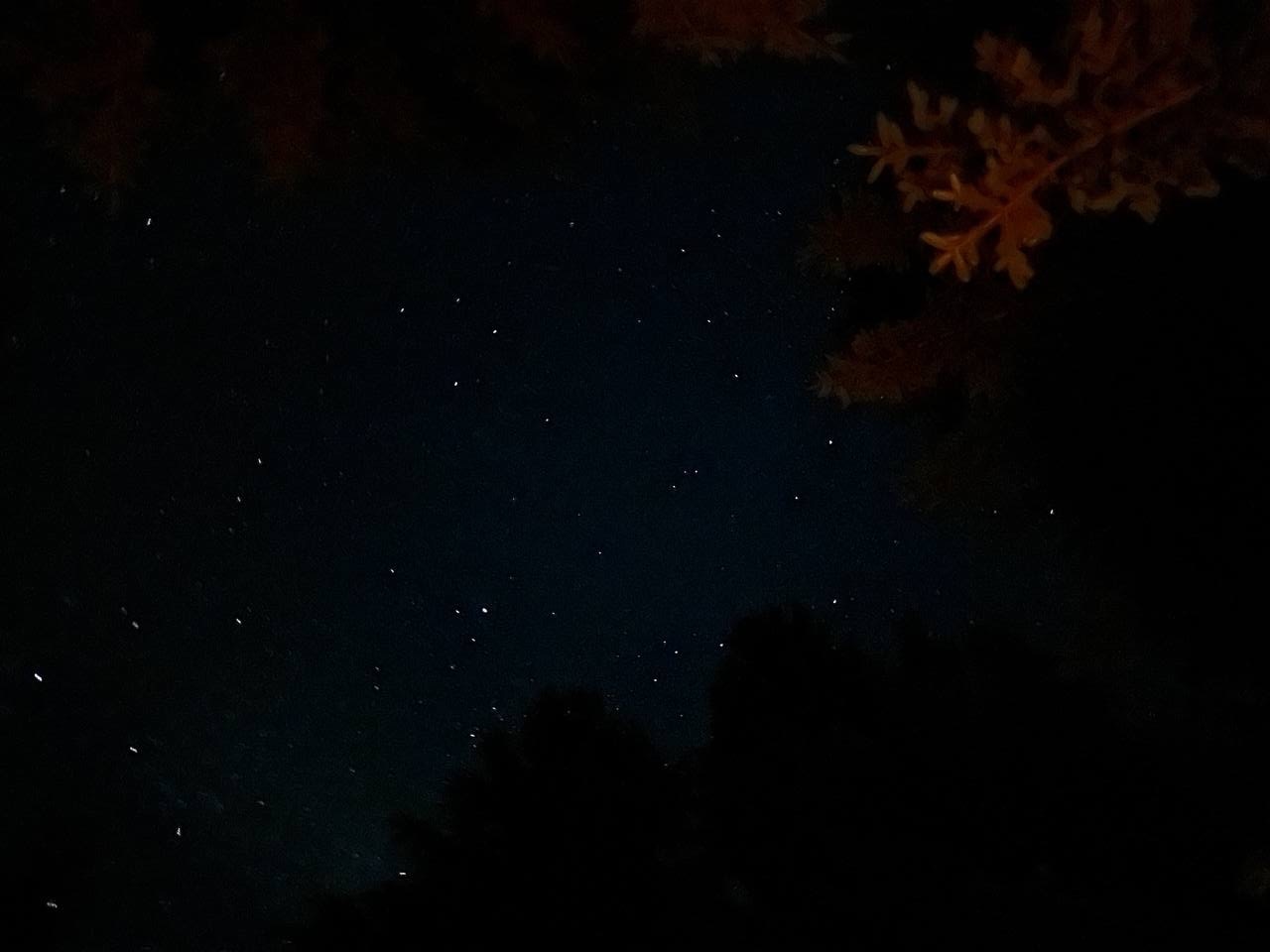 A view of the starry sky by the campfire whilst stopping at the Chufrova mountain pasture
Choosing the right spot in the mountains requires a sensible approach and adherence to basic safety precautions. To observe the Perseid meteor shower, you’ll need as open a space as possible, free from dense, tall woodland or massive rock formations that might obstruct your view of the sky. Spacious mountain meadows, gentle glades near mountain huts, or areas by mountain lakes are ideal for pitching tents for the night. However, bear in mind that it can get cold when spending the night near bodies of water — the dampness is more noticeable there.
Avoid unfamiliar ridges and peaks, steep slopes and precipices. Bear in mind the risks of solo trekking. It’s always better to have a reliable friend by your side, ready to lend a hand and offer support. Opt for hikes accompanied by experienced guides. It is extremely easy to lose your footing in the dark, so watching the Perseid meteor shower should only take place in safe, level and open areas.
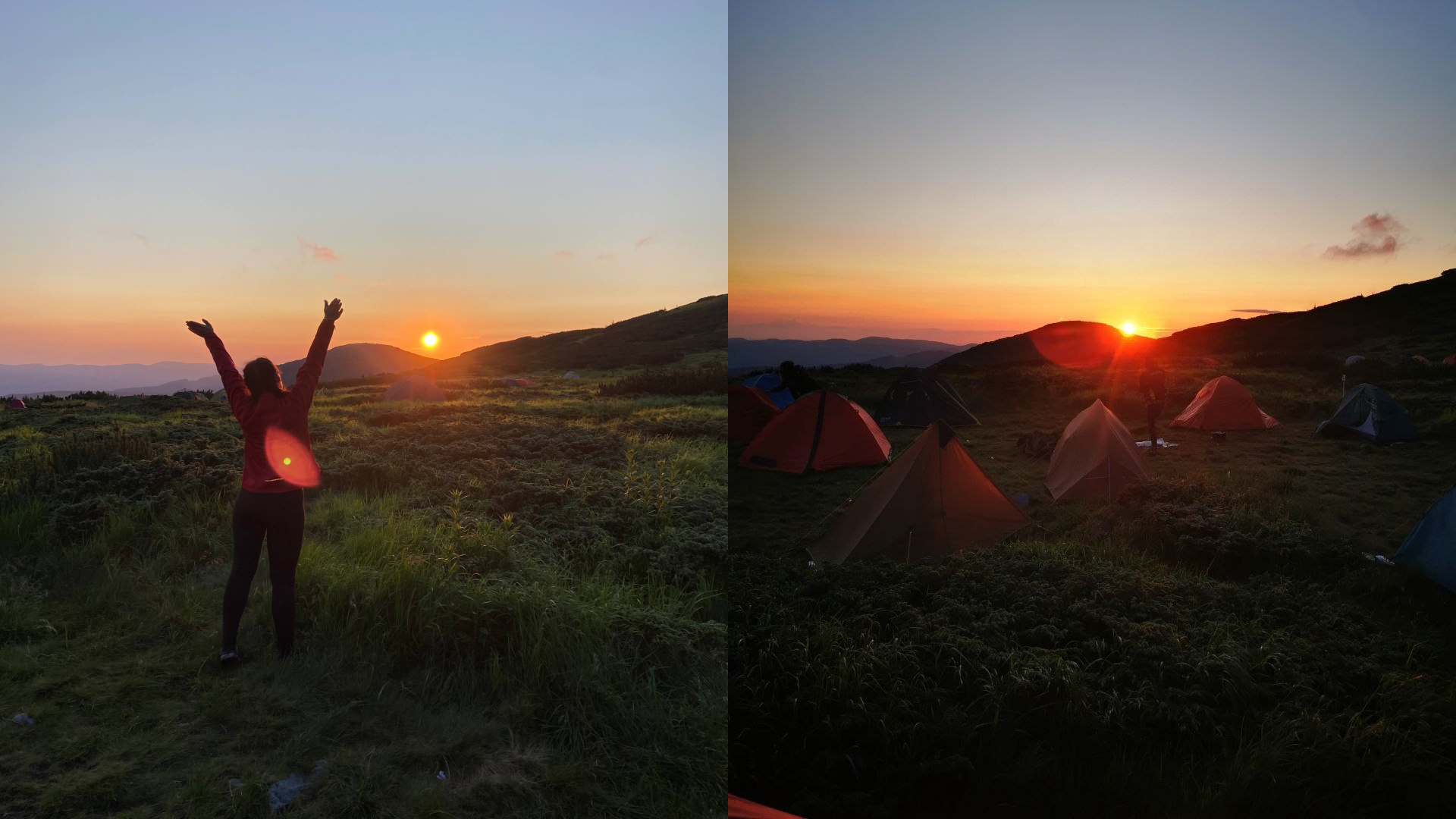 The area around Lake Nesamovite is ideal for watching the Perseids
Before you finalise your plans for watching a meteor shower in the great outdoors, be sure to check the latest weather forecast. The mountains can be treacherous in summer, and sudden thick cloud cover or localised fog can completely obscure the night sky. To ensure you always have reliable weather services to hand, we recommend reading our article on the top hiking apps from KULUAR’s team leaders, which brings together the best digital travel companions.
The golden rule remains the same — your safety comes first. Do not venture out onto challenging open ridges late in the evening if you see clear signs of an approaching thunderstorm or gale-force winds. If the weather takes a sudden turn for the worse, it is best to wait it out in a safe tent or kolyba. Of course, the spectacular Perseid meteor shower will provide an unforgettable experience, but the elements do not forgive carelessness. Even the most beautiful meteor shower is not worth risking your health and life during a night-time storm on a bare mountain peak.
Even on the warmest August nights in the highlands of the Carpathians, tourists may experience sudden drops in temperature. If you sit still for several hours at a time, watching the shooting stars, you’ll start to feel the chill very quickly. That’s why having the right kit is key to your comfort. Here are some recommendations on clothing and kit from the KULUAR mountain guides:
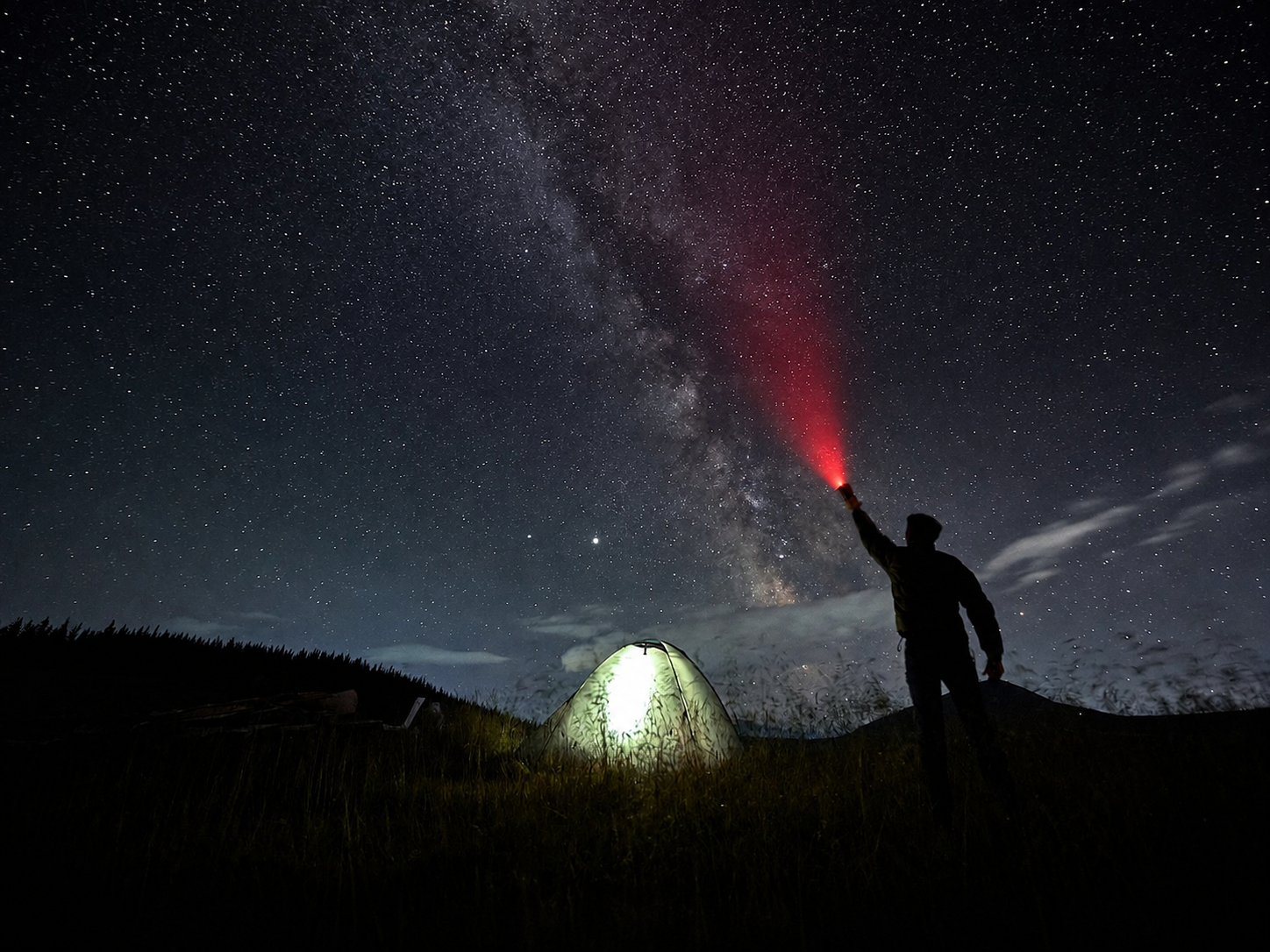 Tip from the team leaders: For night-time observations, take a head torch with a red light with you. It doesn’t disrupt your eyes’ night vision, so you won’t have to readjust to the darkness every time you switch the torch on.
The KULUAR Tourist Club offers exciting itineraries in August, where participants can successfully combine daytime trekking with stargazing at night. It is worth bearing in mind that the weather in the Carpathians is very changeable, and the sky can sometimes be overcast all night. Furthermore, experienced tour leaders advise planning night-time stargazing sessions so that you can get a good night’s sleep after strenuous treks, rather than on the eve of challenging summit attempts. The routes and campsite locations themselves can be flexibly adjusted by the guides depending on weather conditions and safety considerations in the mountains.
We’d like to bring to your attention these packed programmes, which will allow plenty of time to observe the spectacular Perseid meteor shower:
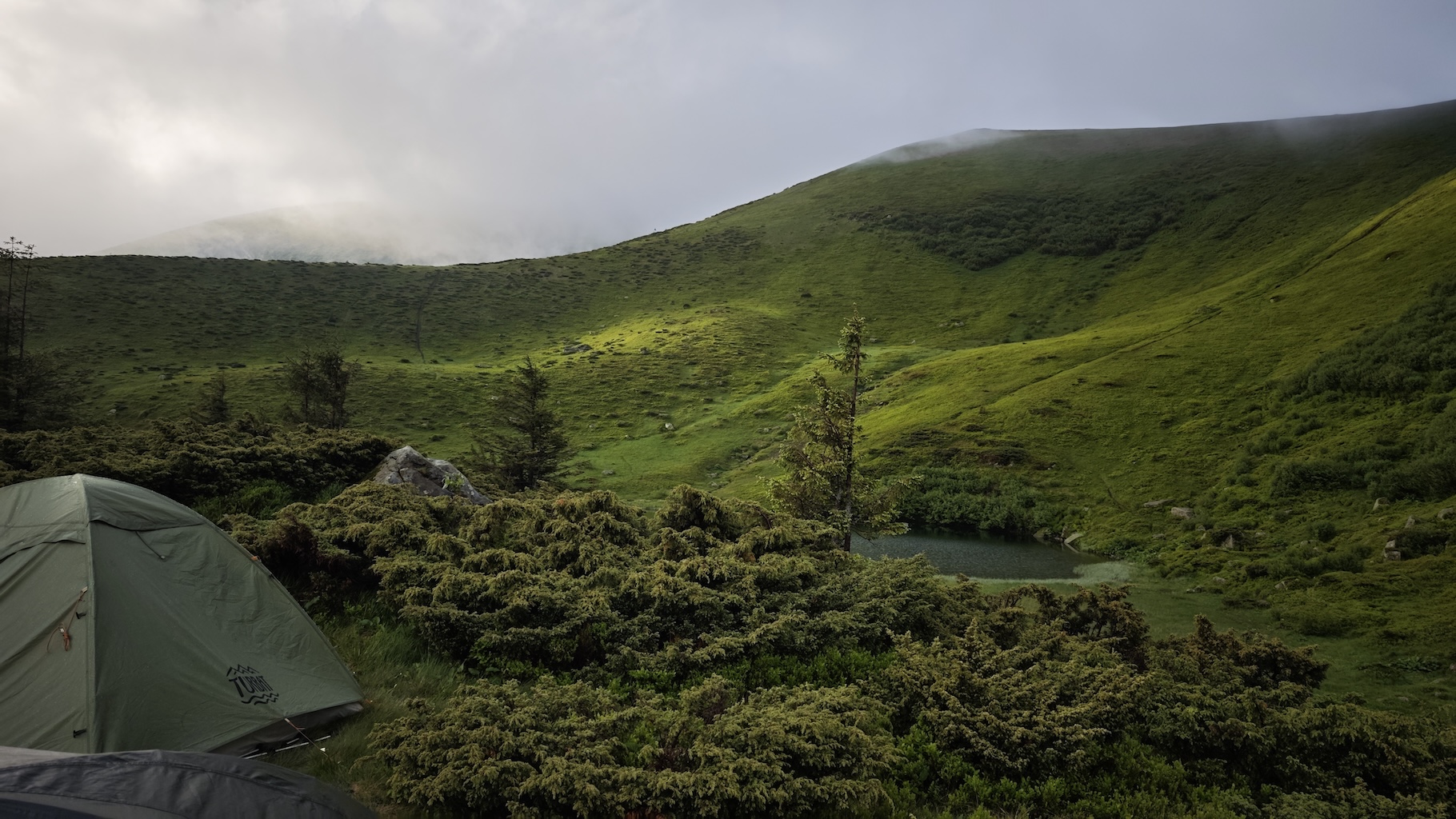
Choose the route that takes your fancy, and let the Carpathians fill your life with rich colours, the scent of pine needles, sweet berries and the twinkling of the stars.