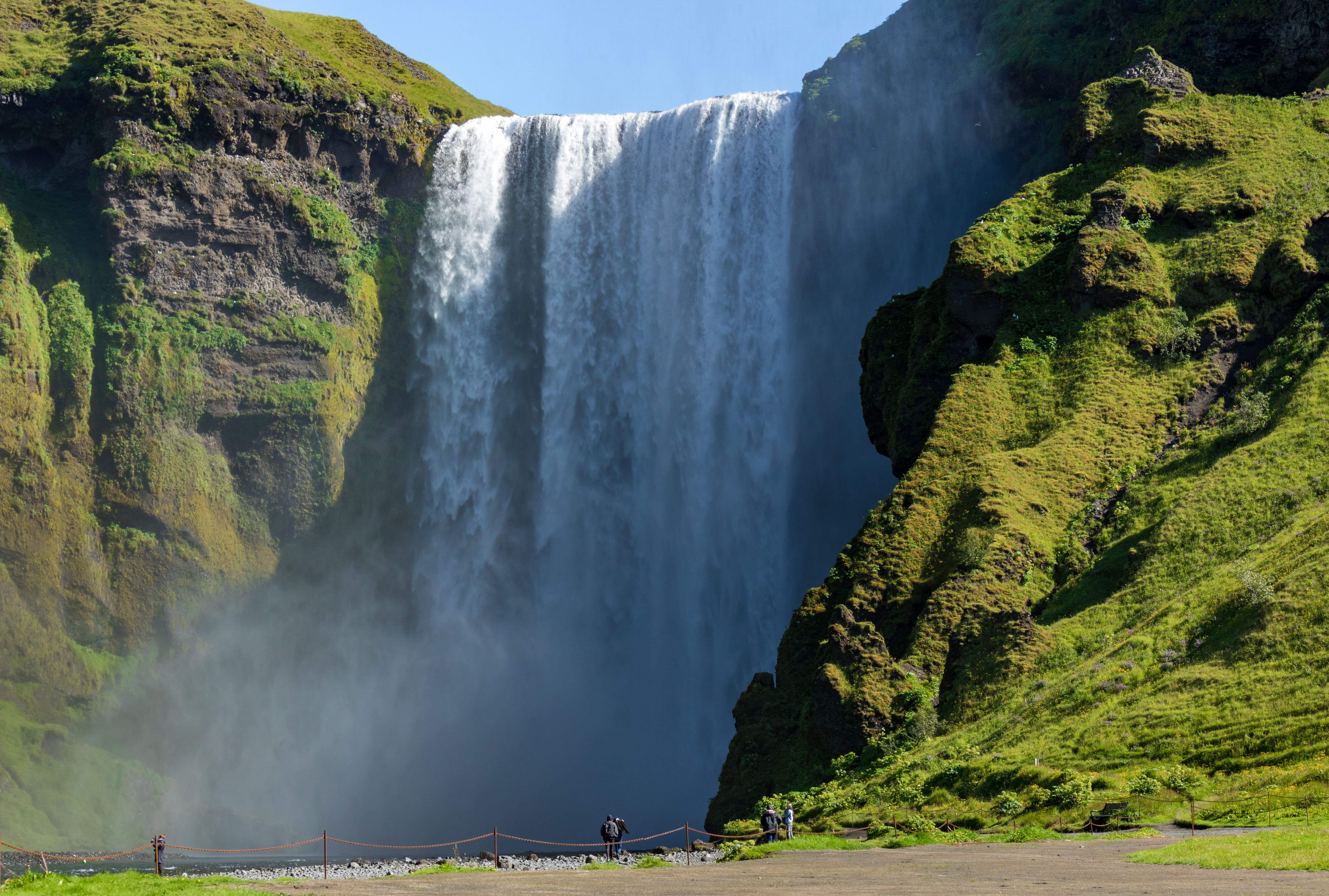
Iceland is a wonderful and unique country, which has its own very capricious and complex nature. The weather here is changeable, often blowing strong winds and rain, and snowy nights are possible even in the middle of summer. Therefore, the choice of equipment for hiking in Iceland, should be taken responsibly. In this article we will try to answer in detail the question of equipment for trekking in Iceland, so that unpleasant weather surprises do not spoil your holiday. This list is also suitable for hiking in Norway, as the climate of these countries is very similar.
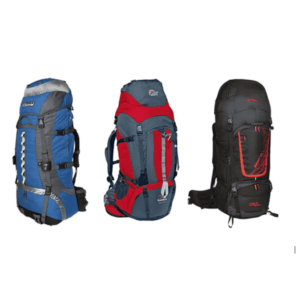 For girls, it will fit 65-80 liters, for men, 80-90 liters. The hike is not difficult and the model of the backpack is not so important. It can be a backpack with either a hard or soft back. The main thing is that it fits you. When choosing a backpack in a store, be sure to load it - put 7 kg of cargo (tent, sleeping bags, etc.) and walk around the room with the straps fastened. Only with a loaded backpack can you feel how it fits.
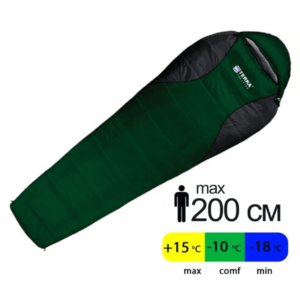 You need to choose a sleeping bag responsibly, because it determines how comfortable you will sleep at night, how you will get enough sleep and rest. The average temperature at night is about +4, but you may spend one night in the snow. Take a sleeping bag with a comfort temperature from 0 to -5, you will definitely not freeze in such a sleeping bag (look only at the comfort temperature!). The weight of the sleeping bag should not exceed 1.7 kg.
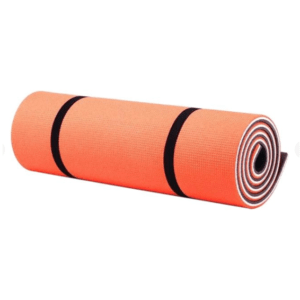
The mat should have good enough thermal insulation. Both ordinary double-layer mats and more expensive tourist mats are very good. In no case do not take a thin yoga mat - it will be cold to sleep on it!
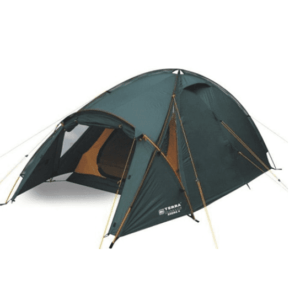
The two main factors to pay attention to are wind resistance and water resistance. The awning should be 3000-5000 mm, and the arcs should preferably be aluminum. At the same time, make sure that the tent is not too heavy - about 1-1.5 kg per person. That is, if you take a double tent, it should weigh up to 3 kg. If you have any difficulties, write or call us, we will help and tell you.
Raincoat (rain cover for a backpack)

Even if your backpack doesn't get wet (all modern ones are claimed to be waterproof), you still need to take a raincoat. Often it is already built into the backpack, but sometimes you have to buy it separately.
Seat Mat
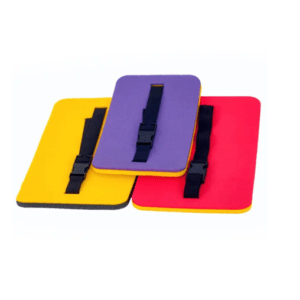
A small mat with an elastic band under the butt. Convenient: I sat down wherever I wanted.
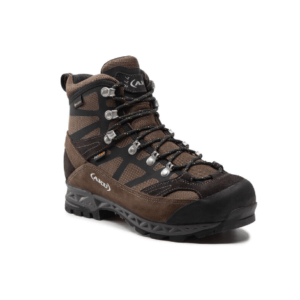
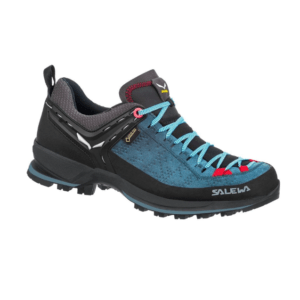
The boots should be waterproof, high, and stiff enough. To be more specific, try to choose above the ankle - this will protect your foot from turning over on difficult terrain. And you will get much less snow. We often have to walk on hard volcanic rock and sharp stones, and the boots must be able to withstand it. The ability of any shoe not to get wet is a controversial fact, but in any case, take those with fewer seams - so your feet will be dry and comfortable longer. Be sure to choose a size up so that your fingers do not rest against the edge of the shoe when you go downhill. Otherwise, they will be pressed and hurt. Be sure to wear them out before the hike.
Trekking sandals
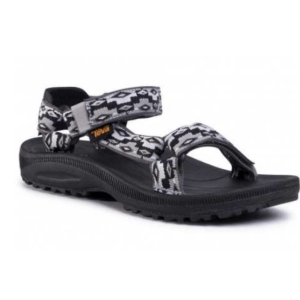
They will also come in handy during your stay in the camp and for fording, of which there will be several. Your sandals should be well fastened to prevent them from being washed away by the current. If you take flip-flops, not sandals, then take tape and tie them to your feet while fording. This is a strict method that will still save you from losing your shoes. It is good if the sandals are with closed toes.
They will also come in handy during your stay in the camp and for fording, of which there will be several. Your sandals should be well fastened to prevent them from being washed away by the current. If you take flip-flops, not sandals, then take tape and tie them to your feet while fording. This is a strict method that will still save you from losing your shoes. It is good if the sandals are with closed toes.

It should not get wet and not be blown out, and must have a hood. It is desirable that the water resistance be from 10,000 mm.
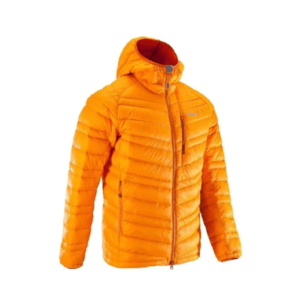
If you have a lightweight down jacket or gilet, you won't regret it. This is a great option for evening walks and outdoor gatherings. The down jacket should be compact and weigh no more than 0.5 kg.
Fleece (sweatshirt)
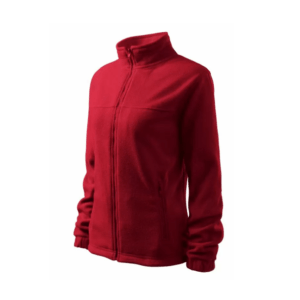
You can take two - one lightweight and one warmer. You will mostly wear fleece in camp, in the city, or on a radial. Fleece is good because it dries quickly and keeps you warm even when wet. You can replace it with a woolen sweater.
Membrane pants
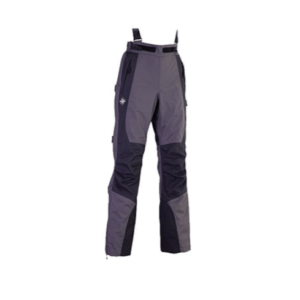
They should be lightweight, breathable and waterproof. As with jackets, water resistance of 10,000mm is desirable. They are worn mainly during rain and strong winds, can be worn over thermal pants or trekking pants. Given the peculiarities of the weather in Iceland/Norway, you can do almost all the trekking in them.
Walking (trekking) pants
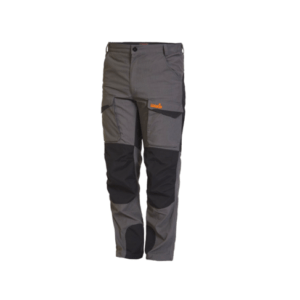
Pants that you will wear every day. They should be comfortable and unrestrictive, lightweight, durable, quick-drying and moisture-wicking. They usually have light water-repellent properties.
Thermal underwear: pants and two sweaters
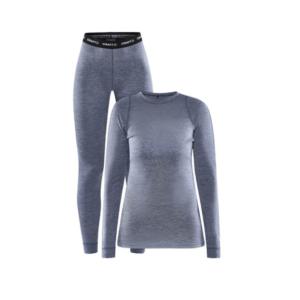
You need active underwear for hiking (synthetic and quick-drying), and warmer underwear for camp, made of natural fibers. Pants are enough.
Thermal shirts, T-shirts
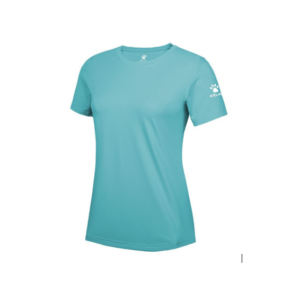
Even in Iceland, the sun sometimes pleases with its warmth. It is likely that we will be wearing T-shirts for several days. You need to take 2-3 of them.
Socks - 5 pairs
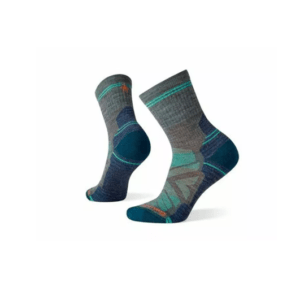
You will need about 5 pairs of socks, they should be above the line of the boot (so that the boot does not rub your foot) and warm enough. Remember that the average temperature during the day is +13, and at night it can drop to zero. Ideally, buy trekking boots, they are quite expensive, but they will protect your feet from rubbing and will last almost forever. Save one pair of extra warm socks for sleeping.
Gloves
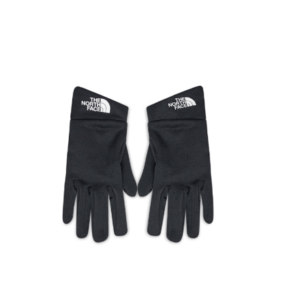
Preferably fleece - they are light, warm, and dry quickly.
Summer buff
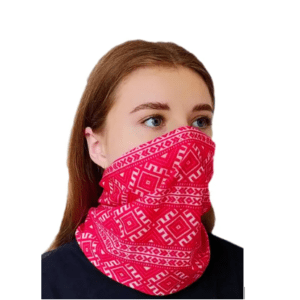
A buff is a versatile headwear that will come in handy to protect us from wind and cold. It can be worn both on the head and as a scarf.
Winter buff/hat
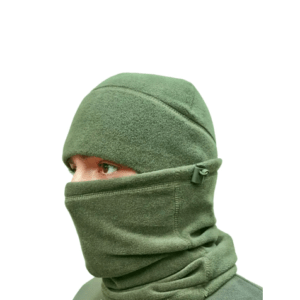
A warm hat is a must in Iceland, where even in the middle of summer there is snow and strong winds.
Gaiters (shoe covers)
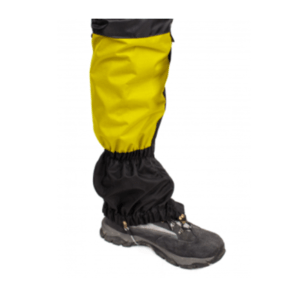
An optional, but very convenient thing. Gumboots will protect your feet from snow, dirt and water that can get into the boot.
Swimsuit
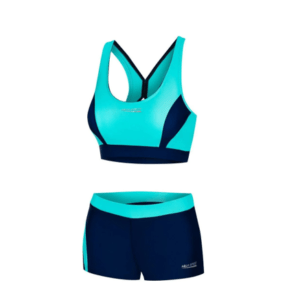
You will swim in the thermal springs, the pool, and you can also go to the Blue Lagoon.
Raincoat/poncho
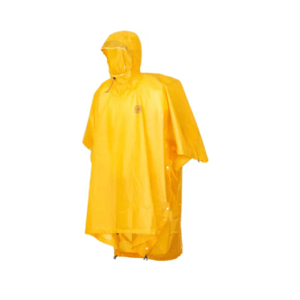
You should bring a raincoat, even if you have good membrane clothing. Who knows what will happen to it during a hike? It's convenient when a raincoat is a poncho. That is, you can put it on both a person and a backpack at once. And it's also good when there is a pocket on the chest where you can fit a camera.
Underwear - Quantity within reasonable limits)
A small backpack. We’ll often go radial (that is, we’ll set up camp and go for a walk around the area on a lightweight). It’s convenient to have a place to put water, a raincoat, a sweatshirt, and a camera to hide from the rain. Backpack must be light and compact.
Mug, bowl, spoon, knife. Utensils must not be ceramic or breakable.
Water bottle. A normal plastic water bottle. If there is a drinking system, this is a great option.
Sunscreen. In the snow or in the fog burns very quickly, take the cream for sure. But take a small pack.
Hygienic lipstick. Will protect your lips from chapped and dehydration
Sun glasses. Especially useful while driving on snowfields.
Bags. Bags are the kind of thing you need a lot of. Take with you a pack of regular garbage bags of 30 liters. They will be able to pack things so they do not get wet. In addition you can take a large bag of 120 liters and hide in it backpack at night.
Documents: passport, insurance, license (if you’re going to rent a car). Be sure to pack in hermetic bags – those on clasps that do not let moisture.
Card, money. The card must be a chip card. Make sure that your card is allowed for transactions abroad (sometimes you have to call the bank just before the trip and ask to activate the service). You don’t have to change money in the process – even high up in the mountains you can pay with the card. You can change 20 dollars for an emergency and make sure you have 5 coins of 100 kroner for a shower at one of the campsites.
Hygiene products: Toothbrush, toothpaste, dental floss, shampoo, soap, deodorant. We take small jars, purely for the trip. It is possible to take one set on several people.
Towel. In travel stores sell microfiber towels. They are very light and quickly absorb moisture. It is worth buying.
Handkerchiefs. You will probably have a nosebleed while hiking, so either get handkerchiefs or unwrap toilet paper
Toilet paper. All campgrounds have toilet paper, but they may run out. It is a good idea to pack just in case.
A camera, a spare battery, and a memory card. Batteries run out faster in cold climates, so buy a spare battery and make sure there is enough space on the card – after all, we are going to take a lot of pictures. Plan how you will protect your camera from the rain
Mobile Phone. You’ll be hiding your camera in your backpack on tough hikes, and your phone is always in your pocket and you can quickly take pictures of beauty with it.
Cell phone charger. Almost every campsite will have a way to recharge your
Power Station. Iceland has very good phone coverage, so if you want to stay online, buy a small charging unit. The 10,000 mpa charger weighs about 250 grams and allows you to charge your phone 3-4 times. Unfortunately, on the trek (which is 5-6 days) you can only charge your phone for money – about $4 per charge. In Reykjavik you can buy a SIM card with 3 GB internet for 1750 kronor, that is, for 13 dollars, and call on Vyber and post photos from any part of the hike
Clothespins, rope. If it’s sunny, you can wash and dry things. The rope can be stretched between the trekking poles.
Personal first aid kit. Band-aids, something for your stomach, head, and medicine for your personal ailments (if any). Your guide will have the rest of your first aid kit.
Packed backpack with personal belongings should weigh 12-13 kg. You are to add about 3-4 kg of food for girls and 6-7 kg for men. Those who have a tent will have less food. We will ask you to bring some of the food to Iceland, because we don’t have all the necessary groceries for the trip there.
For the idea of the article and personal advice thanks to our participant Lila Kirilenko.