Table of contents
Sacred mountains are not merely stone giants rising into the sky. They are places where nature speaks with the soul. Here every summit breathes power and mystery, and the beauty around is so permeated with spirituality that the heart begins to beat differently. Standing before this grandeur, it is impossible not to think about eternity and one’s own place in this world.
We at KULUAR have selected for you a list of the most iconic sacred summits of the world – from Kailash in Tibet to Fuji in Japan, from Machapuchare in Nepal to Sinai in Egypt. These are summits that have become symbols of faith, strength of spirit and wisdom; places to which people go not for the sake of climbing, but in order to feel how nature and human can be one whole. Yes, this is purely our view, but we believe that you will share it with us. The time has come to let the heart call you on the road!
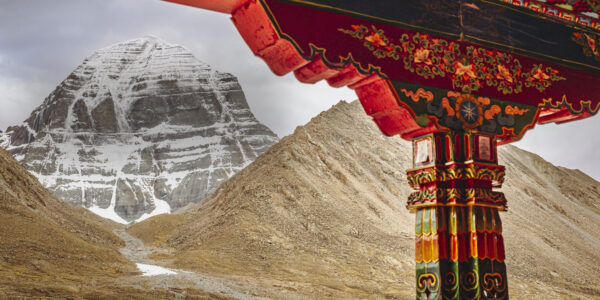
In the very heart of Tibet Kailash rises into the sky – a mountain that reaches 6,638 metres and for millennia has held within its embrace the sacred secrets of humanity. This is the place where the paths of Hinduism, Buddhism, Jainism and Bön – four religions that hold the axis of the world around which all living things rotate – converge.
Every year thousands of pilgrims overcome a hard road to circle the mountain during the kora – the sacred circuit that grants cleansing from sins and a chance at enlightenment.
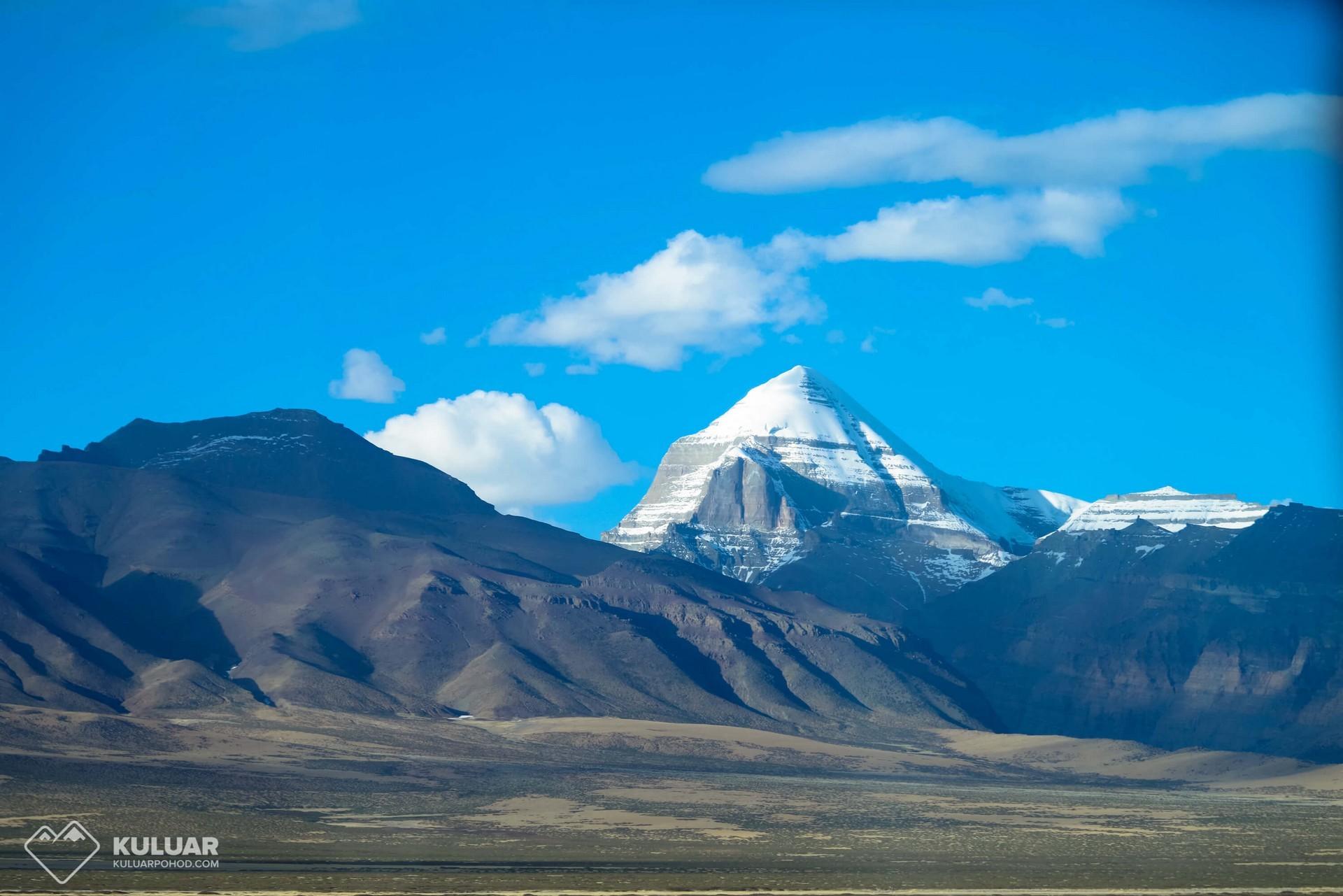
The mountain hides its summit in eternal clouds, as if guarding a secret that no one is allowed to uncover. Kailash seems alive: it does not tolerate intrusion. Those who tried to touch it stopped, feeling an invisible power that seemed to say: “No farther.” Here time slows down, space breathes legends, and the boundary between reality and mysticism melts like snow in the sun.
The wandering mountain… So ancient tales sometimes call Kailash. They say that near this summit it is easy to lose orientation – it seems that the surrounding landscape begins to change right before your eyes. And someone claims that it moves, changing its position relative to the heavenly bodies. Is it truth or myth? Probably only one who dares to see Kailash with his own eyes will find the answer 😉
Are you ready to go there and feel the magic in your own heart?
Join KULUAR to perform the sacred kora around Kailash in Tibet or to plunge into the atmosphere of a grand trek among the Nepalese mountains.
Mount Fujiyama is not only the highest summit of Japan (height 3,776 metres above sea level), but also the symbol of the country, its soul and heart, praised by poets and artists. Fuji is situated on Honshu Island – the largest in the Japanese archipelago. Its summit is visible for hundreds of kilometres, and in clear weather it becomes the main decoration of the horizon even in Tokyo.
The sacred mountain Fujiyama has been an object of worship since ancient times. The Japanese believed that gods dwell on the summit, and the mountain itself is a bridge between earth and heaven. For many centuries its slopes served as a place for meditation, spiritual practices and rituals. Even today locals treat Fuji with respect, seeing in it a living being that grants strength and inspiration.
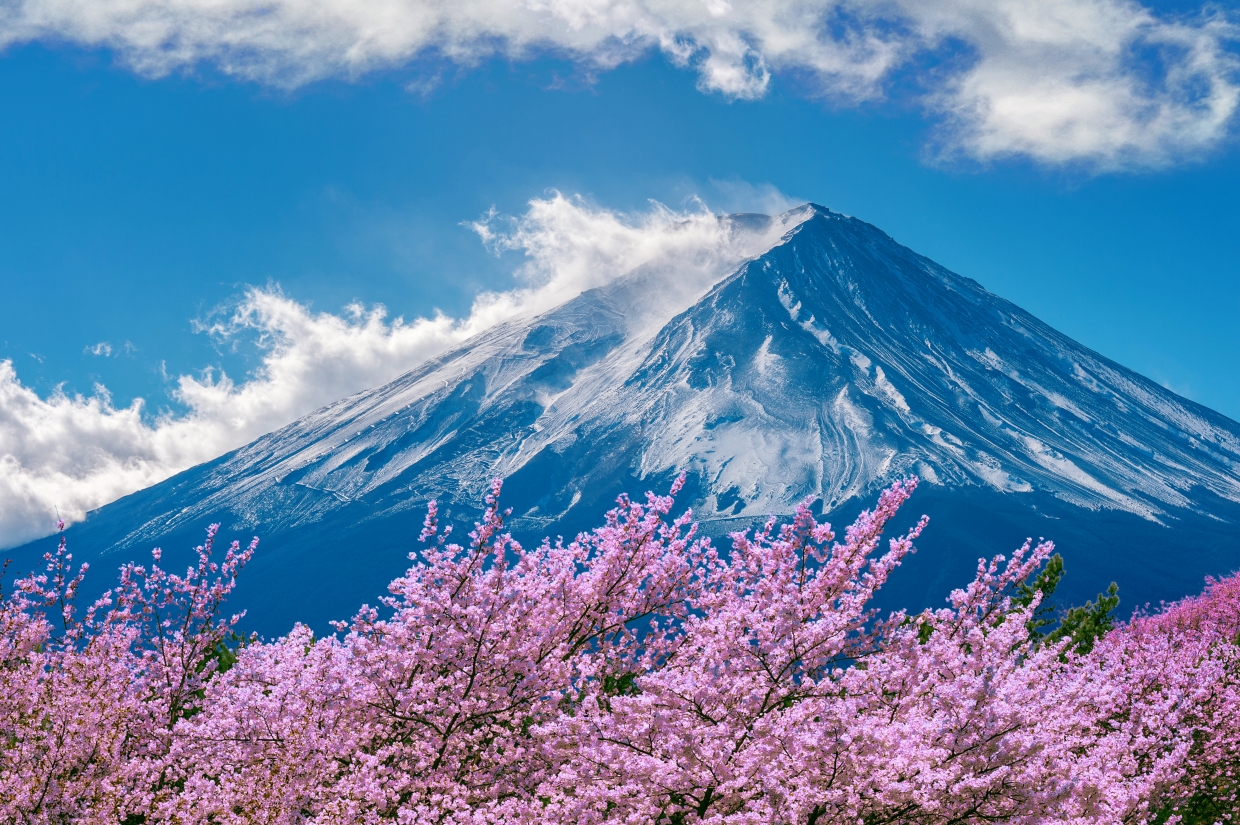
In spring delicate pink clouds of sakura bloom around the handsome mountain. Imagine: a silent volcano with a snow-white cap and an ocean of flowers at its slopes… Climbing here is a dream of many travellers. Every year thousands of people ascend its summit to meet the sunrise – a moment the Japanese consider blessed.
The mountain itself is technically uncomplicated for ascent. The routes do not require special mountaineering equipment or special training, however in any case it is worth taking care of physical preparation for the hike in advance. Start running a few months before the trip and train at least three times a week. Run in your own comfortable rhythm, focusing on endurance. Remember: the better shape you are in, the more energy will remain to enjoy the beauty of the surrounding landscapes!
The official climbing season here is from early July to early September. During this period the trails are open, mountain huts and rescue services operate, and the weather is most stable. It is at this time that one can observe the famous sunrises from the summit of Fujiyama, which the Japanese call “goraiko” – the coming of the sun.
Though today Fujiyama seems calm and majestic, in fact it is a dormant stratovolcano. The last great eruption took place in 1707 and entered history as the Hōei eruption. Then the mountain ejected so much ash and rock that it reached even the city of Edo (modern Tokyo), located 130 km away.
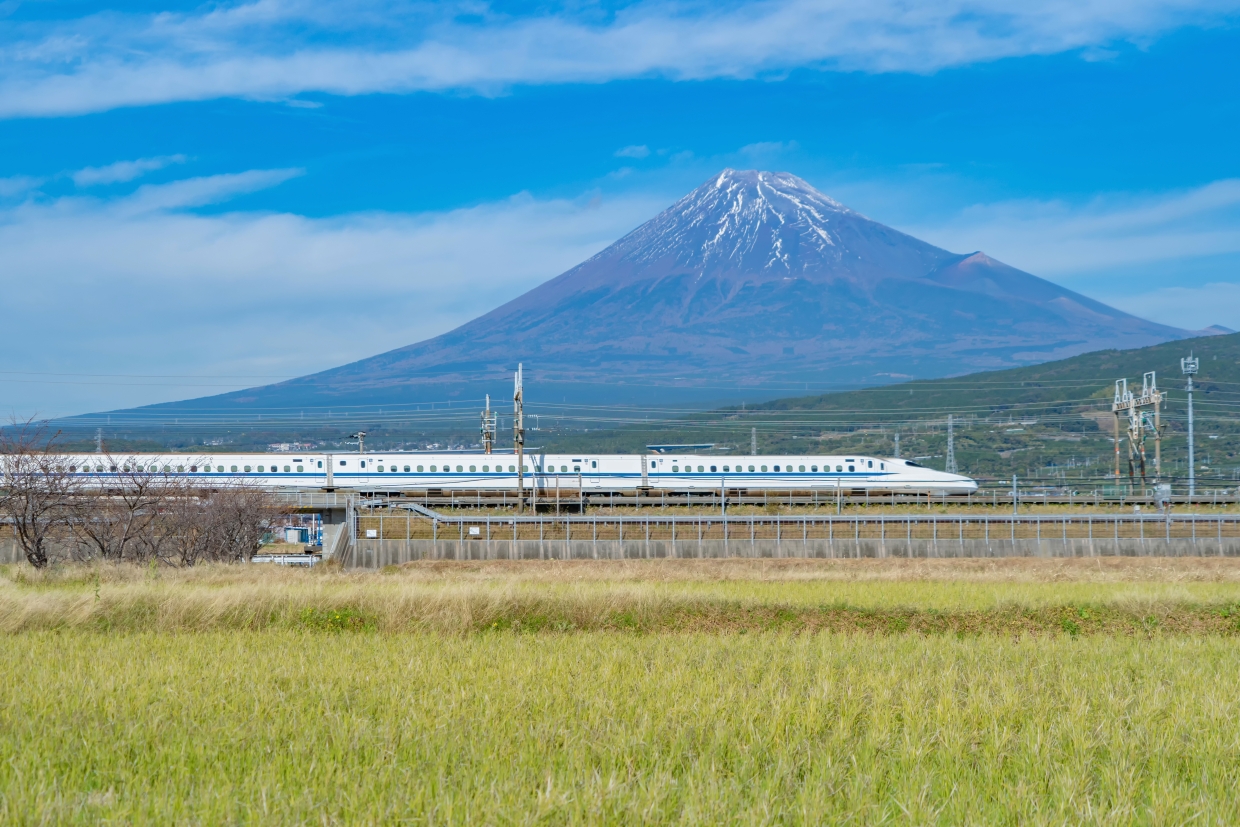 The company Japan Railways Shinkansen offers high-speed trains that depart every hour from Tokyo Station to Shin-Fuji Station. The trip lasts about an hour, or you can take JR Bus Kanto buses that regularly depart from the Yaesu South Exit of Tokyo Station to Tomei-Fuji. Such a trip takes twice as long, but the ticket will be more budget-friendly.
Machapuchare (height 6,998 m) is one of the most revered and at the same time most mysterious summits of the Himalayas. Its outlines cannot be confused: the double peak forms a silhouette resembling the tail of a giant fish, which gave the mountain its name. This shape is so expressive that even from afar it impresses the imagination with its sharp lines and steep slopes. The mountain is located in Nepal, in the Annapurna region, about 24 km from the city of Pokhara.
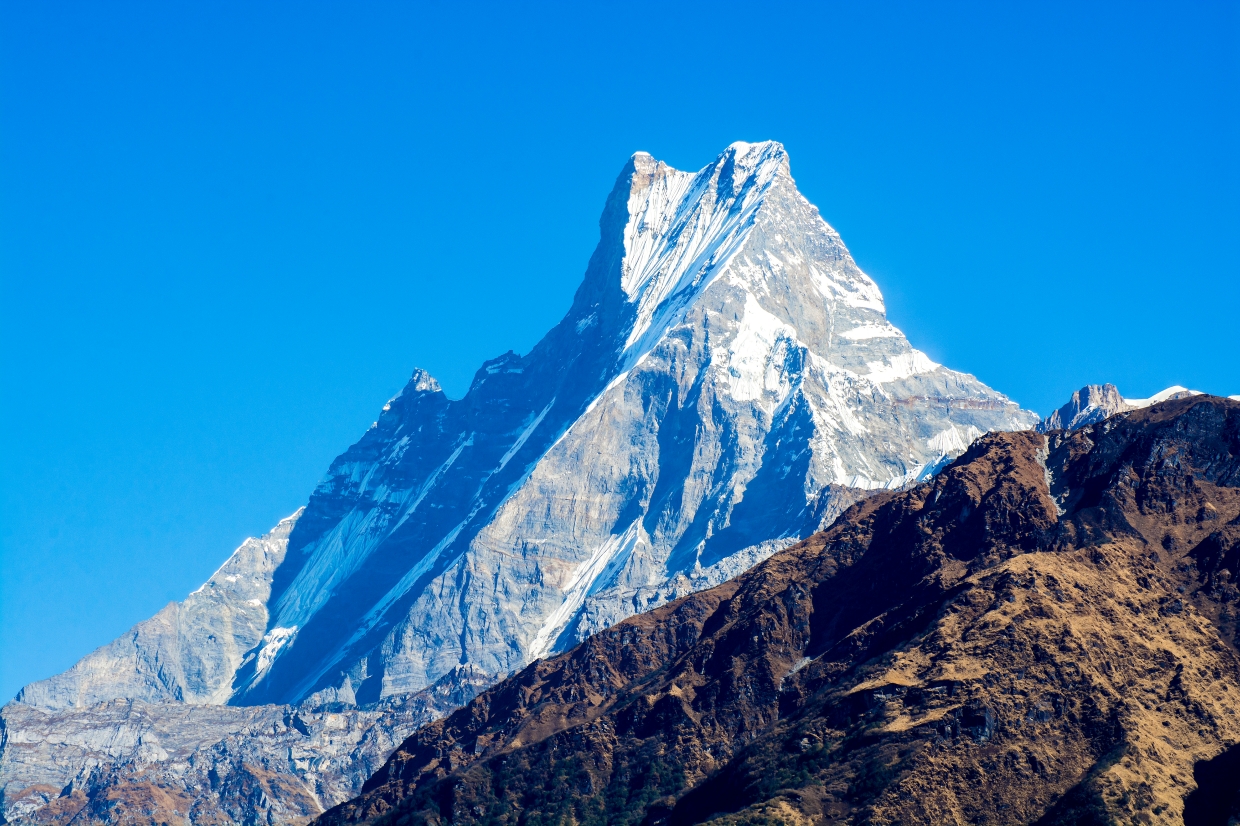
Machapuchare is considered a sacred mountain for Hinduism and Buddhism, which are closely intertwined in the culture of Nepal. Locals believe that the summit is the home of the great god Shiva, patron of the Himalayas, symbol of transformation and destruction of evil. Because of this belief ascents on Machapuchare are strictly forbidden: the mountain remains untouched, for a human must not disturb the peace of the divine.
Numerous rituals and ceremonies are associated with Machapuchare. Before starting a trek or any expedition in this region travellers often take part in pujas – blessing rituals during which a lama or brahmin asks the gods for protection for the group.
An attempt at an unauthorized ascent of the mountain means not only gross disregard for the religious feelings of Nepalis, but also violation of the current legislation of the country. Such actions fall under clearly written norms and entail serious responsibility. To dispel doubts of the most curious right away: the death penalty for this is not provided – it was abolished back in 1990. At the same time Chapter XIX of the Criminal Code of Nepal concerns crimes against religion and will not be limited to a simple reprimand or warning.
We do not offer an ascent of Machapuchare – this mountain is sacred. But trekking to Annapurna Base Camp with KULUAR gives you a wonderful opportunity to see it from all angles and capture all its beauty in photos.
In the mythology of Hinduism and Buddhism Mount Meru (Sumeru) is considered the centre of the Universe, the cosmic axis of the world and the place where the gods dwell. It is depicted in the form of a lotus from whose heart the sacred summit rises. It is spoken of in the “Puranas”, the “Rigveda” and other ancient cosmological texts. This sacred mountain has no concrete coordinates on the map, therefore it is not an object of climbs.
The real mountaineering summit Meru Peak (6,660 m) lies in the Indian part of the Himalayan system, in Uttarakhand state, and it is this one that is honoured as a symbol of spiritual power and eternity. Before each outing here expeditions order a puja in the Gangotri temple to obtain a blessing for the trip. Each ascent is accompanied by rituals, and cultural norms here are stricter than ordinary mountain rules.
At the same time, not far from the famous Kilimanjaro there is also a summit of the same name. Although it is not that very sacred Sumeru of the religious texts, it attracts travellers with its greatness and beauty no less. It is exactly this one that can be climbed. Its height reaches 4,566 m, which makes it the second-highest summit of Tanzania after Kilimanjaro. It is a stratovolcano towering above the city of Arusha and the national park of the same name, giving incredible panoramas and rich treks for travellers.
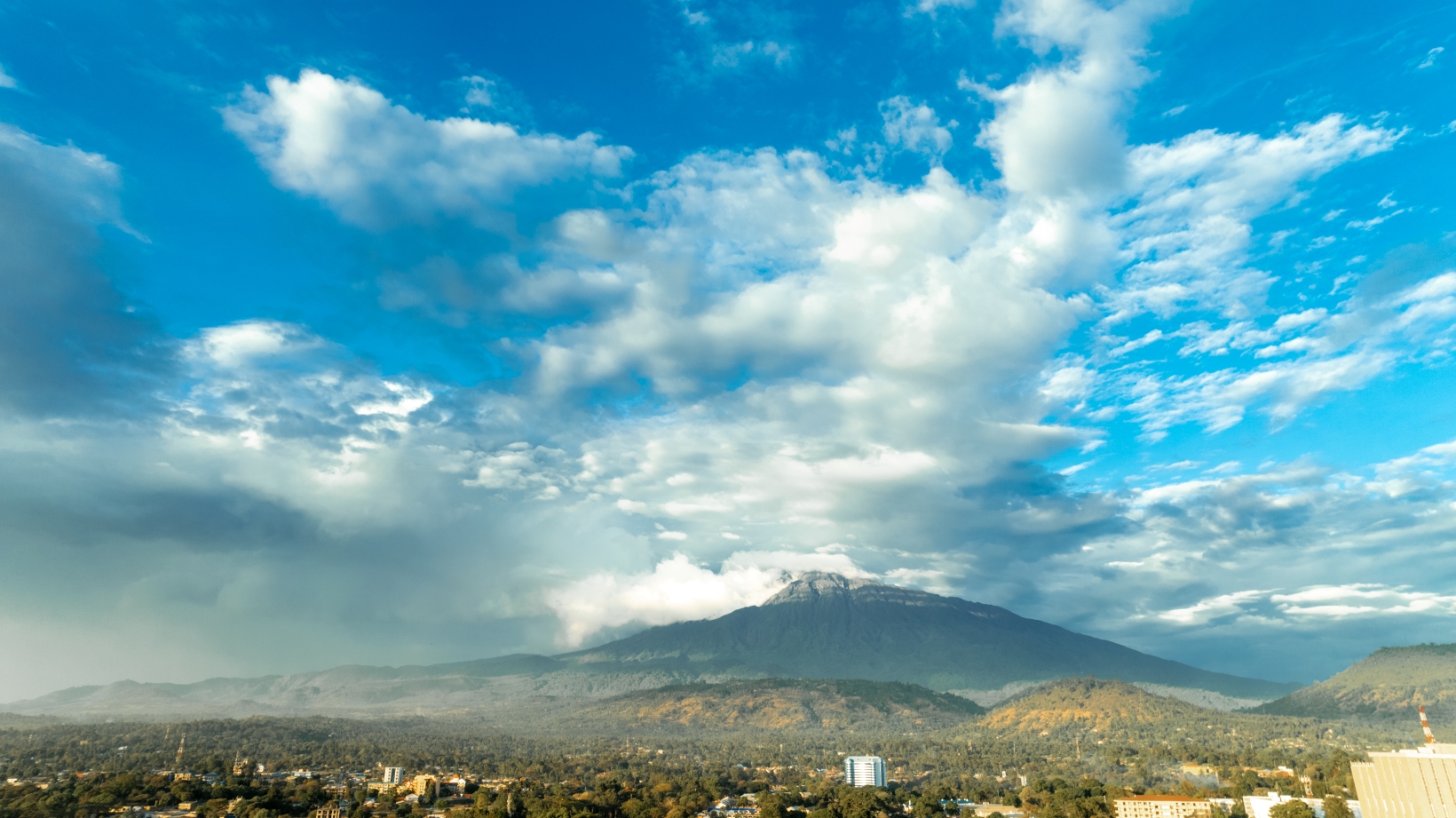
The summit has a massive crater about 3.5 km wide, and its slopes are covered with dense forests. Just imagine: you walk the trails of wild Africa, around you – pristine nature, and on the horizon the mountain majestically rises. Suddenly the path is crossed by a herd of zebras, buffaloes, elephants, giraffes or a graceful antelope, and in the crowns of trees voices of exotic birds are heard. That is why KULUAR invites you on a Dream Journey – Kilimanjaro, Mount Meru, safari in Serengeti and Ngorongoro.
Egypt attracts not only with its beaches and pyramids – here many other treasures await you! Mount Sinai, also known as Mount Moses (Jebel Musa), is one of the most famous sacred summits of the world. It is located in the southern part of the Sinai Peninsula and rises to about 2,285 m above sea level. From here a wow-panorama opens in all four directions. The landscape impresses with a combination of severe rocky ridges and riverbeds that dried up many centuries ago. In places among the stony desert – as if unexpected gifts of nature – oases appear, where underground springs feed date palms and grant green life to this harsh land. Precisely for its grandeur and dominance over the surrounding lands this area has earned the name “Roof of Egypt”.
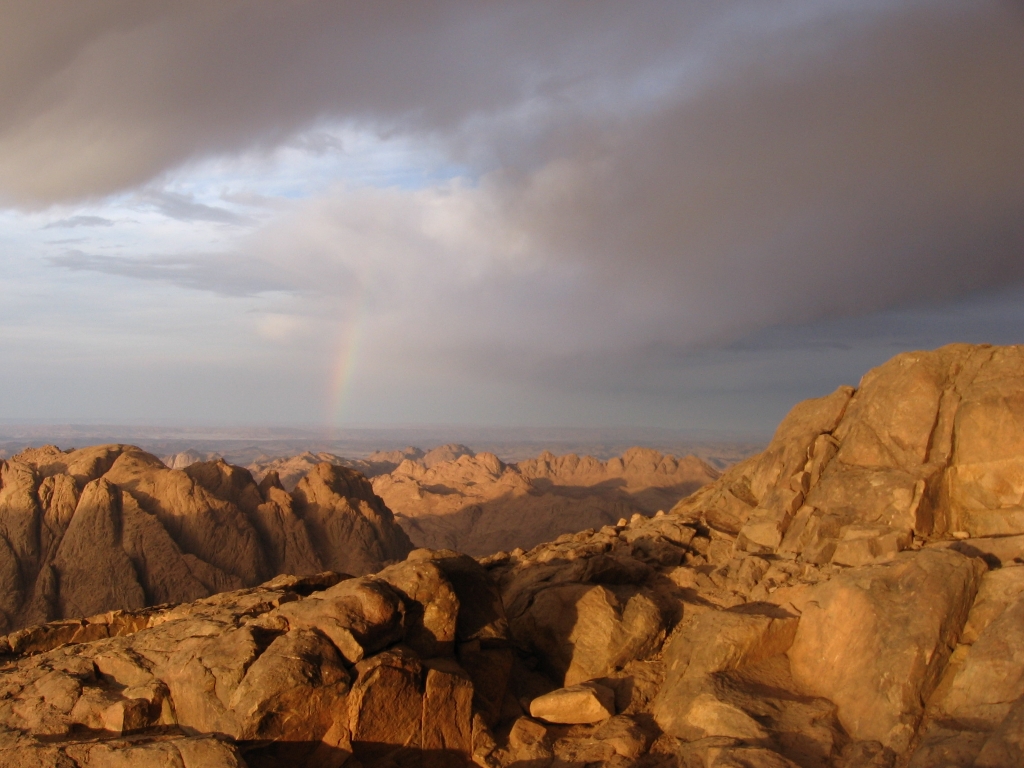
The mountain is sacred at once for three religions: Christianity, Judaism and Islam. According to biblical tradition it was on the summit of this Egyptian shrine that Moses received from God the tablets with the Ten Commandments. It is believed that this event took place at dawn, a time that symbolizes renewal and cleansing. That is why ascents to the mountain usually start at night to meet the first rays of the sun exactly on the summit. In addition to spiritual significance, the night ascent also has a practical reason: during the day climbing is very hard because of exhausting heat.
In Christianity it is believed that this is the place where God gave people the Law and revealed His will. In Islam Sinai is known as Jabal Musa – it was here that Allah addressed the prophet Musa (Moses) and gave him the Law. The exact location of the biblical Mount Sinai still causes disputes. The most widespread version is Jebel Musa on the Sinai Peninsula in Egypt. Other theories name Mount Serbal also on Sinai or Jebel al-Lawz in Saudi Arabia. There is no scientific evidence in favour of a particular place and in fact discussions continue to this day…
People do climb here… and the ascent turns out to be quite exhausting. That is why we have prepared a separate programme that will be an excellent choice both for beginners who are only discovering the world of mountaineering and want to try their strength in rock ascents, and for those who already have experience and strive to discover a new region. Here there will be routes for every taste and level of preparation.
This land of deserts and mountain ridges is characterized by a subtropical desert climate with striking temperature drops. In summer the air heats up to a scorching +40 °C, whereas winter nights in the mountains can cool down to −5 °C. Precipitation is very scarce here, and summer is usually very arid. By the way, it is on Sinai that the coldest nights in Egypt are recorded. In spring, especially in March–April, daytime temperatures usually stay within +15…+19 °C. The best months for a journey here are spring and autumn, when the climate is most comfortable for sightseeing.
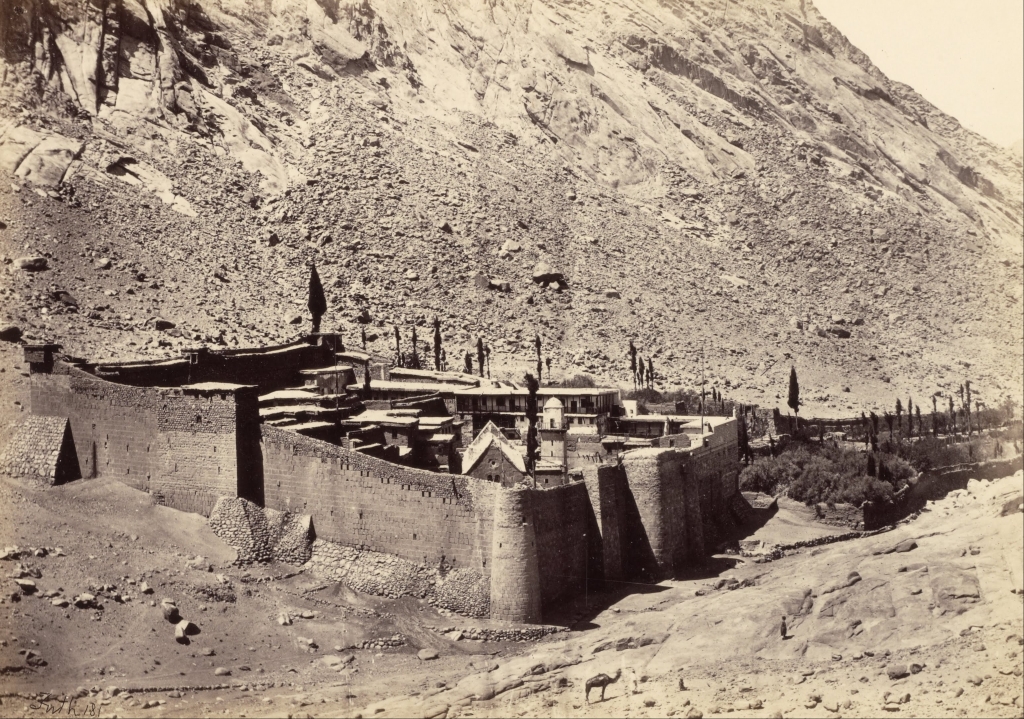
At the foot of the mountain stands the Monastery of Saint Catherine, built in the 6th century by order of the Byzantine Emperor Justinian I. It was founded on the spot considered sacred – it was here that Moses saw the burning bush – the Burning Bush – and heard the voice of God. The place is famous for its unique library, an exceptional collection of icons and the relics of the holy great-martyr Catherine of Alexandria.
Ausangate is a mountain that the Quechua people have long considered sacred. It is the highest summit of the Cusco region, rising to 6,372 metres above sea level. In the myths of the Incas Ausangate symbolizes the source of masculine power that nourishes and blesses Pachamama – Mother Earth and the progenitress of all living things. It embodies the spirit of protector and provider: rivers that carry water to fertile valleys are born from Ausangate’s glaciers.
One of the most revered mountains of Peru is located in the south-eastern part of the country, in the Cordillera Vilcanota, and is part of the Peruvian Andes.

Do you want to learn the details of a special mountain landform called “sheep foreheads” (barraniache chola)? With KULUAR you can take the route – Trekking in Peru: Machu Picchu, Salkantay Valley, Ausangate Trek, which almost closes a circle around this sacred summit (similar to the pilgrimage path around Kailash).
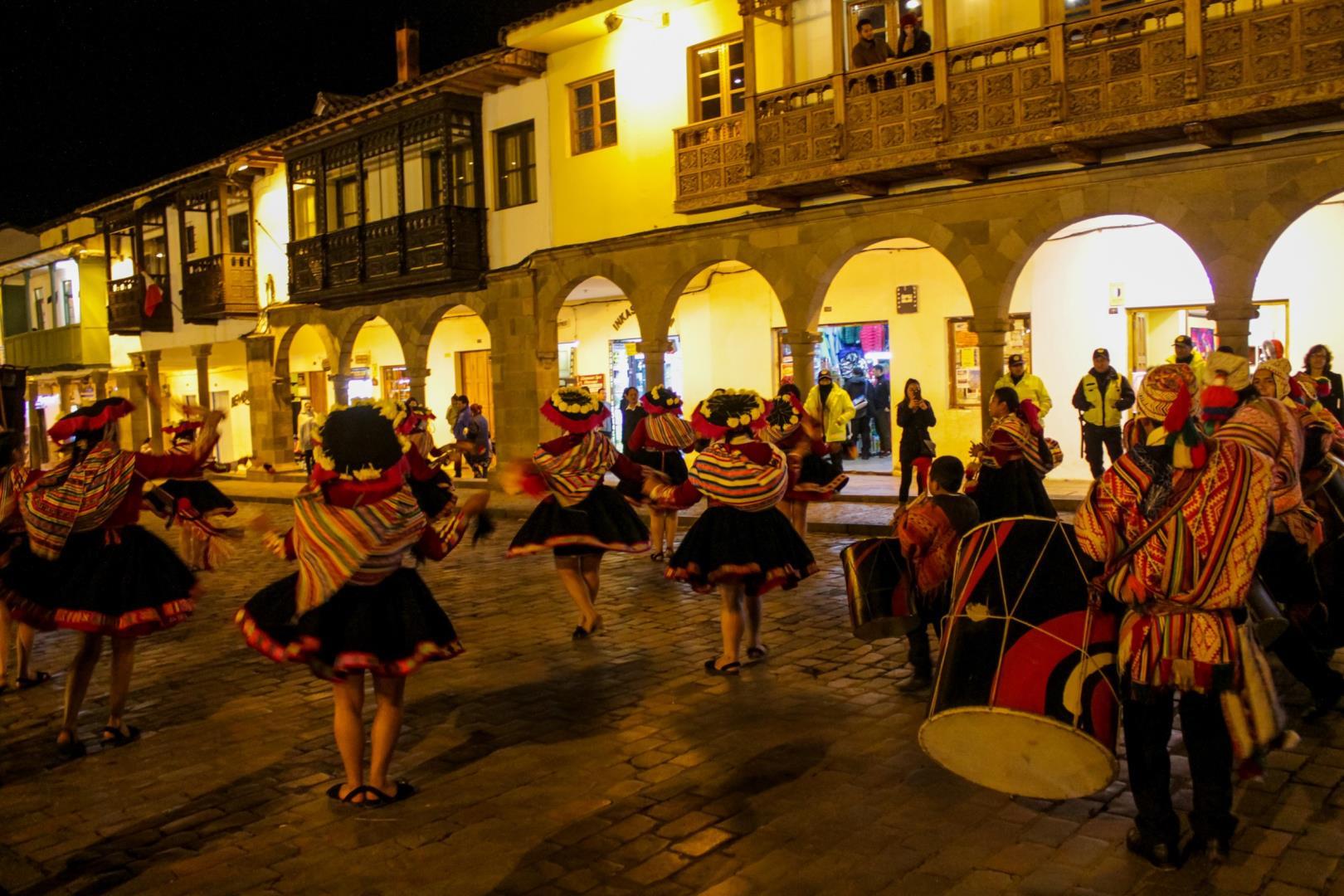 The most famous festival associated with the mountain is Qoyllur Rit’i – a centuries-old festival held annually at its foot at the end of May – early June. This is a pilgrimage in which thousands of people from all corners of Peru ascend to the sacred glaciers of the mountain. They bring gifts to the mountain spirits, pray for well-being, harvest and health, and take part in dances and night processions with lights.
Although at the beginning of the 1980s Bhutan briefly opened its doors to mountaineers, by the middle of the 1990s ascents of summits higher than 6,000 metres were already forbidden. And since 2003 mountaineering in the country has been completely stopped. This decision was not accidental – thus the Bhutanese expressed deep respect for their traditions and beliefs. For local communities mountains are not just stone and snow, but sacred homes of deities and guardian spirits.
The summits are left untouched to preserve their spiritual power and to pass this heritage to future generations. Bhutan became the home of Gangkhar Puensum – the highest untouched summit in the world (7,570 m). Its name means “White Summit of Three Spiritual Brothers”.
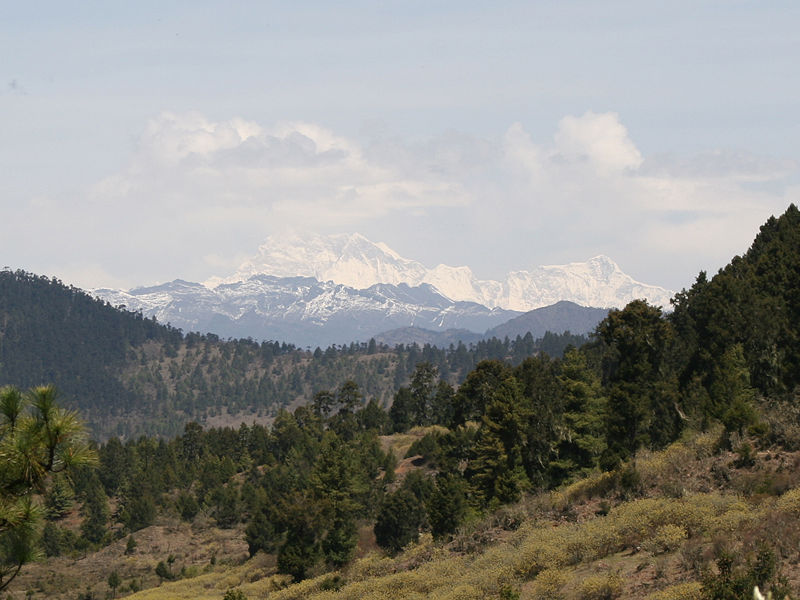
The special attitude to mountains in Bhutan is closely connected with Vajrayana Buddhism – the main religion of the country. According to Bhutanese belief it is on the summits that guardian spirits dwell, who protect the valleys, people and nature. To disturb the peace of these mountains means to disturb the harmony between human and higher forces.
There are also about 19 seven-thousanders in Bhutan, most of which are sacred.
Many countries and their faiths have their own sacred mountain – a place enveloped by holy beliefs and legends. Yet the true sanctity of these summits remains unknown to those who see them only in photos. Only by approaching them and feeling the energy of these places can one truly understand the depth of faith and spiritual grandeur that cannot be conveyed in words – it can only be felt. Each of them has its own history that passes through the essence of a nation…
For example, Mount Olympus in Greece was considered the home of the gods headed by Zeus – from its summit they supposedly ruled the world… Mount Agung in Indonesia is considered so sacred that the inhabitants of Bali, it is said, build their houses so that the main entrance faces exactly toward it. And how can one not recall Lalibela in Ethiopia. Its complex of monolithic Christian churches is carved directly into red volcanic rock. According to legend, they were built in the 12th century by King Lalibela, to whom God appeared and ordered him to create a “new Jerusalem” – a place of pilgrimage for believers who could not reach the Holy Land, captured by Muslims.
All 11 churches of Lalibela are located in close connection with each other, connected by underground tunnels, sacred pools and passages – and all this is created in rock, without additional materials. Fascinating!
So, as you can see, the sacred mountains of the world are centres of spiritual power, places of pilgrimage and sources of inspiration for millions... From Kailash to Machapuchare, from Meru to Sinai – each keeps ancient secrets and urges inner harmony. With us you will learn the power of these sacred places and discover their true essence.
For if to the mountains – then with Kuluar!