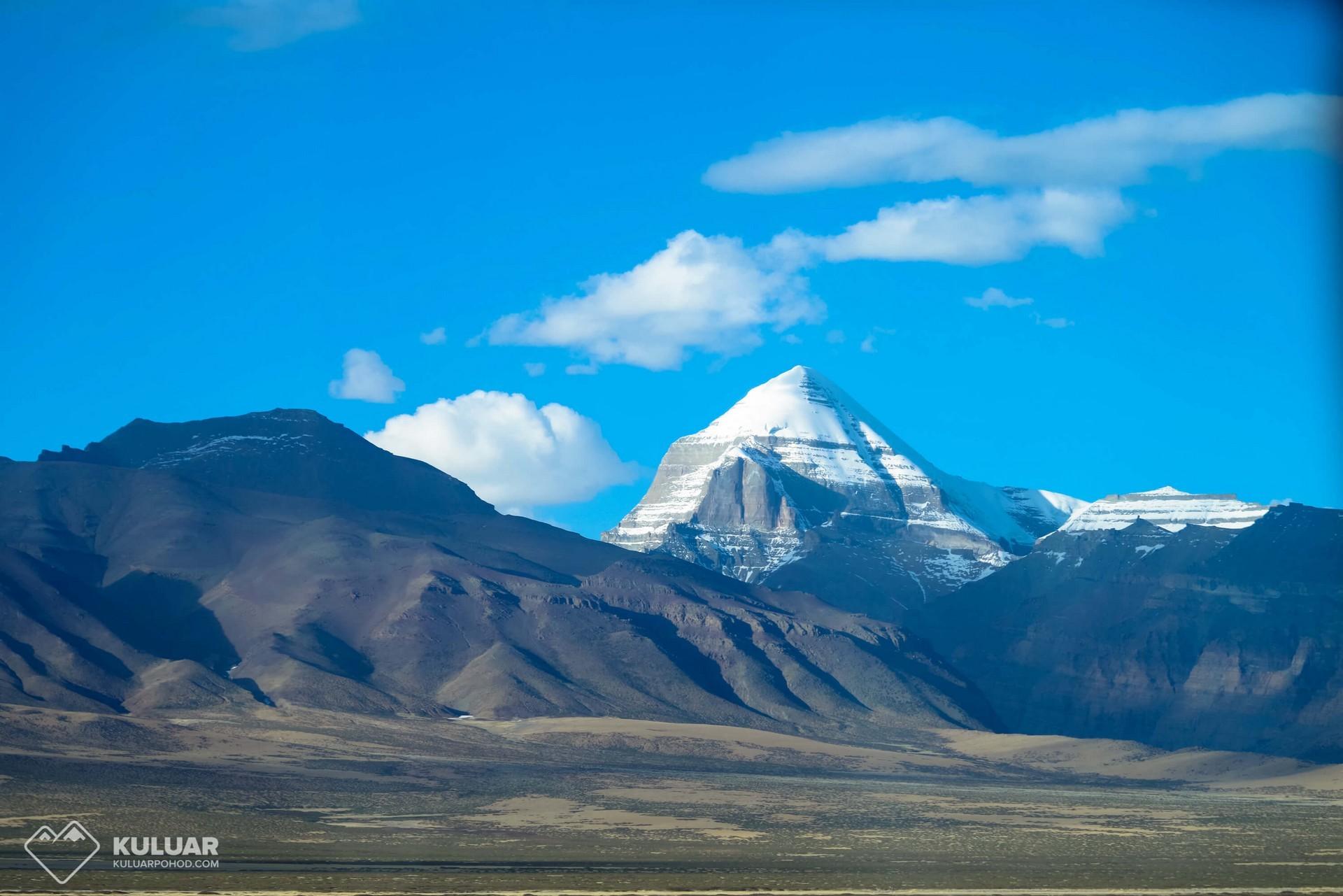
Rising to an elevation of 6,638 meters in Tibet, it is at the same time a sacred site for four religions: Hinduism, Buddhism, Jainism, and Bon. One of the oldest pilgrimage routes in human history, it sees thousands of pilgrims each year completing the kora (ritual circumambulation) around the mountain, believing that by accumulating merit, they purify their karma and move closer to enlightenment. Mount Kailash is so steeped in mysticism that it seems nature itself protects it from human intrusion. Its summit remains concealed by clouds, like an unreachable throne of the gods, and those who have tried to venture beyond set boundaries have been halted by an invisible force beyond understanding. Legends, ancient religious beliefs, and unexplained phenomena that elude scientific reasoning make Kailash a place where the line between the real and the supernatural fades away.
That is why KULUAR is delighted to invite you on a journey to Tibet to complete a kora around Kailash – or simply to revel in an incredible trek through Nepal, depending on which experience calls to you most. And the magic begins right now! 💚 🏔
For millions of people belonging to four major Eastern religions, Mount Kailash is the spiritual center of the universe. In Hinduism, it is the home of the god Shiva, who meditates on its summit. In Tibetan Buddhist cosmology, it represents the symbolic axis of the world, the center of the Earth, and a sacred site associated with many significant yogis of the past. Jains believe that their first saint (Mahavira) attained enlightenment here, while for the Bon tradition, Kailash is the place where life itself was born.

Precisely because of its profound importance, no expedition has ever been granted official permission to climb this mountain. Still, there were those who attempted to circumvent the ban…
The legendary mountaineer and Tibet researcher Reinhold Messner, the first person in the world to ascend all fourteen of the planet’s 8,000-meter peaks, received an honorary permit from China in 1985 to climb Kailash. However, after some time, he changed his mind and refused, stating that such an attempt would be a spiritual violation.
In 2001, a group of Spanish climbers secured permission to attempt, so to speak, “conquering” the summit. Yet due to strong protests by Tibetans and Buddhists worldwide, the expedition was canceled before it even began.
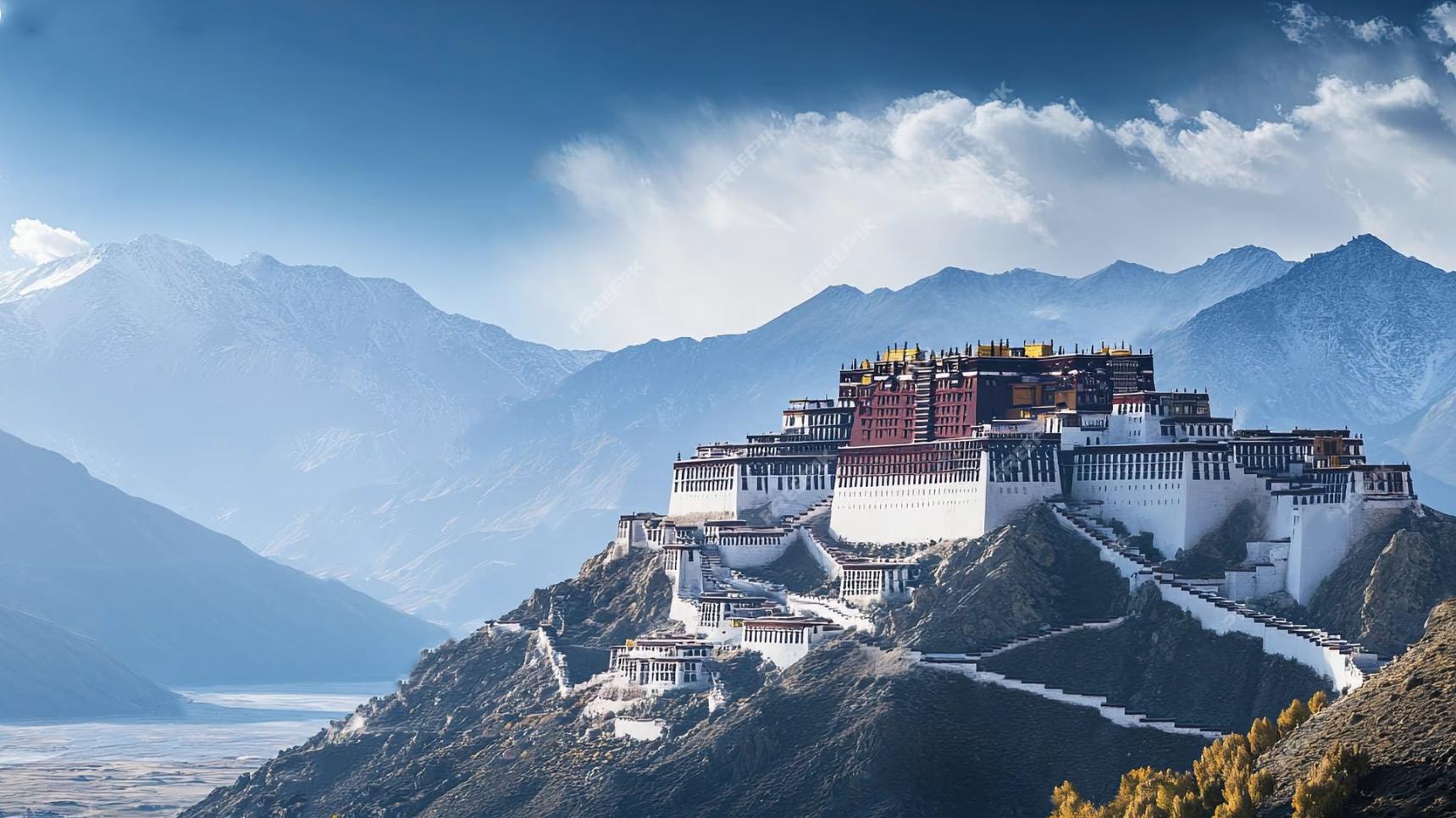
So, is this mountain truly protected by supernatural powers?
Scientists offer their own explanations. Geologists claim that its shape resembles a perfect four-sided pyramid, and snowflows on its slopes form natural swastikas – an ancient symbol of harmony. Others point out that Kailash is geographically aligned in an ideal way with other sacred places on the planet, giving rise to theories about its “energetic power.”
Whether it is mysticism or ancient legend, Kailash remains untouched and “unconquered” by humankind.

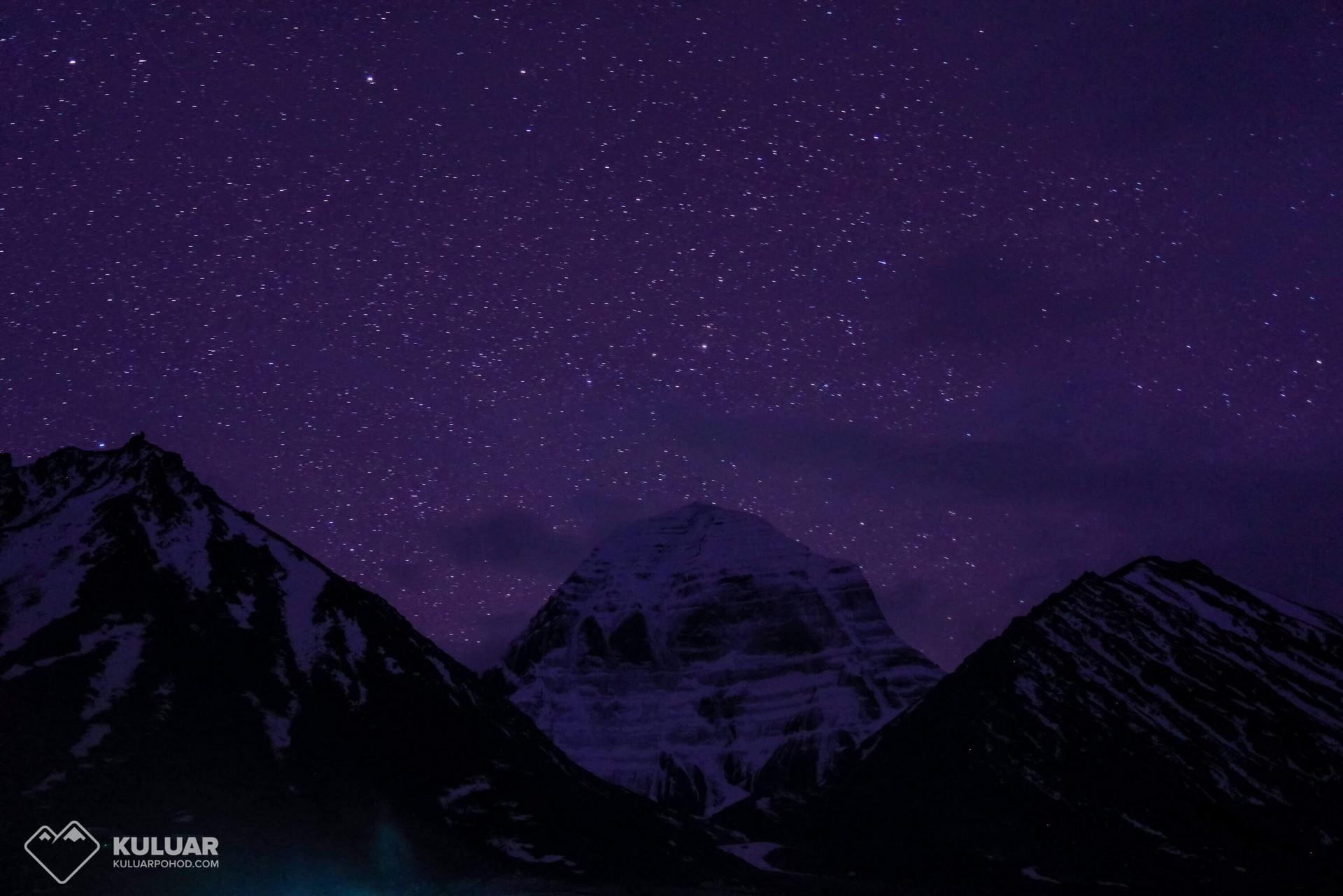
A wandering mountain – that is how Kailash is described in certain legends. Some say that near it, one feels disoriented, as if the surrounding landscape begins to shift. Others claim that the mountain itself moves, changing its position relative to the stars. Is there any truth to this? Each visitor sees it in their own way. Perhaps you need to experience it firsthand to know for sure.
What else attracts people to this place?
The list of Kailash’s fascinating facts and legends could go on and on. Together with its breathtaking beauty, these stories only deepen the desire to experience it in person. Regardless of whether you wish to visit as a pilgrim or an adventurer, KULUAR invites you to explore its mysteries and form your own understanding of its profound significance.
It is believed that circling (kora) around the mountain allows one to accumulate merit and purify unfavorable karma. There are two main pilgrimage routes: the Outer Kora and the Inner Kora. Let’s examine them more closely.
The Outer Kora covers 53 km. Although it is not technically demanding, there is considerable elevation gain that adds challenges. On average, you will walk about 16 km per day, with altitude changes of approximately +700/-900 m. Thousands of pilgrims and travelers complete this route each year, as it is believed that one full circuit purifies karma, and 108 circuits lead to spiritual enlightenment!
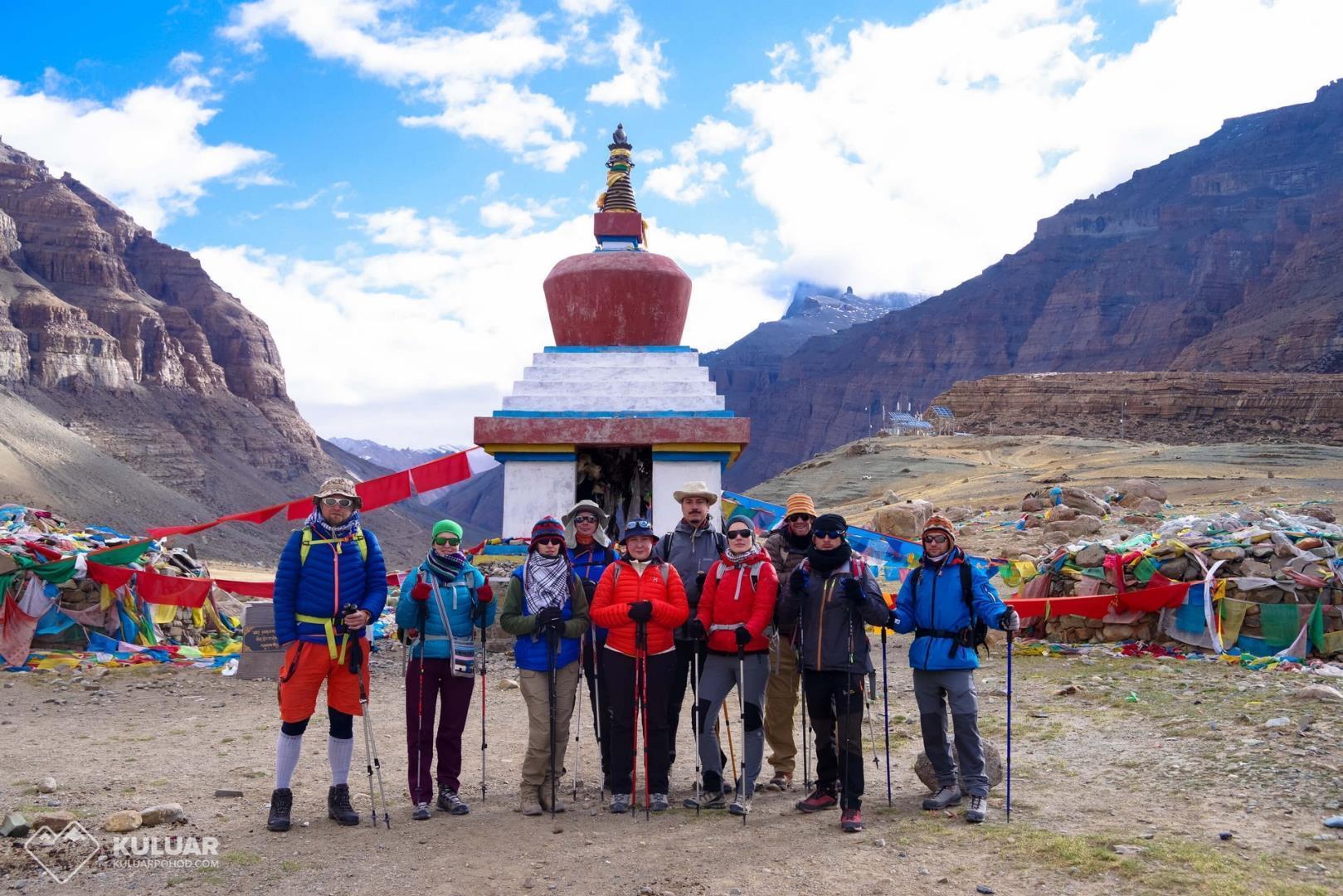
What will happen to you along the way? Even when traveling in a group of like-minded people, each person remains alone with their thoughts and their search for personal answers… In a way, it’s a spiritual journey – a small lifetime – where you may experience change, transformation, and perhaps even rebirth.
At sunrise, moving clockwise (according to Buddhist tradition), the first kilometers of the kora run alongside the Lha-Chu River, which has carved an astonishing canyon in the red stone walls covered in layers of colorful minerals. The mountains here are massive, austere, and at the same time incredibly beautiful – they captivate at first sight. The path leads to Tarboche Monastery (4,750 m), next to which stands a famous site for sky burials.
Farther on is Chuku Monastery… Caves in the surrounding cliffs once served as meditation sites for Tibetan mahasiddhas, including the legendary yogi Milarepa. Very close by are three mighty peaks referred to by Tibetans as the “Goddesses of Longevity,” and between them, shining in the sunlight, is the Rigden Djapo Waterfall – another gem of this route.
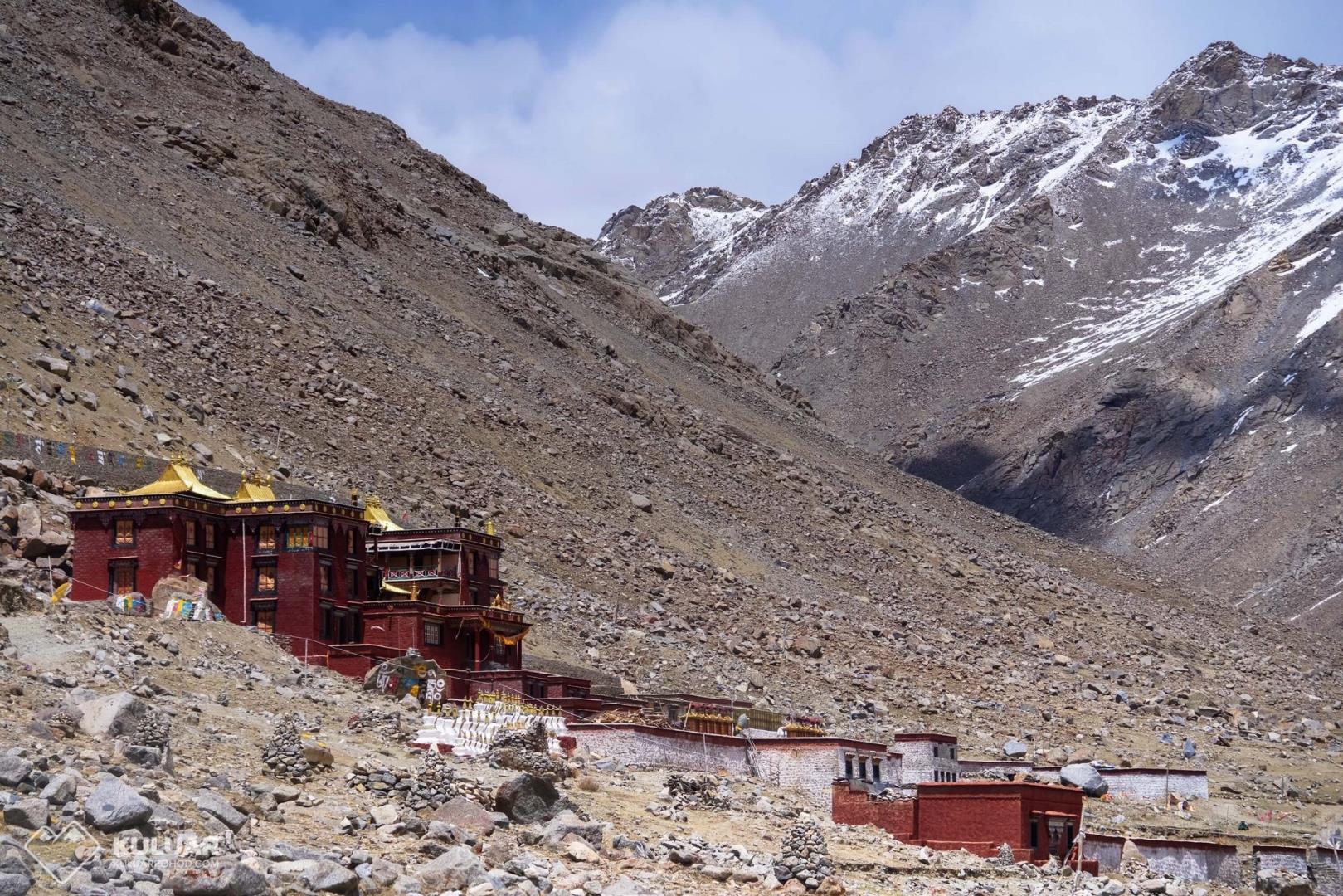
Next, you come to Chaktsal Gang, from where you have a view of the Western Entrance (nubgo) of Kailash – a mysterious portal said to lead inside the mountain’s Inner World. According to local belief, only a chosen few can enter this underground realm…
A real highlight for photography is the majestic panorama of Kailash’s North Face, which you will see near Dira-puk Monastery (around 5,000 m). Three special peaks dominate the scenery: on the left, Chana Dorje (Vajrapani); on the right, Chenrezig (Avalokiteshvara); and deeper within Kailash, a sacred peak associated with Jampelyang (Manjushri). It’s hard to put into words – you really have to see it with your own eyes!

An interesting fact is that Dira-puk Monastery was built around the cave of the yogi Gotsangpa, who is considered the pioneer of the pilgrimage kora around Kailash. According to legend, it was a dakini – a spiritual being in female form – who guided him here, appearing in the guise of a yak. In fact, the name of the monastery comes from the Tibetan words “dira” (the horn of a female yak) and “puk” (cave).
What’s next? Oh, next comes the Drolma La Pass (5,630 m) – the highest point on the route… It is said that this is where your old life ends and a new one begins. After crossing it, you symbolically pass through the gate of rebirth, gaining the chance to start anew. According to tradition, people hang “lungta” prayer flags here, allowing the wind to carry these blessings around the world. The route continues past Lake Gauri Kund and Zuthul-puk Monastery, which preserves the footprints of Guru Padmasambhava and his consort Yeshe Tsogyal, as well as the promise of a genuine cup of salty tea with milk and butter!

The Inner Kora is off-limits to anyone who has not completed a certain number of Outer circuits (the required amount varies by spiritual tradition). It stretches about 28 km. Typically, it can be done in a single day, but due to altitudes reaching 6,000 m and the challenging terrain (ice and snow), it requires solid preparation. However, you won’t need any specialized gear – just good mountain boots and warm clothing. Gyandrak Monastery, Serlung Monastery, and the Thirteen Pagodas are three of the most significant religious sites on the Inner Kora route.
Northeast of Darchen, among all the monasteries surrounding sacred Mount Kailash, Gyandrak Monastery is the largest. It is surrounded by caves of curious shapes. Opposite it lies Serlung Monastery, offering a beautiful view of the mountain’s southern face.

The Thirteen Pagodas constitute the most challenging and astonishing part of the Inner Kora. These structures hold the dharmic bodies of thirteen masters of the Tibetan tradition. Each pagoda is crowned with gold and ribbons. Reaching them is a task for the truly daring: you must scale a steep cliff over 100 meters high. Few manage to ascend and pay homage at this sacred site.
The Kuluar Tourist Club offers a tour following the route of the Outer Kora around Kailash. This is no ordinary journey to one of the planet’s most enigmatic and sacred corners, but a true expedition, filled with profound discoveries and vivid impressions! KULUAR’s experienced team leader and outstanding photographer, Anastasia Domanova, knows this region like no one else. You will not only feel the energy of these sacred places, but also return home with professional photographs to treasure forever. Fascinating stories about Tibetan culture, traditions, language, and beliefs will immerse you in a completely different world, while unique facts about the geological history of the Tibetan Plateau will give you a fresh perspective on these areas. And that’s not all! You will learn breathing techniques that make acclimatization easier, improve your adjustment to high altitudes, elevate your mood, and so much more. Just read the reviews to see for yourself!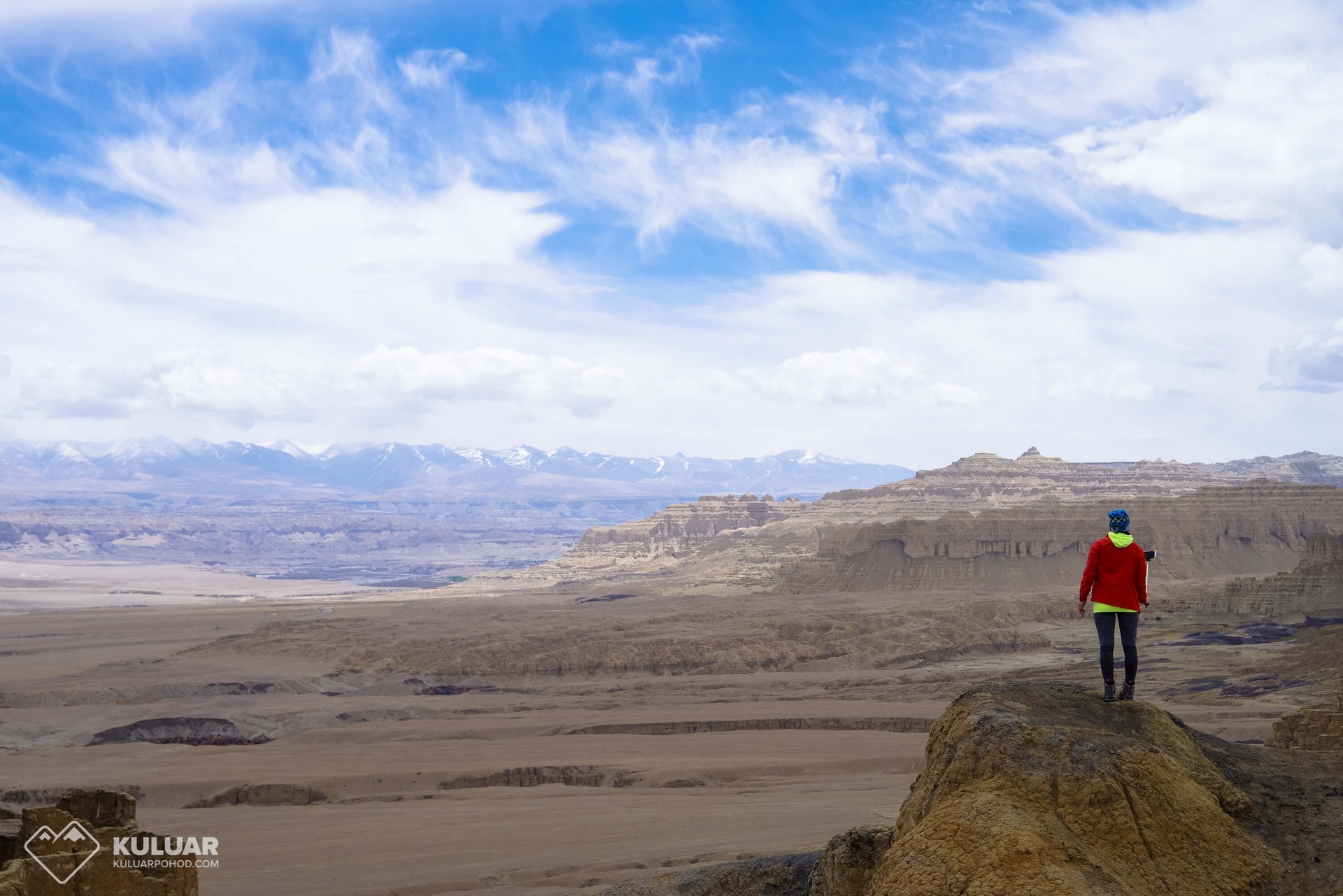
During the three-day journey around the sacred Mount Kailash, you will fully experience the authentic atmosphere of the Himalayas, staying in traditional guesthouses or monasteries. These are places where the silence of the mountains prevails, and the night sky shines with countless stars. Although the conditions here are quite basic – rooms without heating, designed for 3–5 people – this kind of lodging allows you to feel the true spirit of pilgrimage and come closer to the ancient traditions of this sacred site. There are simply no other accommodation options in this high-altitude region, which is part of its uniqueness.
So, the journey begins! The first step is to fly into Kathmandu. We recommend purchasing your tickets in advance. As soon as Kuluar’s managers confirm your participation in the trek, go ahead and book. The most convenient airlines are Air Arabia and FlyDubai; it’s best to buy tickets directly on their official websites. From there, a KULUAR team leader will meet you at the airport and arrange your accommodation.
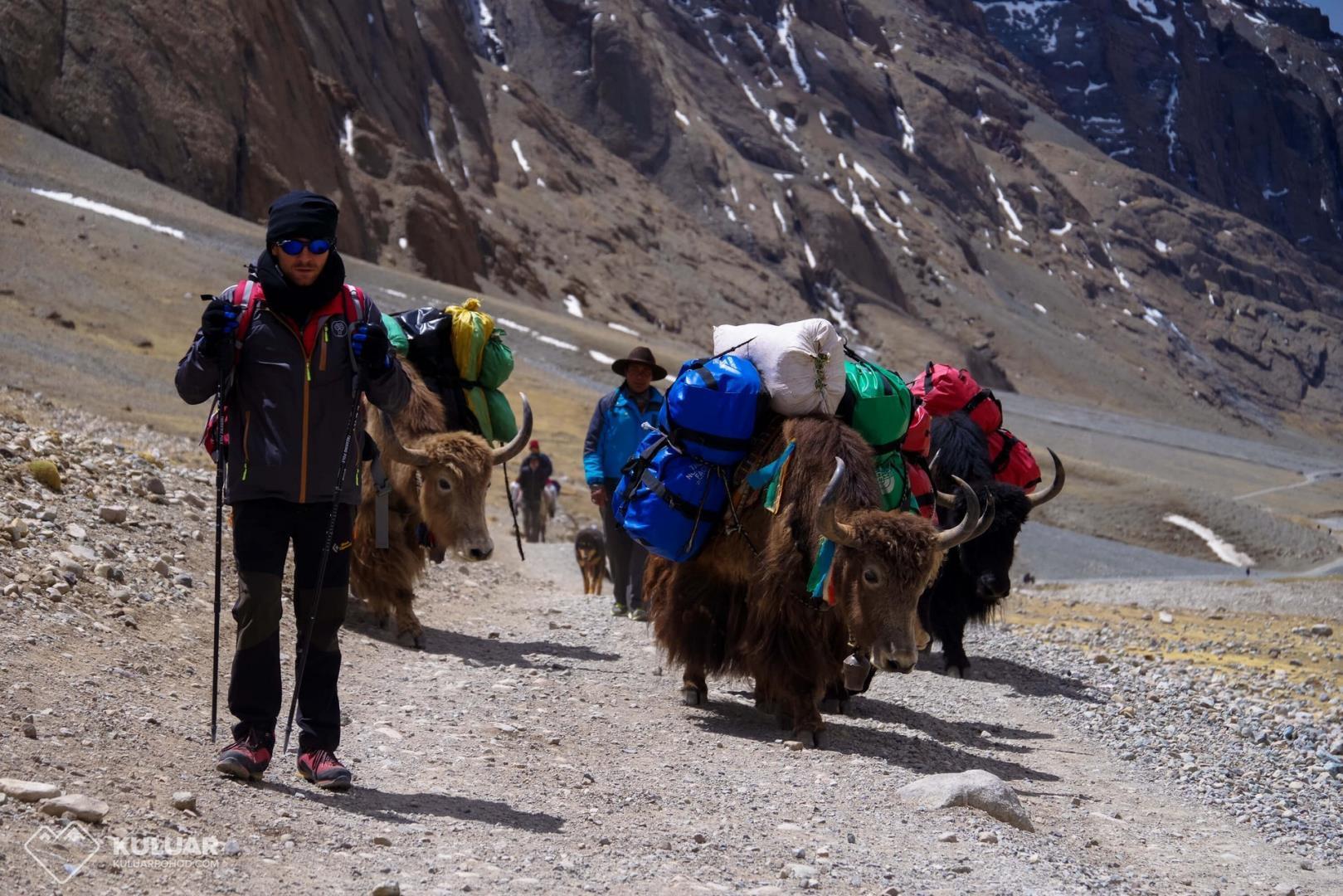
What items should you bring? Remember that the average altitude of the Tibetan Plateau (the highest plateau in the world) is 4,200 m, which naturally affects weather conditions. Daytime temperatures hover around +15…+20°C, but at night can drop to 0°C, and on the Kailash kora, even lower.
From May to September, precipitation is rare in Tibet (the Transhimalayas). That is why Kuluar organizes trips to Kailash during this period. Unlike Nepal’s humid climate, Tibet is in the “rain shadow” of the Himalayas, which block most clouds. This creates drier and more predictable weather, making for a more comfortable trip, although abrupt temperature fluctuations remain a characteristic of this region.
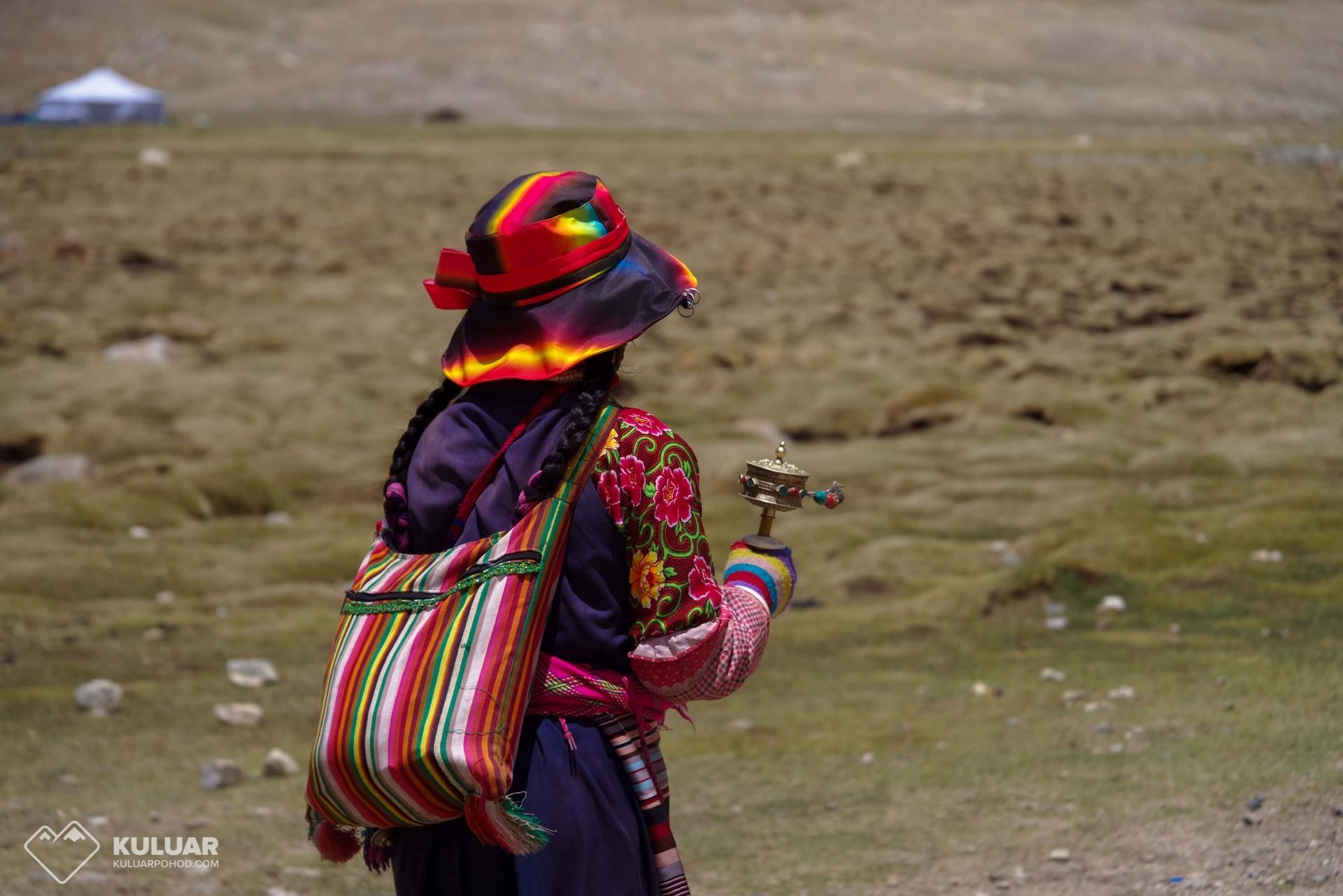
As for gear – understanding the three-layer clothing concept is essential.
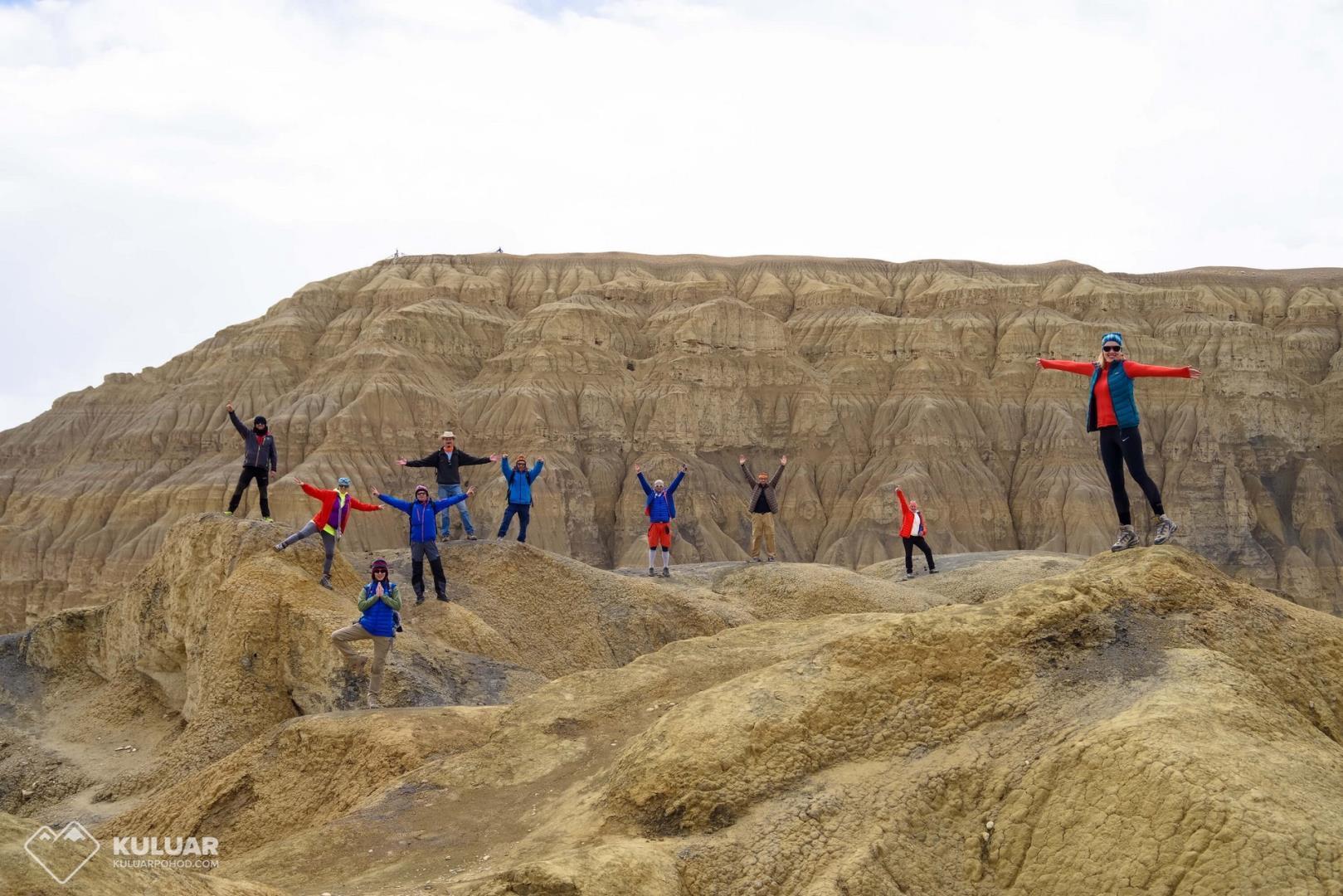
After completing the kora around Kailash, people come back changed – with stronger bodies, clearer minds, and a fresh perspective on the world. For this journey is not merely a route through physical space, but a journey into the depths of one’s own soul.