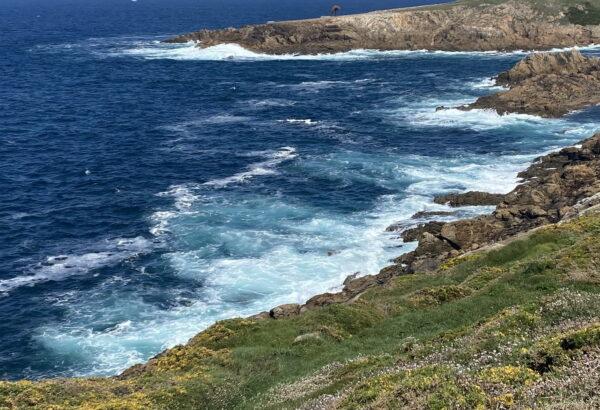

“One day the Path will call you!
It will open with new hope, new meaning, new life.
It is up to you to decide whether to respond to this call.
But it will hardly be possible to silence it”
Thousands of people, seeking inner peace and self-discovery, walk the most famous pilgrimage route of St. James every year, which leads pilgrims to the city of Santiago de Compostela in Spain. Finding oneself through this journey is an integral part of being and has been a concern of humanity for centuries. It is gratifying, especially today, when technology and transportation make it possible to quickly and easily get to most of the desired locations, rather than walking hundreds of kilometers. But people still continue to explore the possibilities of their minds and bodies, like medieval pilgrims walking the legendary Paths.

St. James's Way on the map
Take a look at the top left of the map of the Iberian Peninsula. It is there, in the northwest of Spain, in the autonomous community of Galicia, which is washed by the Atlantic Ocean to the west, that the city of Santiago de Compostela is located. Dozens of the oldest trekking routes in Europe stretch here, the first of which is over 1000 years old. These roads are united by the name El Camino de Santiago, that is, the Way of St. James. It leads to the Cathedral Basilica, where, according to legend, the Apostle James, the main character of our article, is buried.
Over the centuries, El Camino de Santiago has become a UNESCO World Heritage Site. This recognition emphasizes its importance not only as a religious path, but also as a cultural phenomenon that spiritually unites people from different parts of the world.
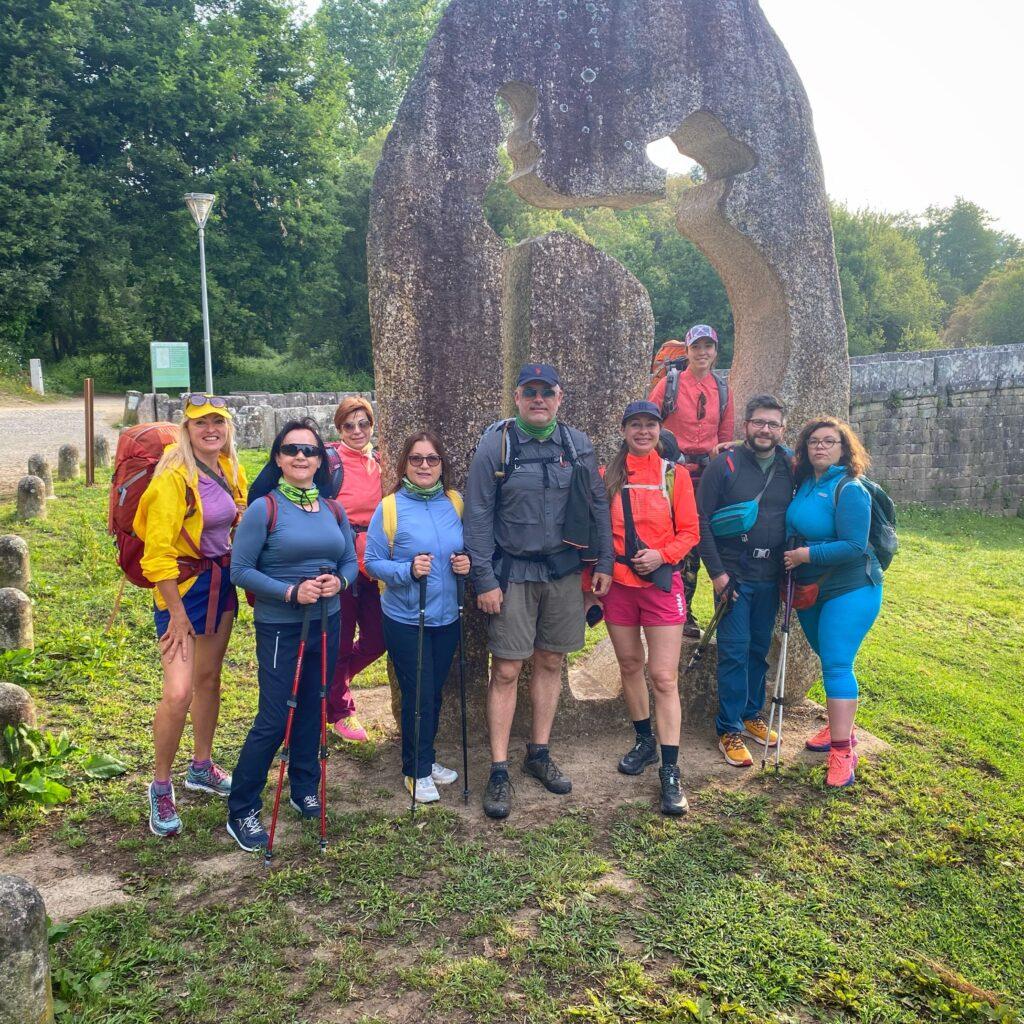
Just take a look at the landscapes through which the local trails run:

Pilgrim's journey map
The uniqueness of this St. James Road lies in the amazing diversity of nature and the unsurpassed views of the Atlantic Ocean. It passes through:
White sand beaches, picturesque medieval fishing villages and remote coasts... All this creates a special atmosphere for self-reflection, meditation and concentration.
Read how to set off on such a track with KULUAR on the description page of the St. James's Way through Spain.
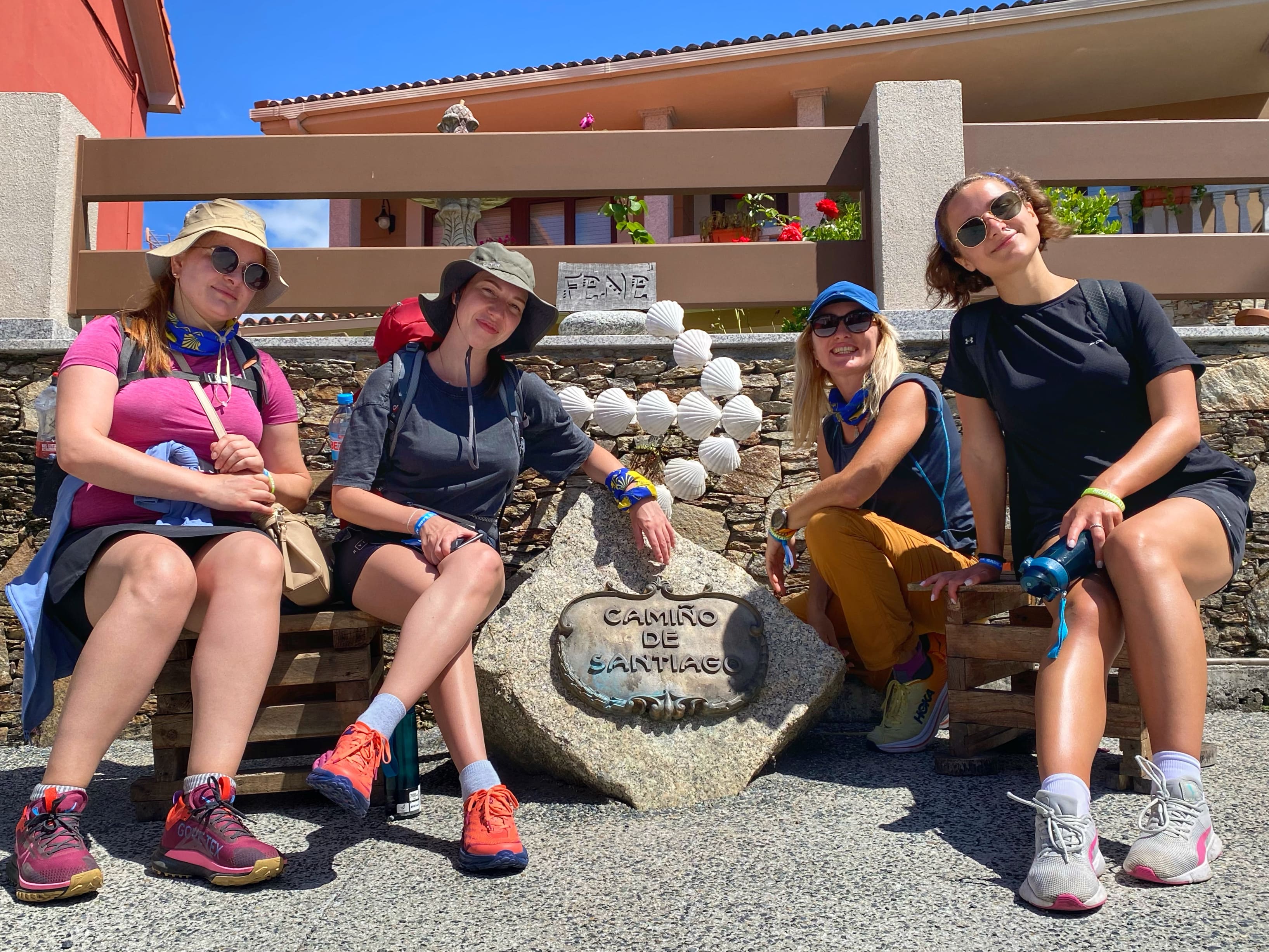
Completion of the routes can be viewed in two ways - "Hooray, I did it!", or "Hmm... the soul demands continuation" 😉 Of course, this is not a problem - then go to Finisterre.
The English Camino Inglés starts in the town of Ferrol and is 119 km long. The Way of St. James from Ferrol to Cape Finisterre is an incredible journey that combines interesting history, fascinating culture and incredible nature. From one coast to the other, this route gives you a unique opportunity to experience the true essence of pilgrimage. You will see the most beautiful corners of Galicia and end your journey in a place that used to be considered the end of the world. Unforgettable impressions and spiritual enrichment are guaranteed!
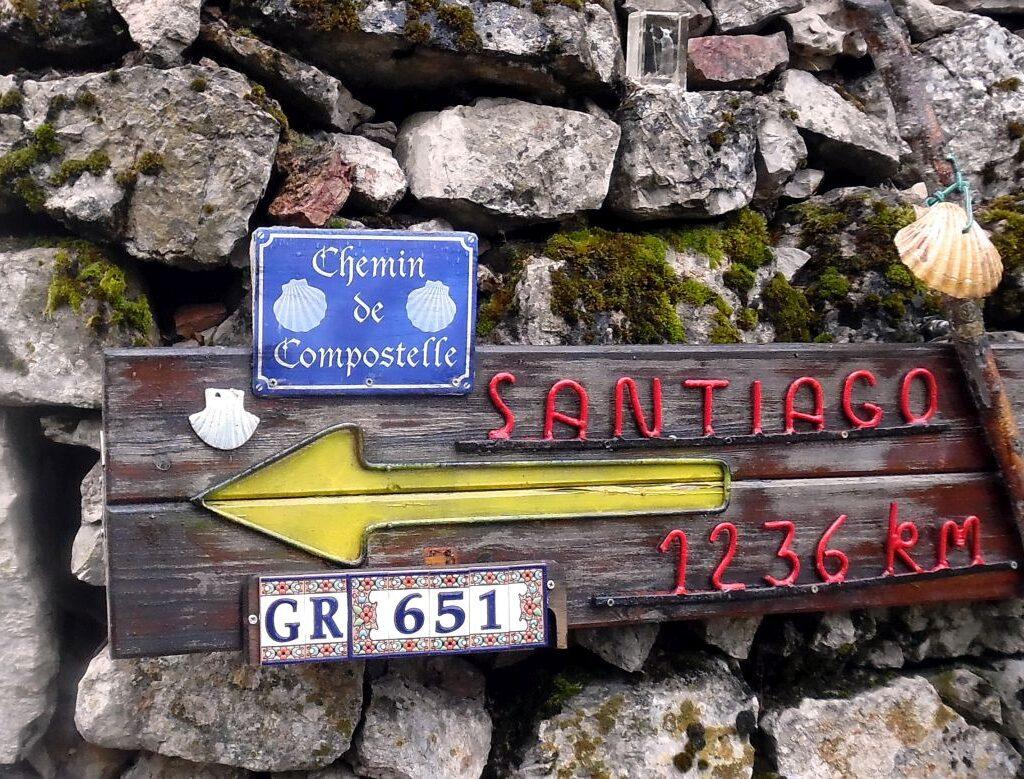
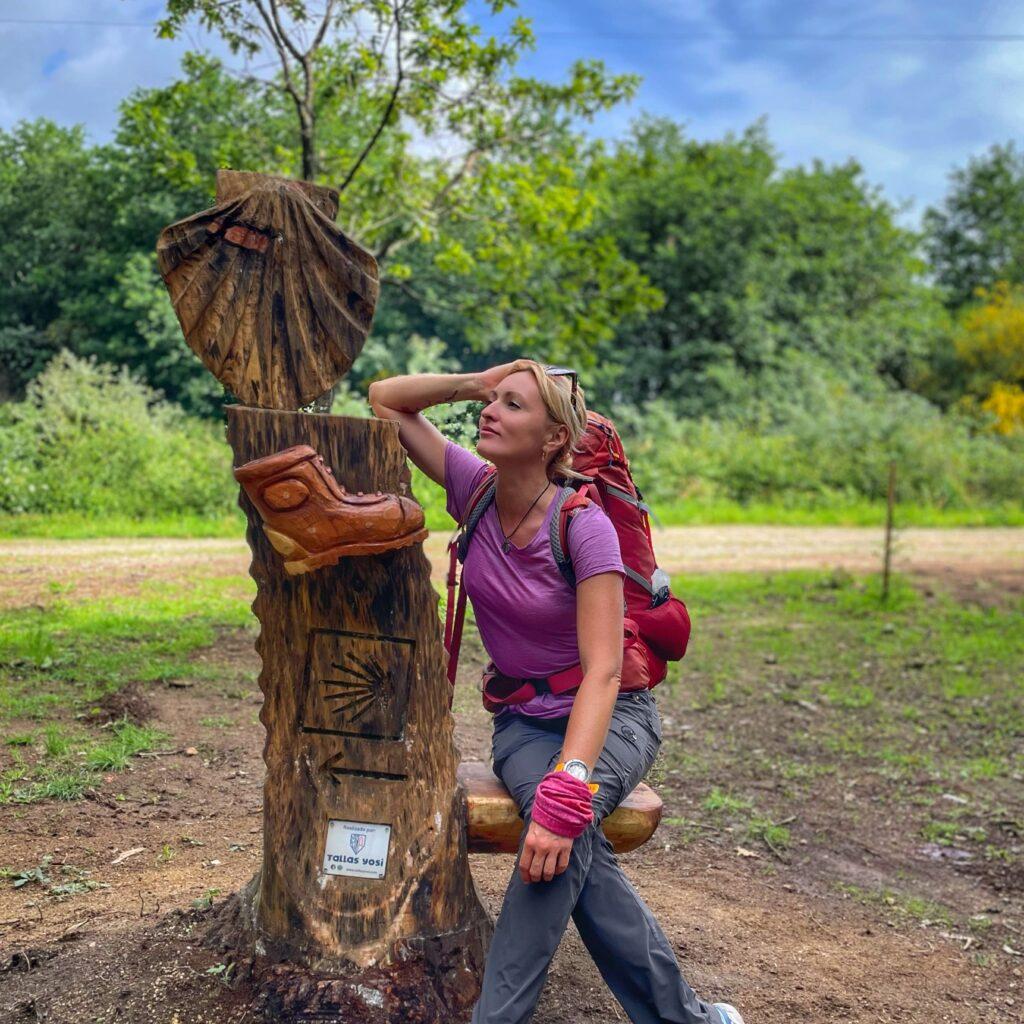
According to legend, at the beginning of the first century AD, St. James made a long journey from Jerusalem to the western edge of Europe. As proof of this, the apostle brought a sea shell, which later became a symbol of the El Camino de Santiago. Since then, he has been considered the patron saint not only of pilgrims and travelers, but also of the whole of Spain.

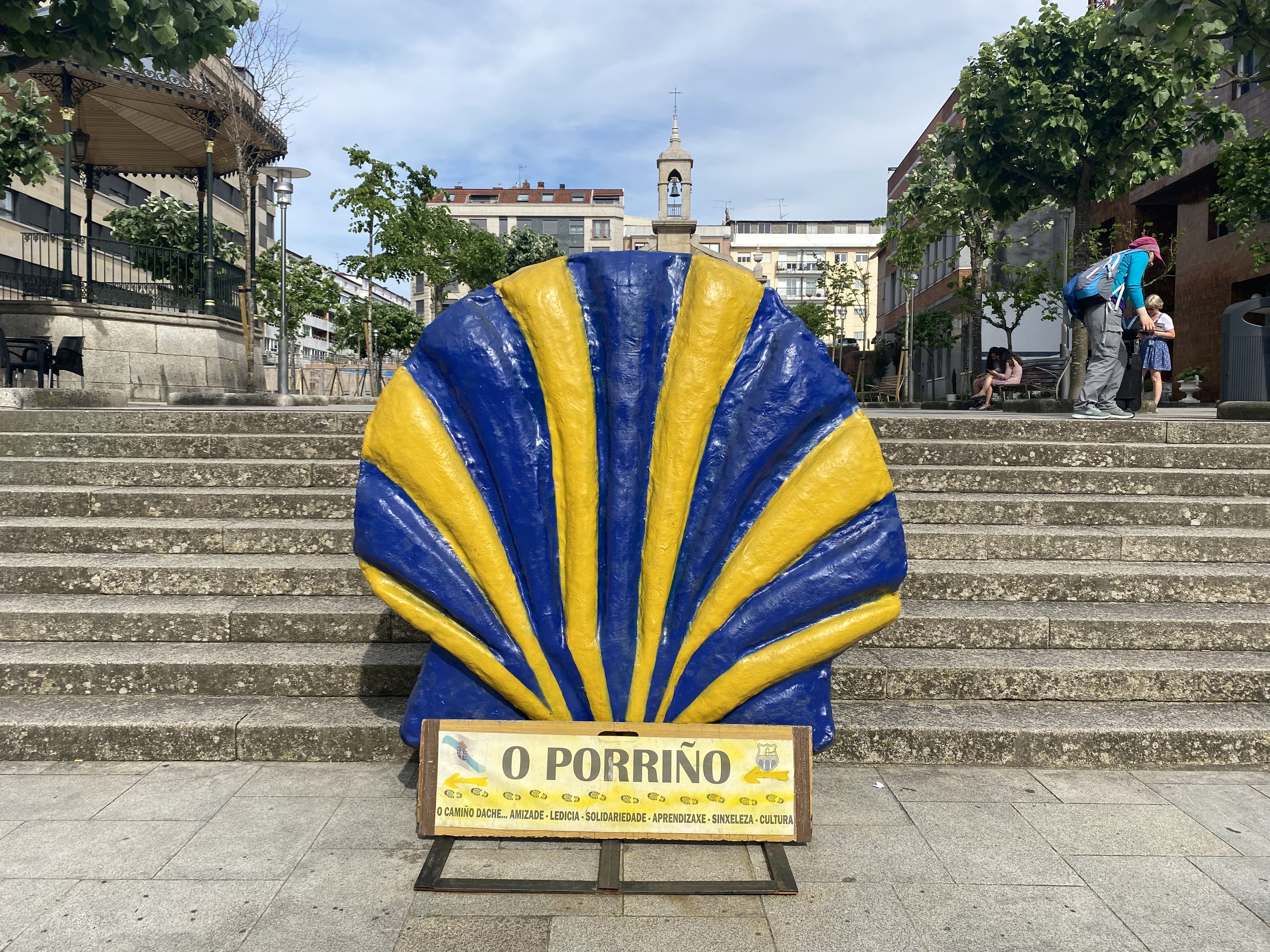
An interesting fact: the symbol of the Way of St. James is a shell. It represents traveling and the search for spiritual meaning, and also serves as a guide for pilgrims along the routes. "Why the seashell?" - you may ask. Let us explain! In the Middle Ages, the ocean's gifts had a practical meaning: travelers used them to collect water from springs or to use as plates for food. The shells also served as a confirmation that the pilgrim had reached the end point, because such "artifacts" could only be found on the coast of Galicia.
According to history, one of the first pilgrims was Bishop Gottschalk. In 950, he traveled from France to Compostela. In the XI century, the main directions of this route had already begun to form, and in the XII century the Pope himself began to grant indulgences to those who walked the Way of Santiago. Naturally, everyone wanted to experience the sacrament of reconciliation and forgiveness of sins, so this event caused a huge flow of travelers to Western Spain. The monasteries' buildings were enlarged to accommodate the large number of visitors. The burial place of the apostle became such an important relic that in the Middle Ages it was the third most important for the Catholic world (after Rome and the Holy Land).
After the plague epidemic and a series of wars in the 16th century, pilgrimages to Santiago de Compostela declined significantly. The path taken by such famous figures as King Edward I, King Jean de Brienne of Jerusalem, and Francis of Assisi was long forgotten.
But in the nineteenth century, scientists rediscovered El Camino de Santiago. The reason for this was the numerous monuments of the Middle Ages, which, despite everything, continued to flaunt along the routes. The revival of interest in the Way of St. James was a new impetus for pilgrimage and an even more detailed study of its power and history.
Until the 80s of the XX century, the number of travelers was scarce, but gradually began to increase. This was facilitated by the travels of Pope John Paul II and Paulo Coelho. After the publication of his book The Diary of a Magician, the lines of seekers of solitude, answers to questions, and travel romance stretched out again.
Today, there are more than a dozen marked trails to Santiago de Compostela from different European countries. But it is the Spanish roads that are the most "found" and equipped. Only the Portuguese Way (Camino Portugues) from Porto can compare with them. Each option has several directions, so you can safely choose the road that suits you best. For example, the aforementioned Camino Portugues has three routes, and the pilgrim can choose what interests him or her most: 1) move along the ocean; 2) ocean + mountains; 3) go only through the mountains.
But let's focus on the main directions:
The Fenisterre Way is a continuation of the Camino de Santiago, connecting the Galician capital with Cape Fenisterre, located on the legendary Costa da Morte. This is a different and special route, as it is the only one that does not lead to Compostela, but starts from there, and for this reason it is used as a continuation or epilogue of the path that every pilgrim has traveled and now there are only five days left to the "end of the world", where the zero kilometer of the path is located.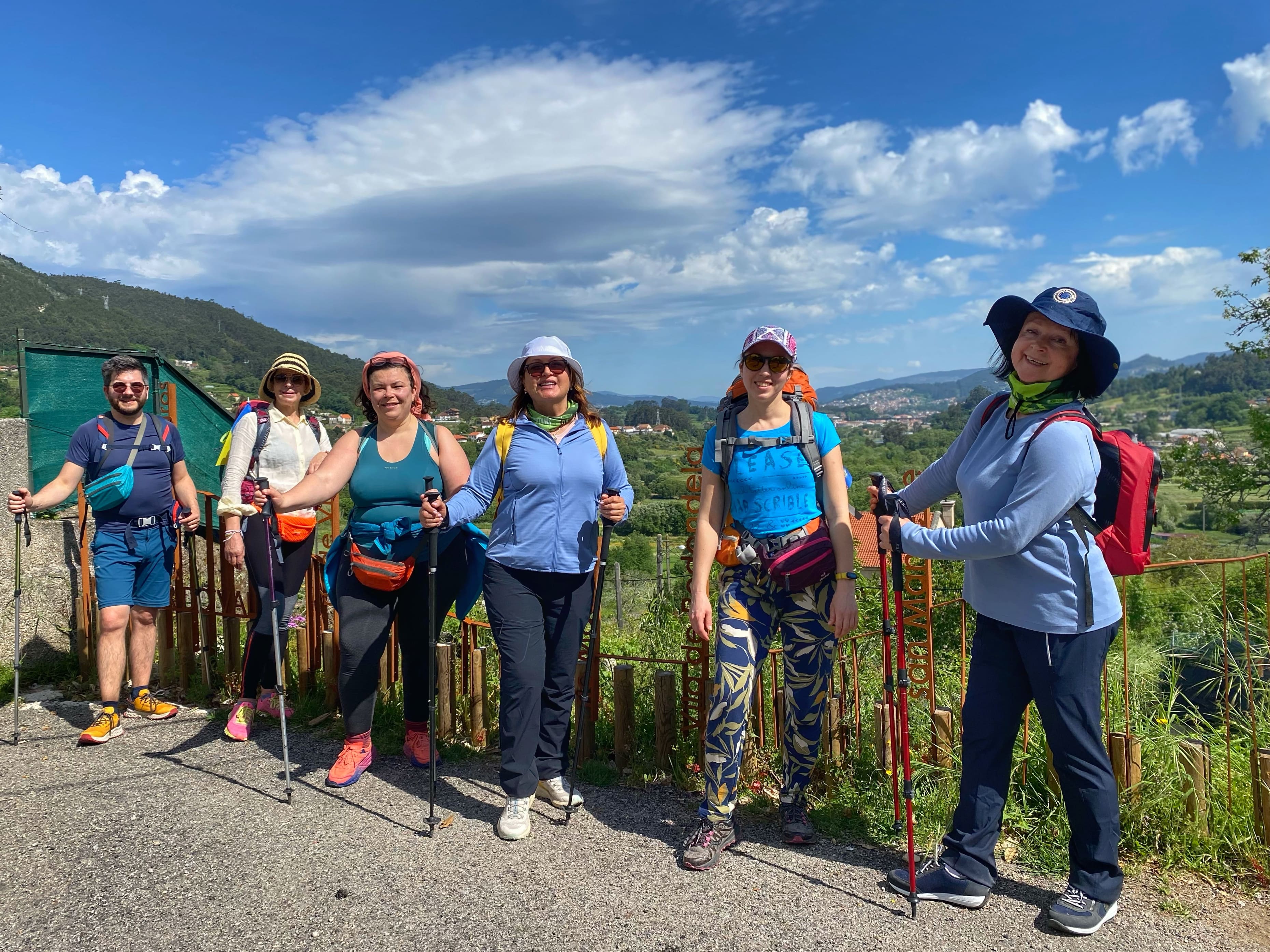
KULUAR team leaders are ready to guide you along the most picturesque roads - the Portuguese and English routes, as well as the road to the End of the World.
A few words about their features:

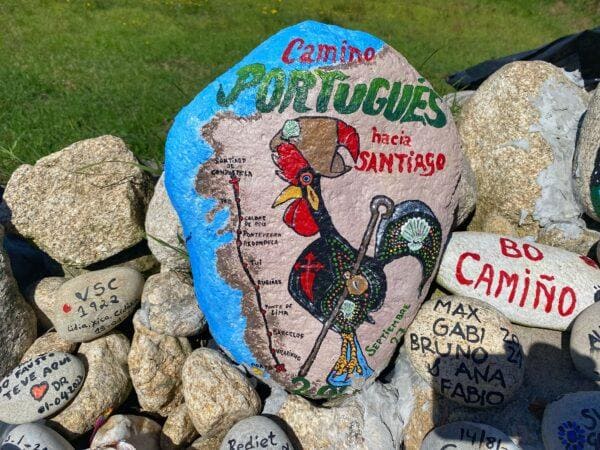
With a long history, this path has become one of the main pilgrimage routes crossing the territory of Spain. It passes through numerous Portuguese and Spanish towns and villages, offering its visitors spectacular natural scenery. The journey passes through green vineyards, picturesque hills, dense forests, and the Atlantic coast. The sections along the Douro and Minho rivers are particularly beautiful.
The Portuguese Way has several route options, including:
One of the most enjoyable aspects of traveling is the opportunity to taste the local cuisine. Portugal has long been famous for its seafood and the famous Porto wine. And, of course, the traditional Portuguese dessert - Pastel de Nata, also known as Pastéis de Belém. This is a small tart with a crispy puff pastry crust filled with a delicate cream of egg yolks, sugar and milk. It is said that anyone who has tried this delicacy at least once in their life will always remember its divine taste.
Read how to complete the Portuguese track with KULUAR on the description page of the Santiago de Compostela Trail in Portugal.
Finisterre, from the Latin Finis Terrae, means "the end of the earth". This is a real place of special spiritual and historical significance. Pilgrims come here to complete their journey on the Atlantic coast. There is a lighthouse on the cape that has long been a symbol of the end of the journey.
We invite you to the English track with KULUAR, which can be found on the page St. James' Way from Ocean to Ocean.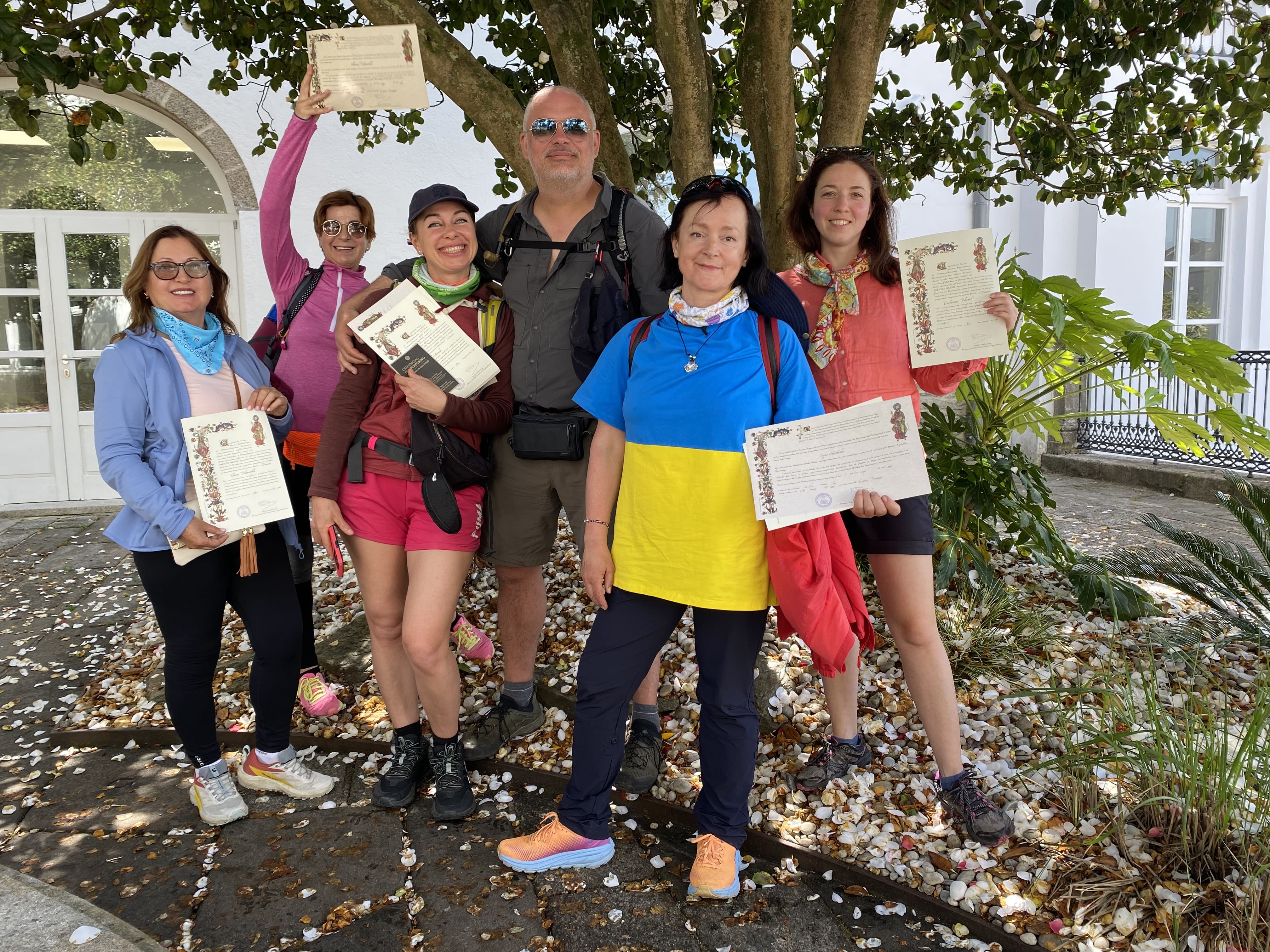
Even if you are traveling alone, you will hardly need a guidebook, map, or GPS - the route is often marked with shells, symbols of El Camino travelers. You'll see these signs and yellow arrows not only in Spain, but also in Portugal, France, Germany, Switzerland, Holland... All routes are well thought out and detailed, and are designated at the state level of each country. But if you are a conservative, no problem! Paper and electronic maps will help you, and they are available in all local shops. The official website caminodesantiago.me will provide access to the electronic version. The free MAPS.ME app can also serve as an electronic map.
There is also the Camino app, which displays a list of albergues, the distance between settlements, and the elevation difference at each stage of the journey. There are other similar apps, but this is the most convenient of the free ones. Keep in mind that it will be difficult to travel alone without basic knowledge of Spanish.

The idea of pilgrimage trekking is that a traveler walks the entire route he or she has chosen on foot, carrying only a backpack with his or her luggage. At the beginning of the St. James' Way, they need to register and receive a pilgrim's passport, a credencial, which is stamped during the trek. You can get them almost anywhere: in an albergue, in a store, even in a coffee shop or restaurant you like. Please note: in order to get permission to spend the night in an albergue, you need to have at least two stamps in your passport every day.
At the end of the journey, on the basis of the passport and stamps in the city of Santiago de Compostela in the Cathedral, the pilgrim receives a certificate of completion of the Way of St. James (El Camino de Santiago). If you want to have it, you need to walk 100 km or ride a bicycle twice as far. The place where you start and end your route does not matter.
Every year thousands of tourists, including many Ukrainians, confidently walk the Way of St. James, joining the ancient tradition of pilgrimage. Moreover, despite the fact that Ukraine is not a part of the classic European Camino de Santiago routes, we have recently created a route modeled after the Spanish one. The Podillia Way of St. James or Camino Podoliсo is the name given to this journey in Ukraine. The 252-kilometer-long route connects 13 major settlements: Vinnytsia, Hnivan, Brailiv, Zhmerynka, Severinivka, Bar, Yaltushkiv, Vinkivtsi, Zinkiv, Maliivtsi, Dunayivtsi, Makiv, and Kamianets-Podilskyi. By the way, this track also has its own "credence" 😉
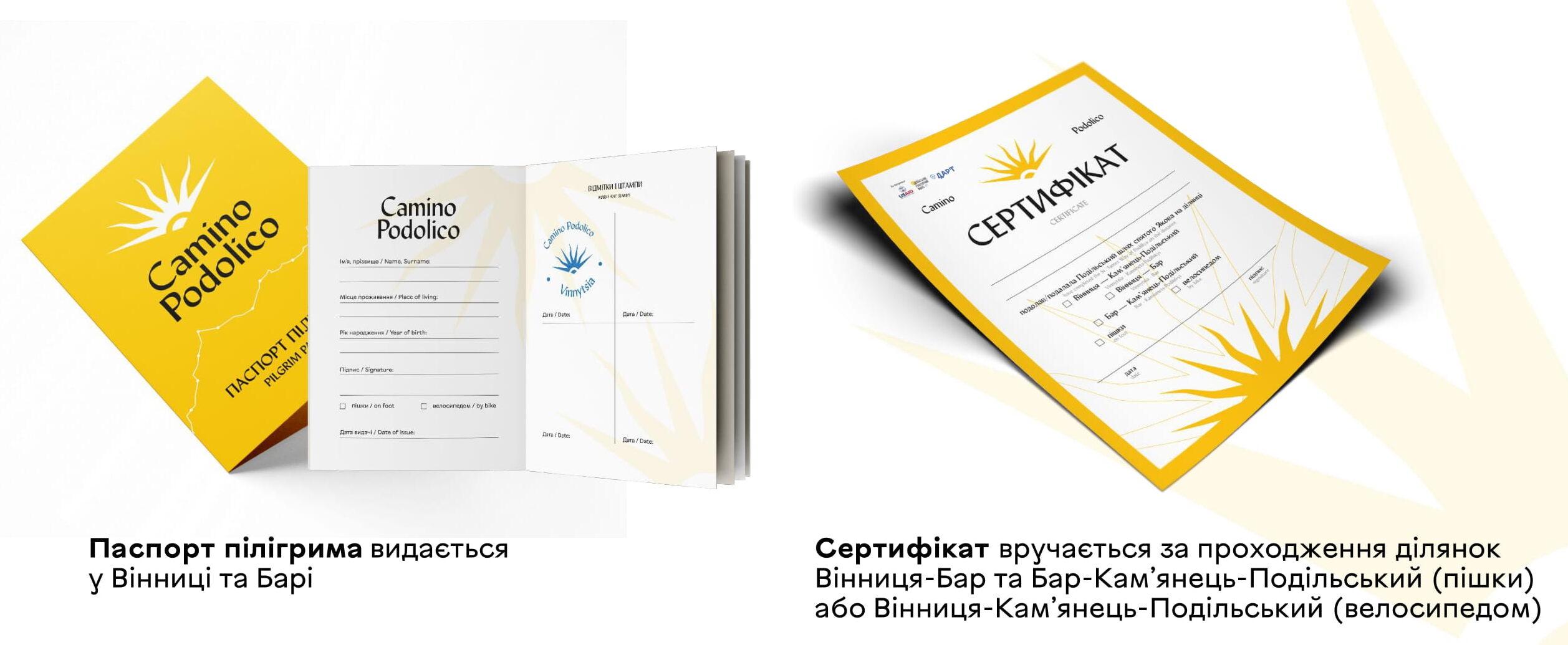
The difference in altitude, inevitable climbs, and days of walking do not make the track easy. But there are also many advantages: thanks to the special overnight stays along the way, you don't need to carry a tent and a lot of food with you. Along the way, you will definitely come across not only inns and hotels, but also colorful albergue houses. Prices for an overnight stay on the St. James route can vary depending on its type, location and amenities. Here are the approximate prices for 2024:
These prices are indicative and may vary depending on the season, demand, and specific location. To avoid inconvenience, it is recommended to book in advance, especially during the pilgrimage season (May-October).

Well, here's some useful information for you: the shortest part of the St. James Trail takes 10 days to complete, and you'll average about 20 km/day. You spend the night in a new place every day. By the way, you should have your own sleeping bag for sleeping in municipal albergues. So, as you can imagine, every gram in your backpack counts, so we don't recommend carrying dresses, books, and even more so a kilo of memorable stones 😉
Experienced pilgrims advise packing a backpack weighing 10% of your body weight.
By the way, the Santiago Trail is not considered an easy track - its difficulty is medium. You will learn what to prepare for the hike, what kind of physical fitness you should have, and many other interesting things in the informative article "How hard will it be in the hike".
Continuing with the topic of important and necessary things, we would like to draw your attention to the correct choice of footwear. For the cool season, take trekking boots, always well-worn, tested in different conditions. For summer, walking sandals and hiking sneakers are a great choice.
Tip: Every few hours, take off your shoes and socks and let your feet breathe and rest.
In addition, your backpack will definitely come in handy with flip flops or crocs to shower in the shared bathrooms.

Let's start with breakfast: speaking of shelters in small villages, in most cases, there are shared kitchens with a microwave where you can cook. This is an economical option if you are traveling on a limited budget. Some albergues also offer shared lunches or dinners for pilgrims for a small fee.
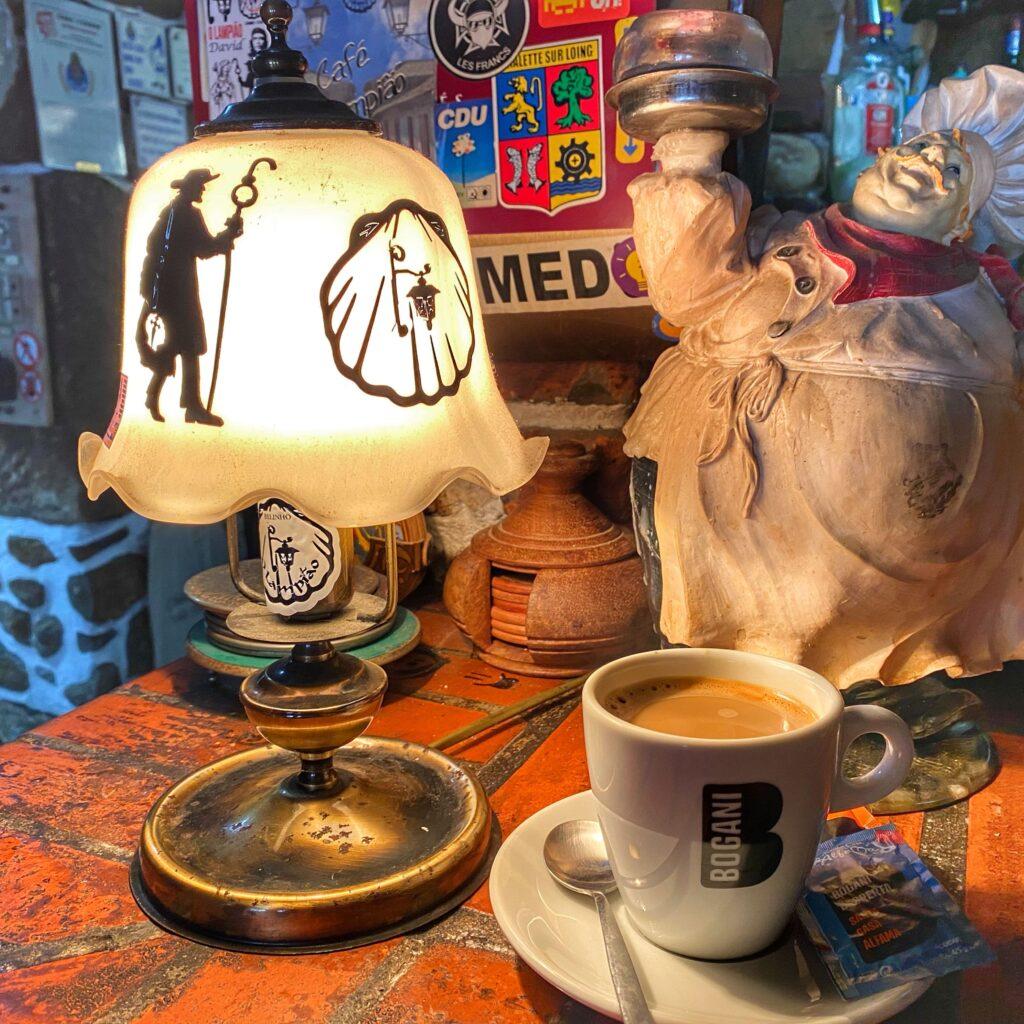
As for another level of establishments, Portugal and Spain are not like Kyiv. Here, everyone has a siesta, and there are few places to have breakfast before 10 am, and if you're lucky and something is open, you shouldn't count on scrambled eggs or oatmeal - at most, yesterday's croissant.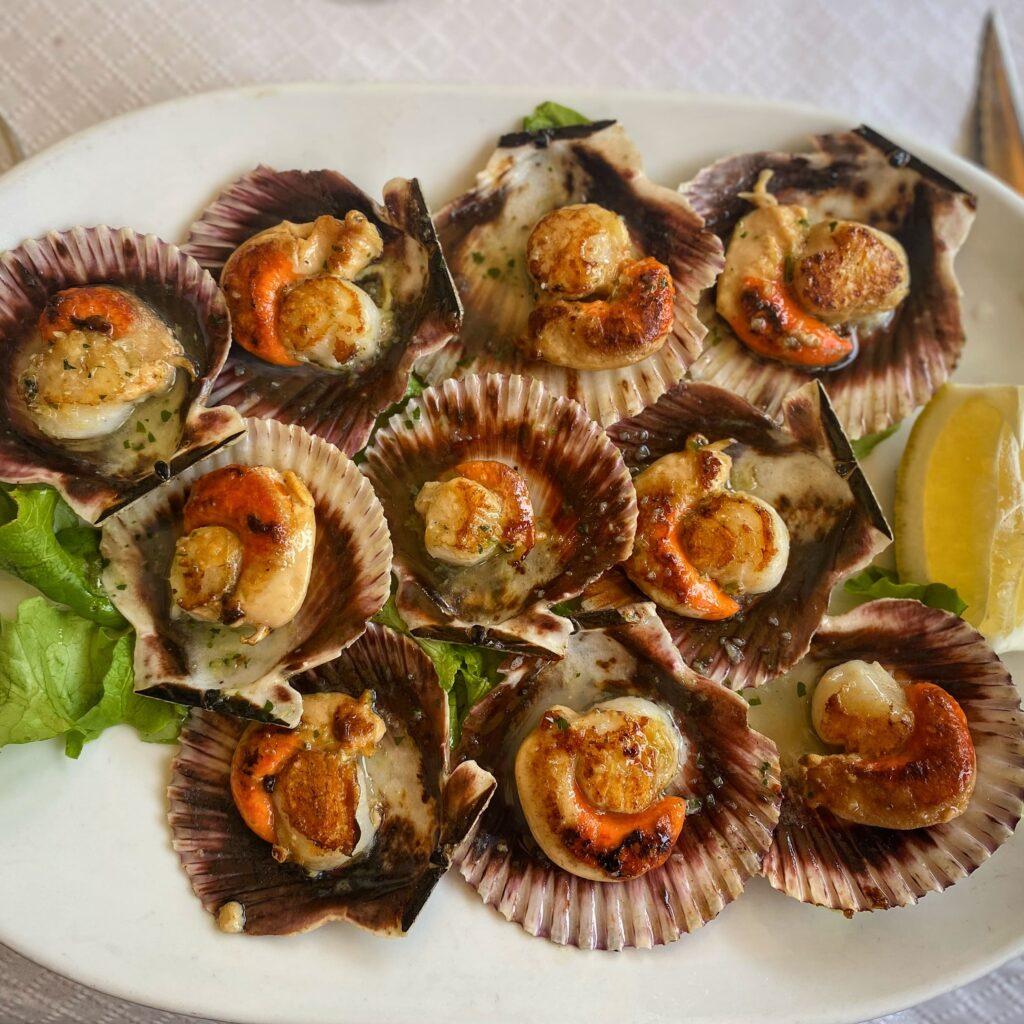
Lunch is easier: almost all the cafes along the way offer a pilgrim's menu (Menú del Peregrino): for a fee of 10-15 EUR, you will be treated to soup, salad, main course and even a glass of wine!
The closer you are to Santiago de Compostela, the more cafes and restaurants you can find.
When staying in the city, you can easily eat to your taste and budget. Supermarkets have all the necessary products for both a budget lunch and dinner.
It's important to remember that supermarkets are only available in large cities, so if you're planning a route through the countryside, make sure you stock up on food in advance.
Local markets can be a great place to buy fresh fruits and vegetables.
Bars and taverns are also popular, especially in Navarre and the Basque Country, where small snacks (tapas or pintxos) are often ordered. Almost all of them serve sandwiches, salads, and other light meals that can be taken "to go".
There are no problems with water at all. There are a lot of traveling fountains where you can get good drinking water.
The best time to hike in the Iberian Peninsula is from May to June and from August to September. These are the best intervals between the rainy season and the summer heat. This is worth considering, because seasonality also affects housing. In the cold season, some of the albergues are closed, and in the high season they are overcrowded.
Important: since places in shelters are not booked in advance, start your route early to have time to take a bed in another one.

Well, perhaps, only with the passage of years do you realize that a person needs very little to be happy - food, a roof over his head and like-minded people, as well as a peaceful sky and health. That's all! So invariably, year after year, fascinating paths lead to the west, to Santiago de Compostela... And will continue to do so for millennia!
For inspiration, you can watch our video report from the Way of St. James, from Porto to Santiago de Compostela