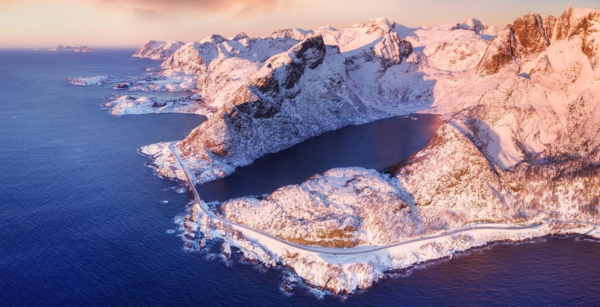
Lofoten is an unexpectedly warm island paradise for the north, far from the cold Greenland or the harsh Arctic. Here, instead of endless snowy expanses and icy frost, you will be greeted by mighty mountains, bright greenery and fresh ocean breezes.
This is a real light show where coloured streaks and flashes dance across the night sky, fascinating you so much that you can't take your eyes off them. On the local beaches with delicate white sand and clear turquoise water, on a clear summer day, you can see people swimming in the polar sun in the waters of the Norwegian Sea. True gourmets and not only can enjoy local delicacies. What else do you need to be happy? 🙂
The most convenient way to explore the Lofoten is by car with overnight stays in traditional bright red Norwegian rohrbu, small fishing houses full of colour. The Kuluar Club offers comfortable car tours in our own minivan for small groups of up to 8 people. Here you will receive professional support and care – everything to make your trip unforgettable.
And it's up to you to choose which tours to the Lofoten Islands you prefer: a winter road trip to meet whales and hunt for the northern lights, or summer hiking in the mountains and kayaking on the fjords.
The Lofoten Islands are a true nature masterpiece that is easy to find on a map when looking west of mainland Norway and just north of the Arctic Circle, at almost 68° north latitude. There are seven main islands (Austvågøya, Vestvågøya, Flakstadøya, Moskenesøya, Gimsøya, Værøy, Røst) that form the heart of the archipelago and are connected by the scenic E10 highway. Together with Kuluar, you have the opportunity to visit most of them.
Did you know that the history of Lofoten is closely linked to the sea and fishing? For centuries, the famous cod has been dried here, which has become a symbol of these places and is known far beyond Norway. These islands also retain heat even where most places have long been covered in ice. The secret lies in the powerful North Atlantic Current, an extension of the Gulf Stream, which gives the Lofoten a mild climate and makes them suitable for active adventures almost all year round.
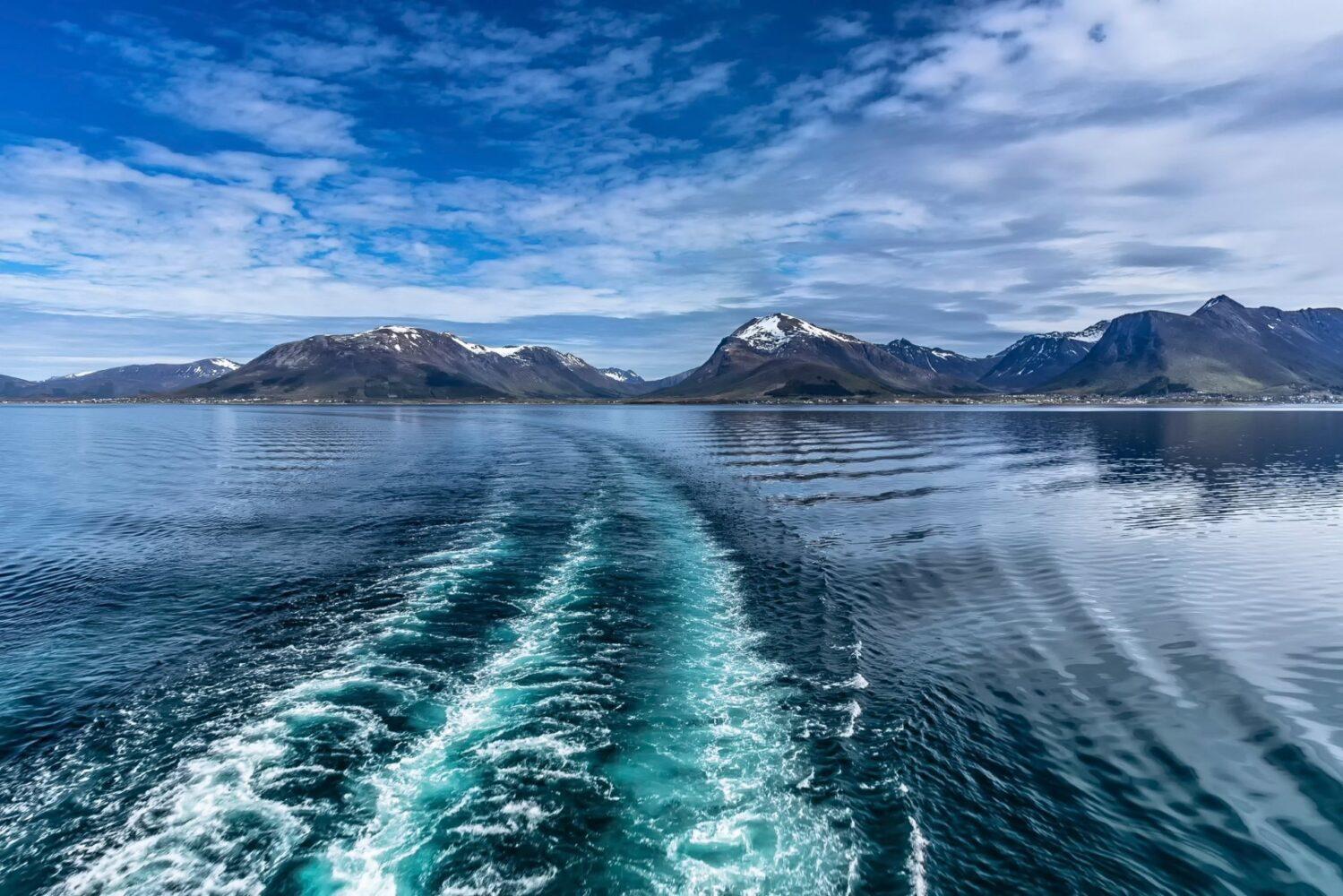
It is the combination of wildlife, fabulous landscapes and a unique atmospheric climate that makes the Lofoten Islands a real magnet for travellers.
Lofoten is conveniently reached from Bodø Airport or Evenes Airport, which have many flights, mainly from Oslo. We recommend planning to arrive before 12:00. We'll explain why: since Kuluar teamleader will meet you at the airport, you want to have time to stretch your legs before leaving by ferry or minivan, so a short walk to the city centre and a goodie shop is sacred 😉
The ferry departs at around 16:00 (time may vary) and in 4 hours you will be on the Lofoten Islands.
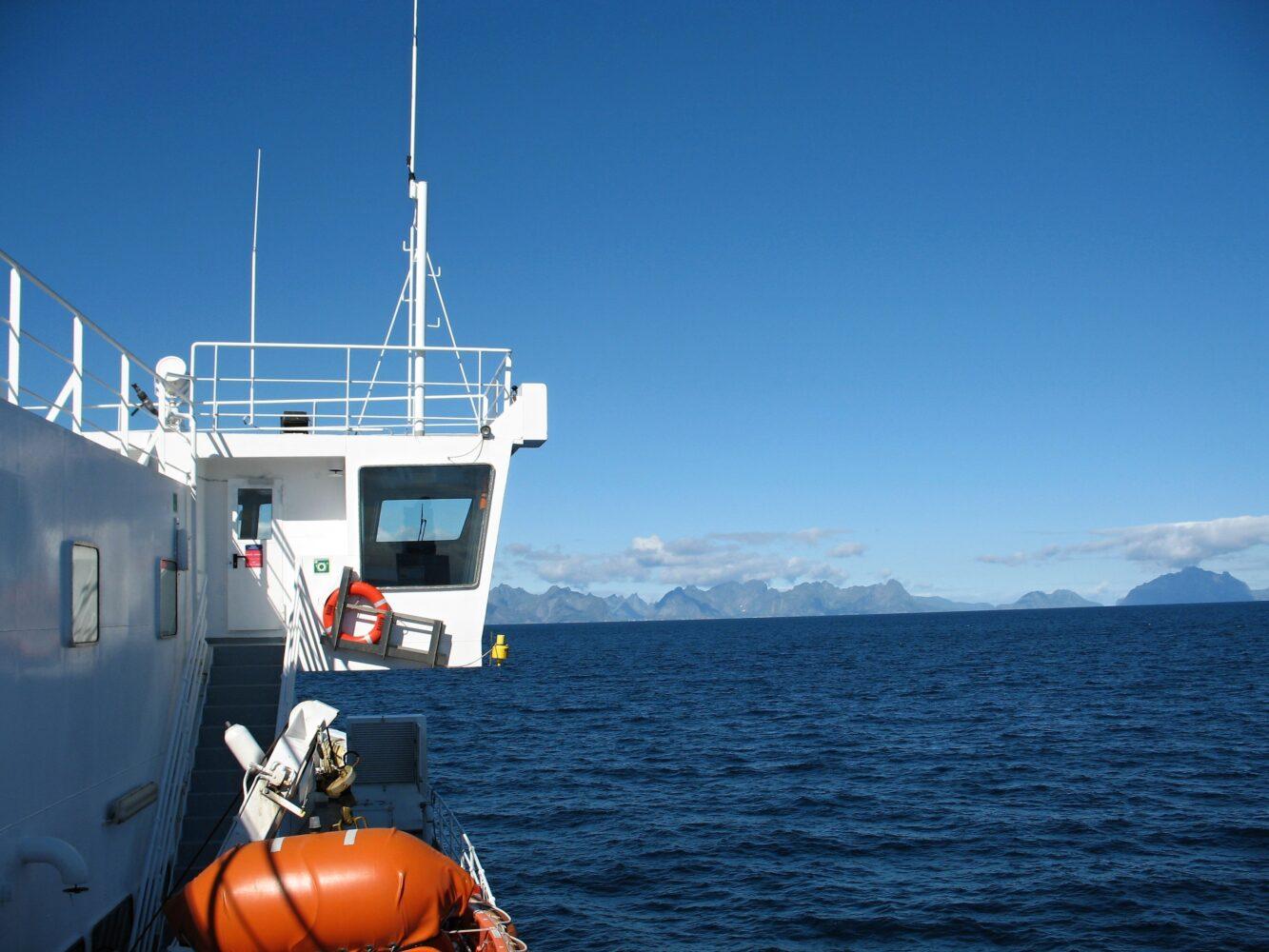
If you plan to drive your own car, keep in mind that the Lofoten are connected to the Norwegian mainland by the E10 – Lofoten National Tourist Route (via bridges and tunnels). The journey from Oslo to the archipelago takes about 18–20 hours depending on the route.
However, if you want to shorten the journey and make it more interesting, the Bodø – Moskenes ferry will be happy to transport you and your car.
The weather on the Lofoten is a real surprise at any time of year. The Midnight Sun begins in late May and lasts until mid-July, when the sun never disappears behind the horizon. During this period, the light does not disappear even at night: the sun barely touches the horizon, creating a soft, continuous glow. However, warm summer days do not always last and are deceptive: even in July, cold winds from the ocean can come, so gloves, a hat and membrane clothing will come in handy.

And from the beginning of December to the beginning of January, the Lofoten experience a polar night, when the sun does not rise above the horizon. However, there is no complete darkness here: a soft bluish glow lasts for several hours a day, creating a special atmosphere of fairy tales.
Even though the Lofoten Islands belong to Norway, winter frosts are almost non-existent here: temperatures rarely drop below freezing even in the coldest months.
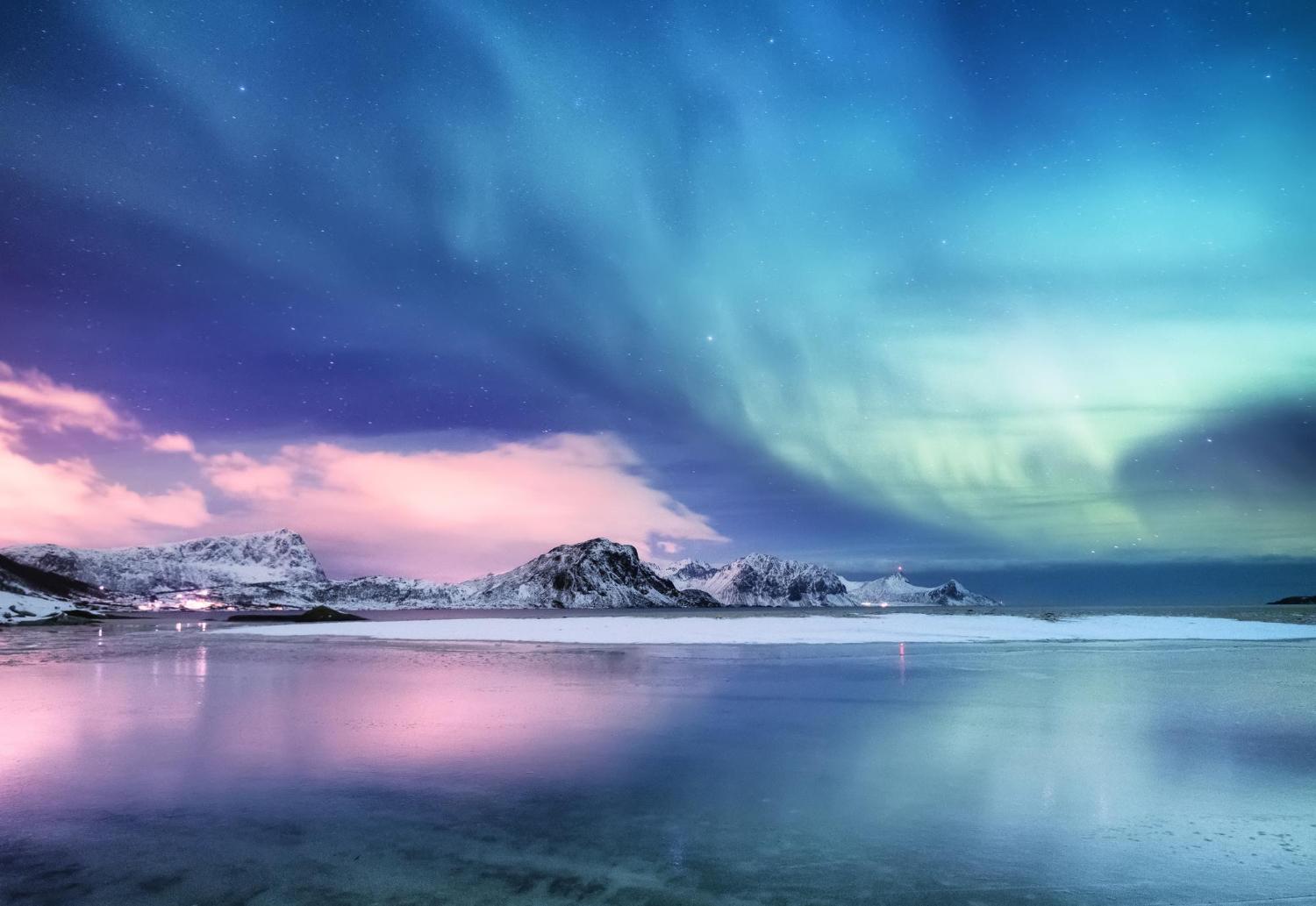
In winter, the arena for the northern lights opens up: the sky explodes with coloured waves of light that can be seen right from the lodge.
The seasonal weather is very changeable – even in one day you can see sun, snow and rain, so the locals joke about "Fickle Friday", when you can experience all the seasons in one day. This is what gives Lofoten its special charm and drive during tours.
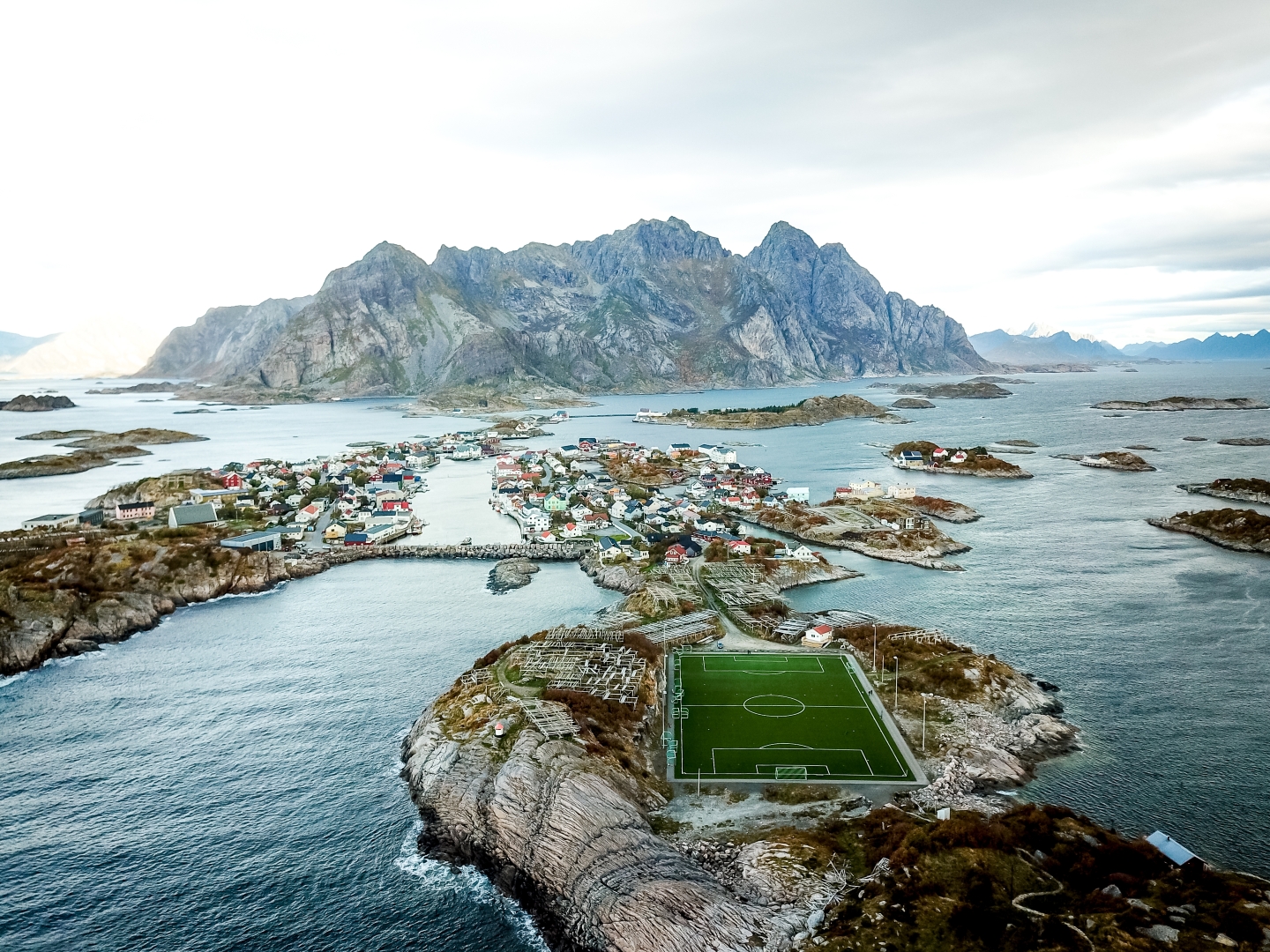
The Lofoten Islands are not only mountains and fjords, but also atmospheric fishing villages that really look like living postcards. And what a colourful combination of colours (yellow, red, white) the "rohrbu", which we have already mentioned, have – a complete contrast to the blue ocean and dark rocks!

The list of the most beautiful includes
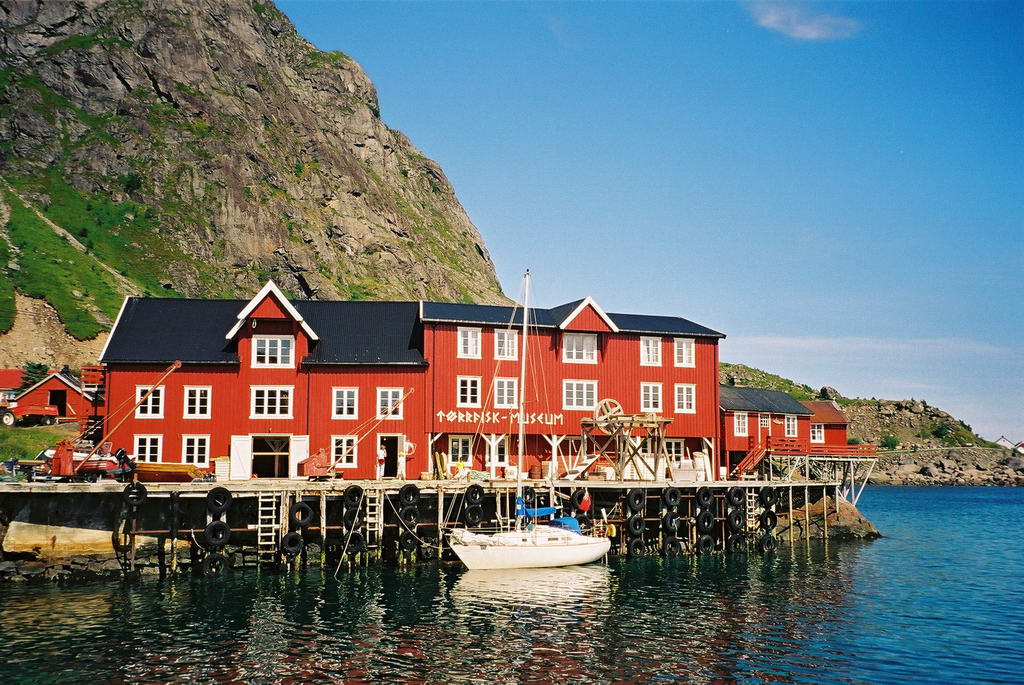
Be sure to add the village with the cool name "Å" or "O" to your itinerary, where the world's only Dried Cod Museum is located! Here you can not only learn all about the traditional methods of drying fish, but also see the process from the inside. This place opens a living page in the history of the region, where fishing has become a part of the culture and life of the locals.
In the village of Borg, guests will find the Lofotr Viking Museum, which will introduce them to the life and traditions of the Viking leaders who founded the local settlement in the fifth century. Here you can not only see the reconstruction of their homes, but also taste wild boar meat, lamb dishes and special mead made according to ancient recipes 😉
One might wonder what there is to see on the islands in the middle of winter, when the days are short and cold winds blow in from the ocean? In fact, it is precisely at this time of year that the Lofoten Islands have plenty of surprises in store for travellers. Winter in the Lofoten Islands is nothing like a typical Arctic winter. The sea here isn’t completely frozen over, the temperature often hovers around zero, and the short days are made up for by unusual lighting and natural phenomena. The Lofoten Islands have their own special rhythm in winter. In the morning, you can go for a walk along a snow-covered beach; during the day, watch whales in the open sea; and in the evening, gaze up at the sky in anticipation of the Northern Lights. And all this amidst jagged mountain peaks rising straight out of the ocean.
It’s all down to its geographical location! The archipelago lies at approximately 68° north latitude, within the auroral oval, where the Northern Lights are most frequently seen. You don’t even need to wait for particularly strong geomagnetic activity to see the colourful streaks in the sky.
But there’s a catch: the aurora doesn’t appear on a schedule. To see it, you need darkness, sufficient solar activity and at least a partly clear sky. So, if you’re planning to go in search of the Aurora Borealis, it’s best to set aside a few evenings for it.
 Incidentally, the aurora season here lasts from around the end of August to the beginning of April.
The situation with whales is interesting. In the past, killer whales used to gather regularly off the Lofoten Islands for their winter hunt for herring. But over time, the fish changed their migration routes, and the marine predators moved with them.
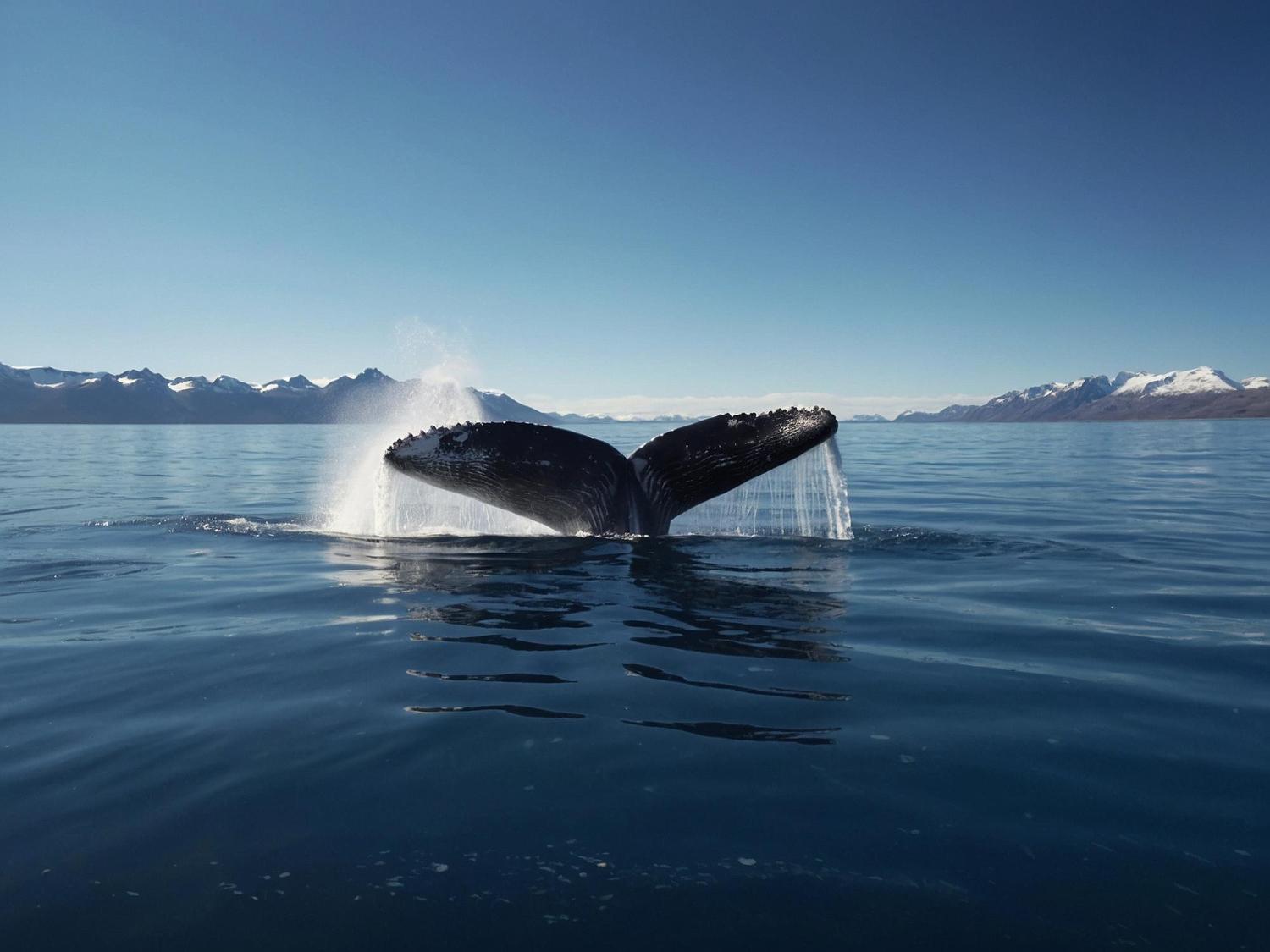
Today is the best day to set off on a whale-watching safari to the neighbouring Vesterålen archipelago. The town of Andenes is particularly well-known, as deep-water areas of the ocean lie close by (and this is where the group is due to travel as part of the Kuluar winter tour of the Lofoten Islands). Near this town, the ocean depths come close to the shore, creating favourable conditions for sperm whales to live, so boat trips are organised here, during which you have the chance to see the animals in their natural habitat. Just imagine the thrill of seeing the enormous back of this marine giant emerge from the water right nearby! You can spot sperm whales here, and depending on the season and the location of their prey, other whale species too. Organised boat trips are weather-dependent, so it’s worth checking the availability of whale-watching safaris in advance.
And what about the weather? It’s typically Norwegian – completely unpredictable! Thanks to the warm Atlantic waters, the temperature here is considerably higher than one might expect for a region north of the Arctic Circle. The North Atlantic Current causes daytime temperatures in winter to fluctuate between roughly −5 and +5°C; it moderates the winter frosts, but at the same time brings moisture and changeability. Snow easily gives way to rain, and a sunny morning is no guarantee of a clear evening.
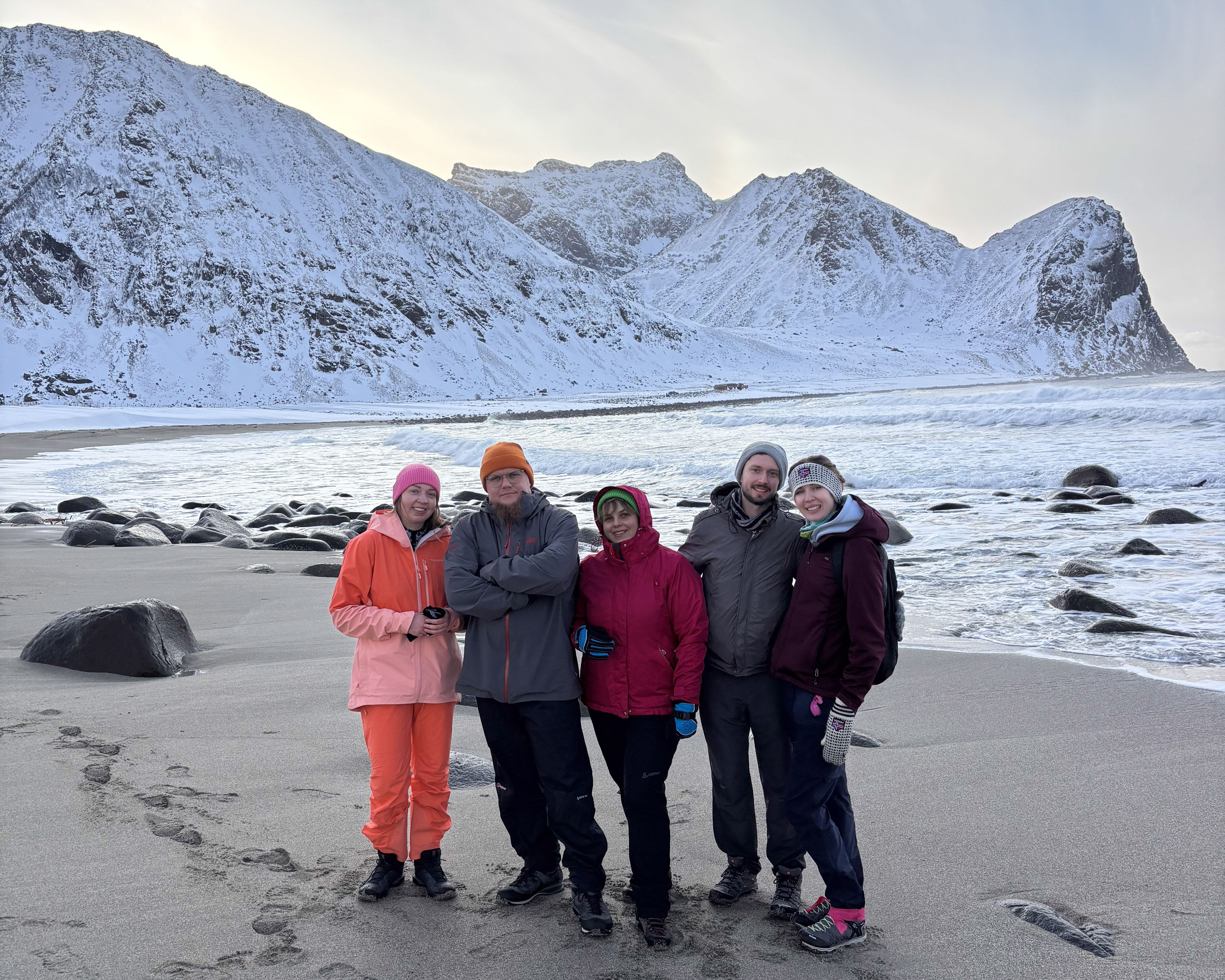
But there is also a downside to the mild maritime climate: frequent rainfall, strong winds and sudden changes in the weather. You might wake up to snow in the morning, see the sun during the day, and get caught in the rain by evening. That’s why, for winter walks here, it’s not just warm clothes that are important, but also reliable protection against the wet and wind. But don’t worry – we’ve already taken these details into account when putting together our winter programmes 😉
A new peak every day! There is no other way. On the Lofoten tour with Kuluar there will be a lot of hikes and even more beauty. At the same time, the trek is balanced and within the power of most travellers.
You will climb to the Reinebringen (448 m), the symbol of the Lofoten, from where you will see a scattering of islands. The ascent takes about 1.5 hours, the trail has steep steps (as of January 2024, 1974 steps were recorded), but is accessible to tourists with average physical fitness.
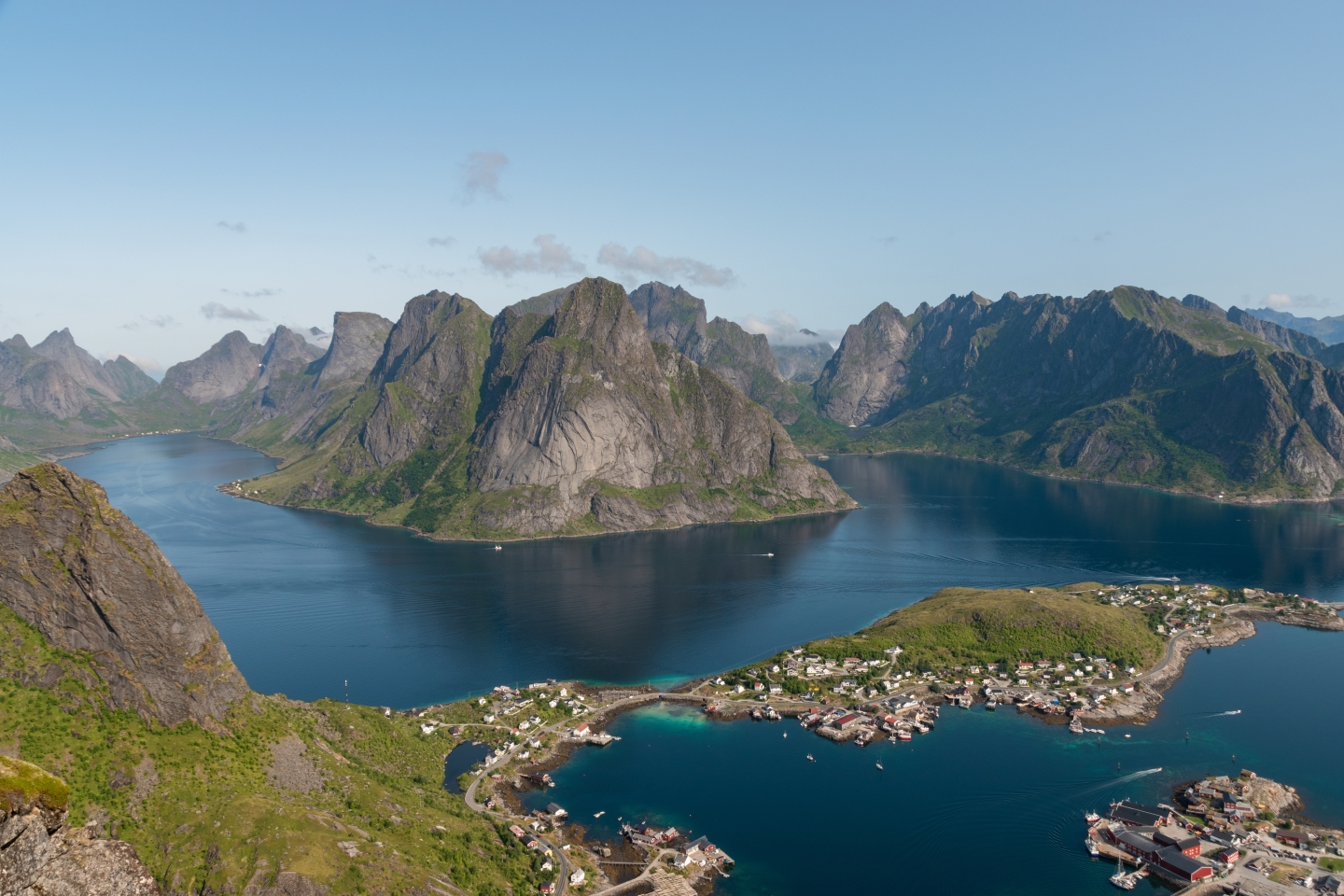
Other gems of the route are the peaks of Festvågtind and Presten, here on the way you will see an interesting copy of the recognisable place in southern Norway – Troll's Tongue, but this time it is a small tongue protruding above the abyss.
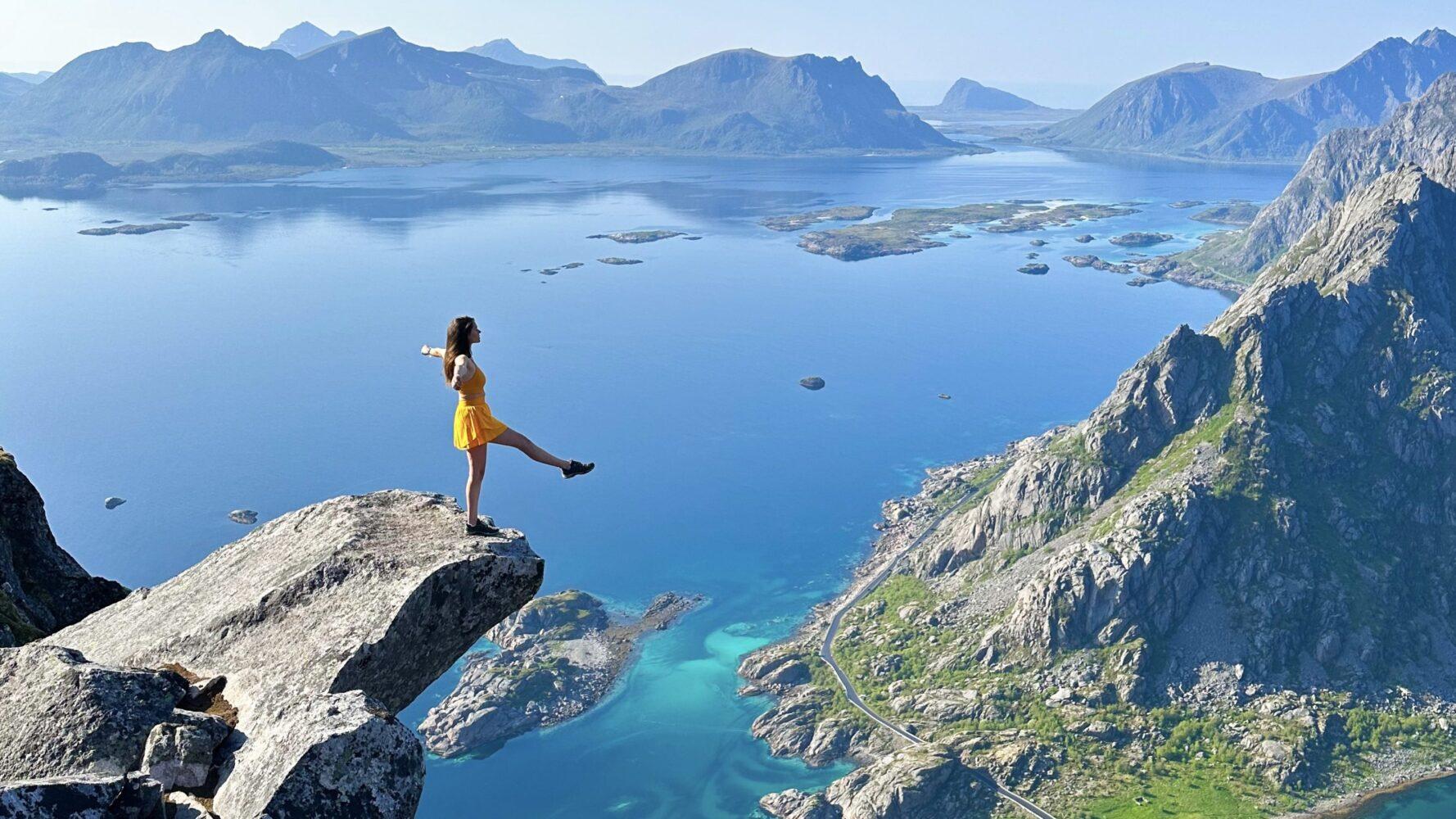
Another 3-hour track to Mount Hesten. And a photo shoot will be waiting for you here!
Those who like to drive will definitely enjoy the climb to Svolværgeita, a recognisable stone peak with two horns that rises above the town of Svolvær. Its height is about 150 m above sea level, and the climbing trail is approximately 50–60 m (this climb is not yet included in the Kuluar routes).
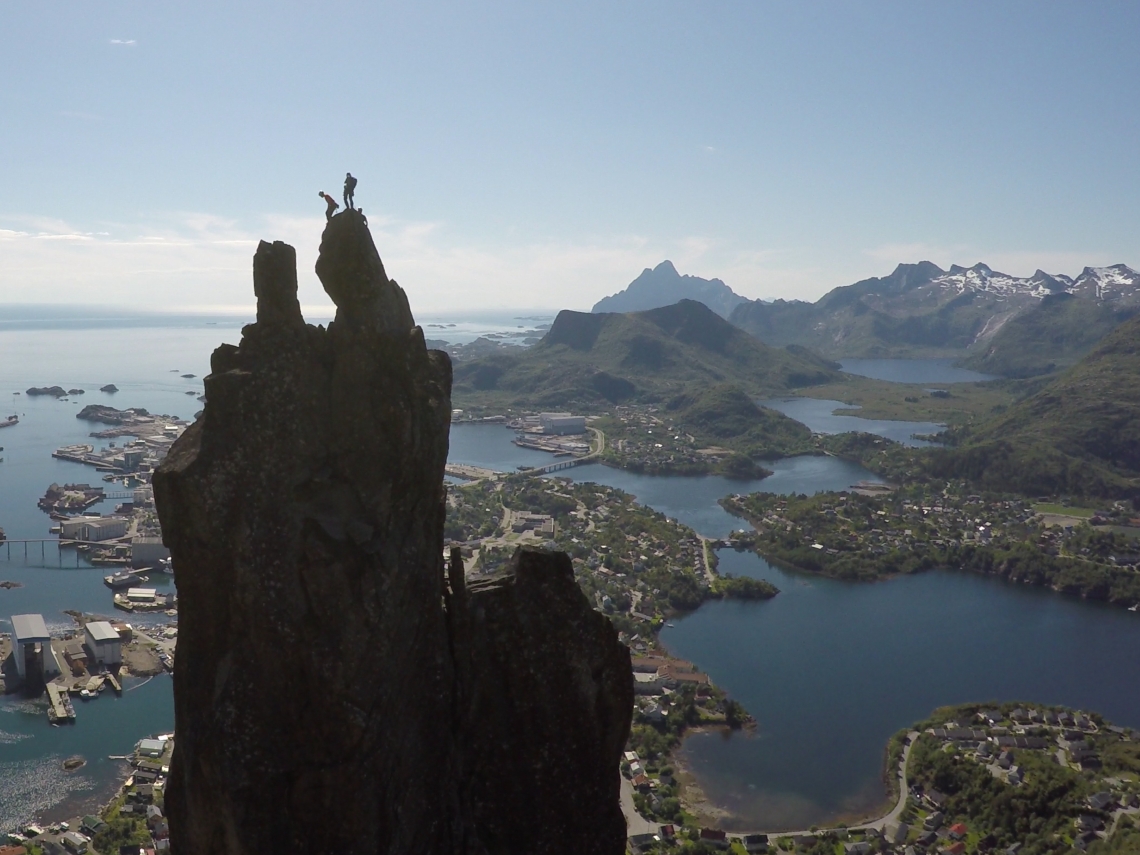 Author: Tarjei Mo s CC BY-SA 3.0, https://commons.wikimedia.org/wiki/File:Svolv%C3%A6rgeita.png
The first ascent of Svolværgeita took place back in 1910, and the jump between the horns has become a true local legend, which even the most daring tourists still attempt today. The summit can only accommodate 3–4 people at a time, so during the high season, when people flock here seeking an incredible thrill, you sometimes have to wait a little while to take a photo or simply savour the moment at the peak.
One of the most popular routes is the Rubenson Traverse, which offers a safe and interesting way to reach the summit. The climb will take about 1–1.5 hours, and the reward will be a stunning view of the Lofoten Islands and the Atlantic below your feet.
The route is not easy, but it is accessible to tourists with average physical fitness, as there are natural supports for legs and arms on the rock. You can climb with a guide and use a safety system. It's a great way to test yourself and get a lot of fun in a safe format.
On the islands of Norway, the taste of adventure begins in the air: cod is still dried on wooden racks in the streets and the aroma of dried fish accompanies visitors to many villages for most of the year. This fish (known as stockfish) is the pride of the Lofoten and a symbol of the fishing traditions that have been passed down for generations.
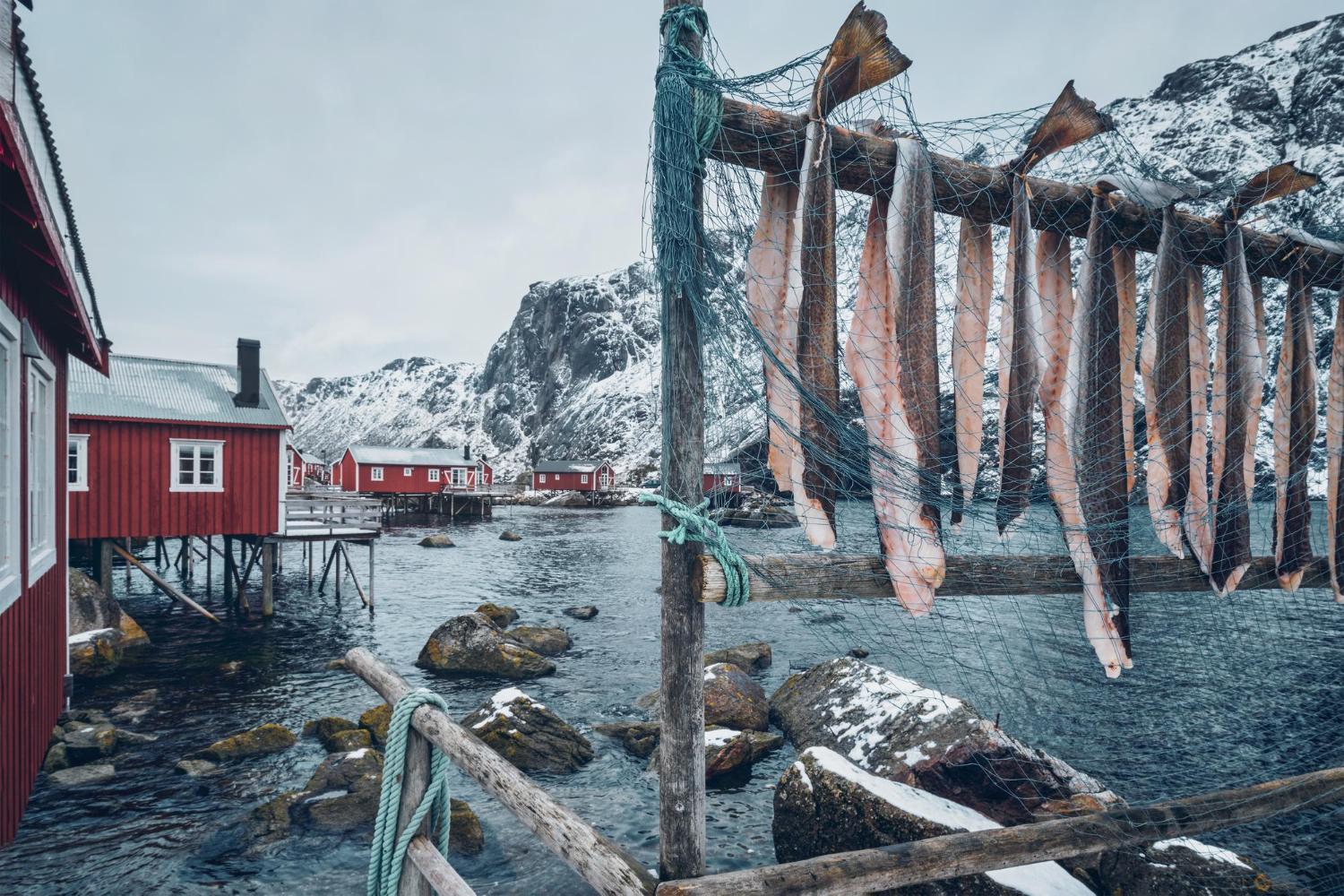
Local fish restaurants offer all kinds of cod: dried, fried, stewed or in soups with aromatic herbs and cream. A special dish that is a must-try is klipfisk (cod, dried and salted), and for dessert, try the legendary brunost, a caramelised Norwegian cheese that has a sweet and creamy flavour and simply melts in your mouth.
Imagine how aromatic coffee would taste in such an atmosphere... with cinnamon... and with kanelboller... mmm. Drinking it in small cafes in the Rhein or Swalwerth is a must. It's just perfect, especially after a long day of hiking or kayaking in the fjords.
The team thinks about your comfort in advance: you will stay in cosy lodges with everything you need, so the team leader has equipment for your little pleasures (like making coffee on the top overlooking the fjords). If necessary, you can rent trekking poles. As for the list of equipment, we have already prepared a ready-made checklist for travelling in winter and summer. By the way, you don't need a big backpack and a lot of equipment. Most participants arrive with a backpack of up to 33 litres (8 kg) and do not buy additional luggage on their flights.
An interesting detail of winter trekking: for some routes, you may need crampons (spikes on your boots) to move confidently on slippery sections of trails. You can usually rent them on the spot.
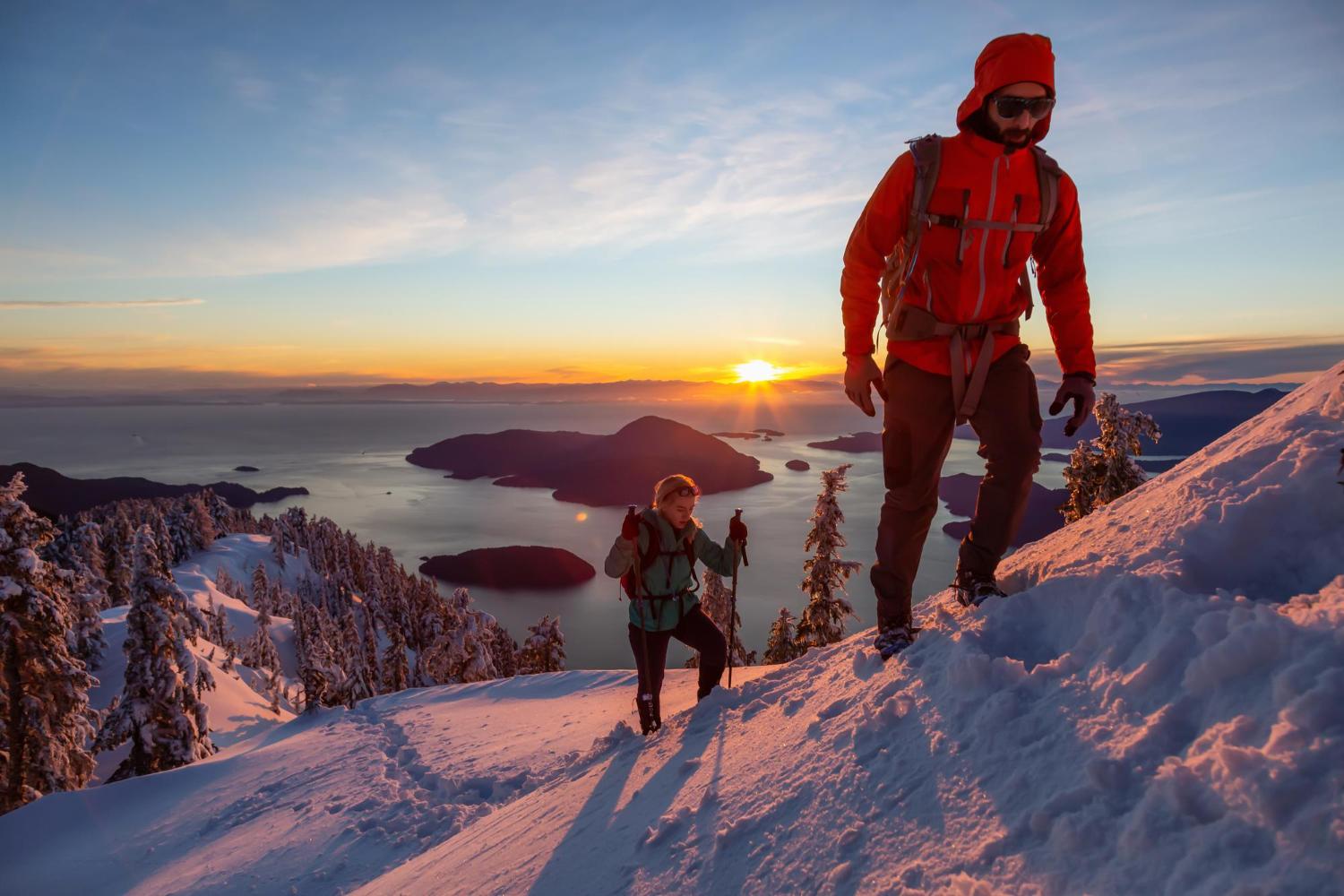
Lofoten offers unique photo spots at every turn: colourful Norwegian houses, boats, mountains growing out of the water, and the northern sky that constantly changes its mood. It is here that you want to stop, breathe in the salty wind and capture the very shot that will remain in your memory forever.
And traditionally, if you go to the mountains, go with Kuluar!

This is a picturesque archipelago in northern Norway, renowned for its jagged mountain peaks, deep fjords, snow-white beaches and colourful fishing villages. It comprises seven main islands and countless smaller ones. People come here for hiking, maritime adventures, the Northern Lights and scenery that seems almost unreal.
They are situated in the Norwegian Sea, off the north-western coast of Norway, approximately 200 km north of the Arctic Circle. Administratively, they belong to the county of Nordland. Despite their northern location, the climate here is relatively mild thanks to the influence of the warm North Atlantic Current.
The most convenient way to travel is to fly via Oslo to Bodø or Evenes airports. From Bodø, you can take a ferry to Moskenes (approximately 3.5 hours) or a domestic flight to Svolvær or Leknes. Buses run from Evenes to the islands, and you can also hire a car. For a road trip, the Lofoten Islands are connected to mainland Norway by the scenic E10 road, which passes through bridges and tunnels.