


Why Everest, and why with Kuluar?
The idea of going to Everest Base Camp had been on my mind for a long time. I didn’t just want to see the mountains; I wanted to experience them—slowly, step by step, with all the challenges and discoveries. Among the many organizers, Kuluar stood out as a team that doesn’t just organize treks but creates a genuine experience.
I’d like to give a special thanks to the consultants for their help with packing and gear. Before a trip like this, there are always so many questions: what to bring, how to prepare, what you’ll actually need at high altitude. They explained everything very calmly and in detail.
That said, I can’t say I was afraid or nervous before the trip. On the contrary—I had a very clear and calm thought in my mind the whole time: I am exactly where I’m supposed to be, and everything is happening on time.
Our First Days in the Himalayas
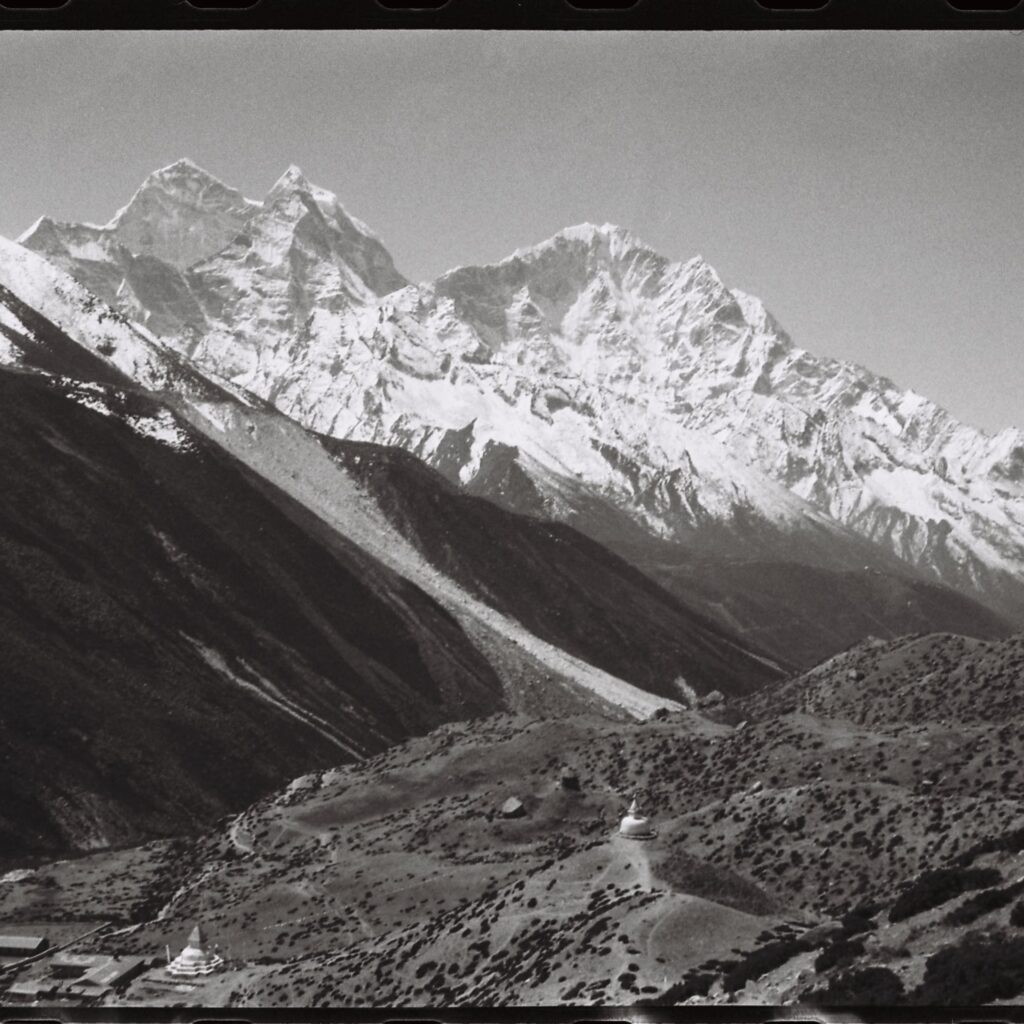
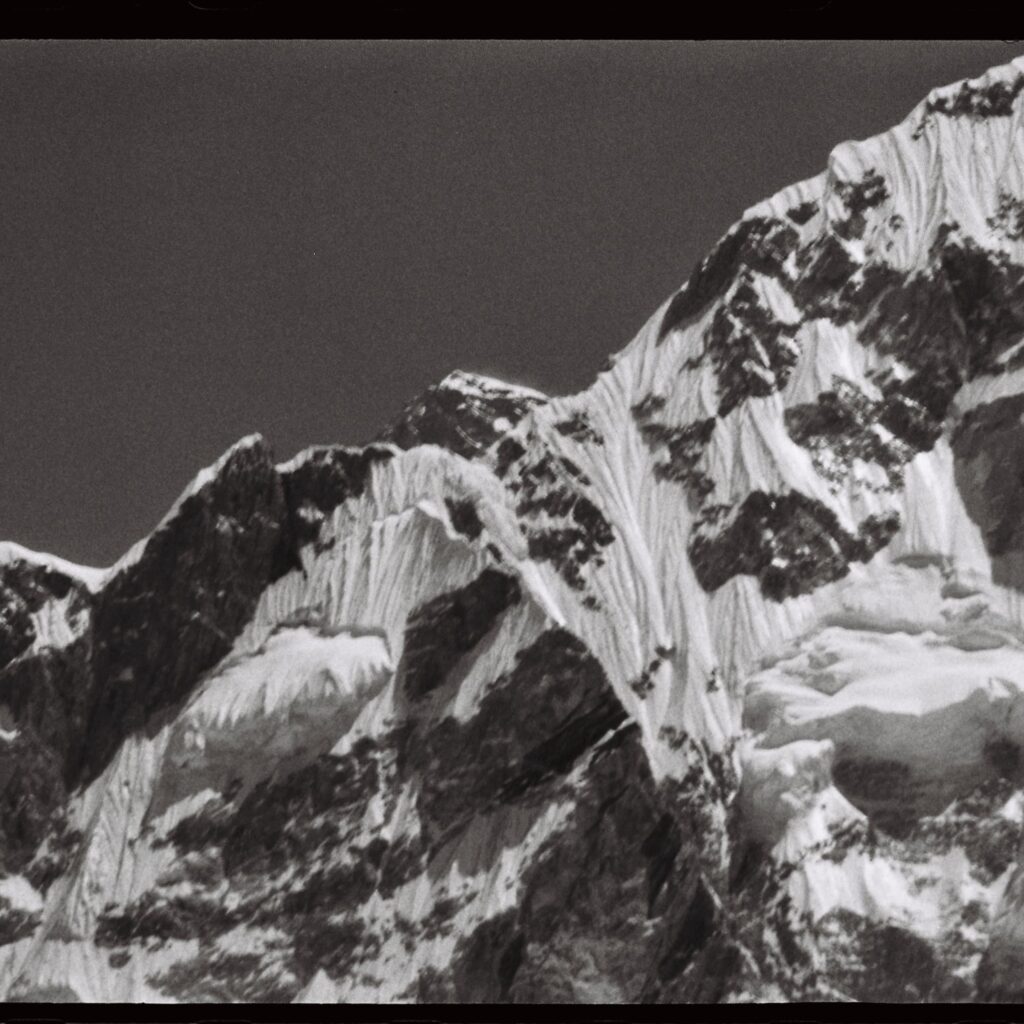
Lukla welcomed us with its legendary airport and the feeling that something truly grand was about to begin. The first few days were incredibly atmospheric: small villages, suspension bridges, yaks, tea houses, endless staircases, and views that are hard to capture in photographs.
At a certain point, the mountains begin to have an almost meditative effect. You just walk. Slowly. You breathe. You look around. And gradually, your mind clears of all distractions.
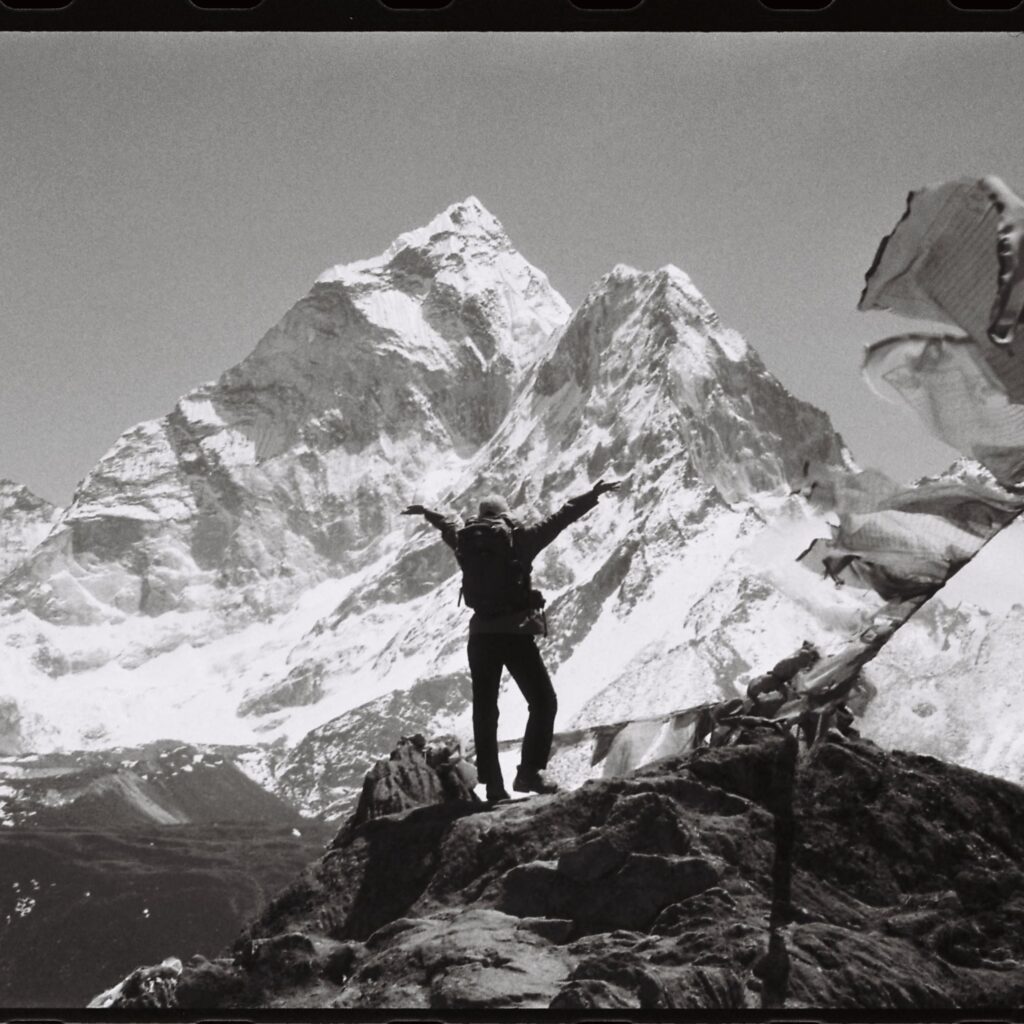
The strangest feeling is when, after several hours of climbing, you suddenly look up and see Ama Dablam or the first views of Everest. In moments like these, the fatigue seems to fade away on its own.
The Most “Extreme” Day of the Trek
One evening will stay with me for a long time. At some point, I decided to wash an apple in a barrel of standing water near the outhouse. A rookie mistake. I understand that perfectly well now.
That night, I didn’t sleep until about three in the morning, and my body was actively trying to get rid of everything inside it—by every possible means, through biological and, let’s say, “emergency” outlets. It was a true Nepalese detox in its harshest form.
I was very lucky that our team leader, Anastasia, was staying with me in the lodge. She gave me medicine, helped me come to my senses, and was a huge support at that moment. After sleeping for literally three hours, I had to get ready to hit the road—ahead lay the trek from Dingboche to Pyramide: about 10 km of trail and an elevation gain from 4,360 to 5,050 meters.
To be honest, in the morning I could barely pack my bag and literally force down a few spoonfuls of oatmeal in water. The group went ahead with a local guide, while Anastasia and I moved very slowly behind.
I had never felt this way in my life. Every step was incredibly difficult. But it was then that I really felt how important the support of the people around me was. Anastasia constantly encouraged me, believing in my strength even when I myself was no longer entirely sure of it.
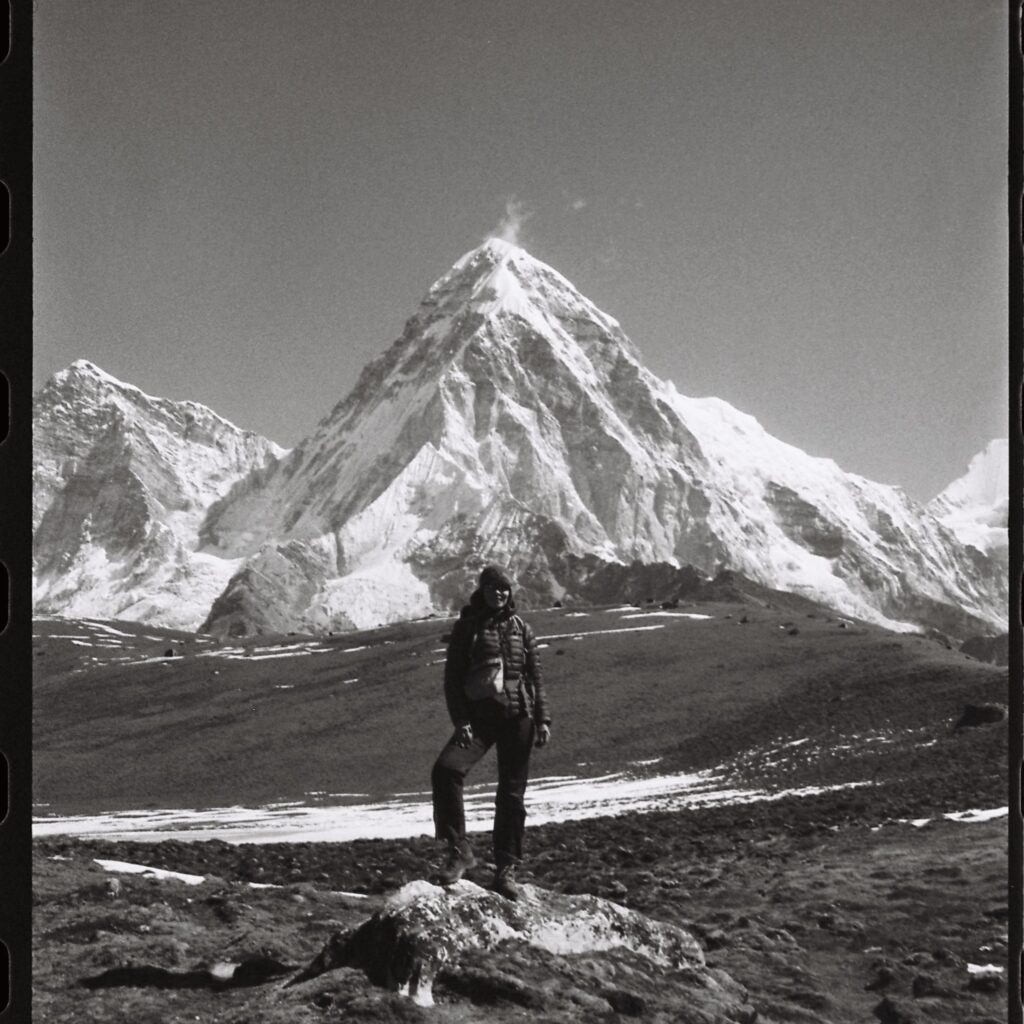
With tiny, slow steps, we finally made it to the Pyramid. And the very next day, I was standing at Everest Base Camp.
Everest Base Camp and the Unfinished Kala Patthar
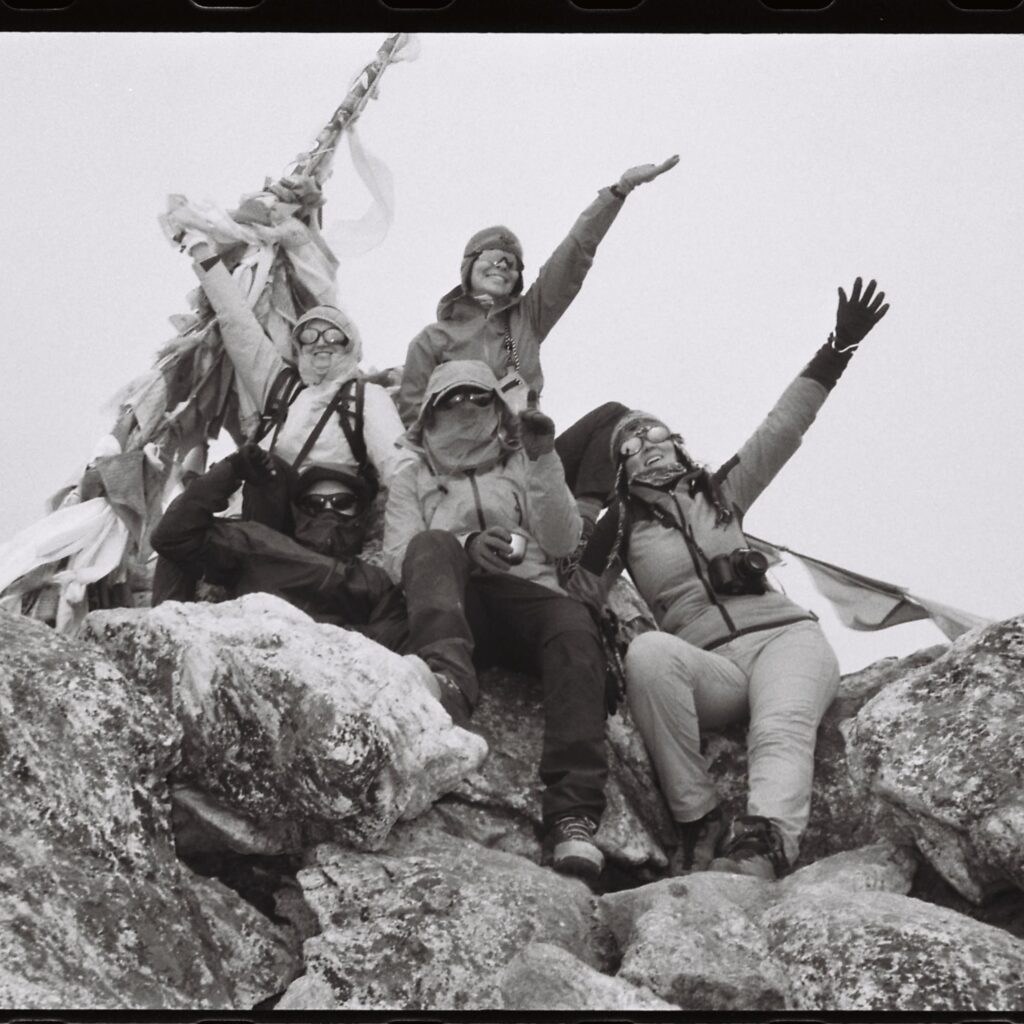
Just arriving at Everest Base Camp is a very special moment. You stand amidst the glacier, rocks, and prayer flags, and suddenly realize: there it is, the very same base camp you’ve seen in movies, books, and photographs.
Unfortunately, due to the previous grueling days, the effects of food poisoning, and my body’s overall weakness, I was unable to climb Kala Patthar. At the time, it was emotionally difficult to accept, because I wanted to complete the route “in full” and see everything I had dreamed of.
But the mountains teach you very quickly to listen to your body and respect its limits. Sometimes true strength isn’t about forcing yourself to keep going at any cost, but about knowing when to stop.
The descent can be a challenge too
Interestingly, one of the hardest parts for me wasn’t the climb, but the descent to Lukla. The last two days were about 20 km each, with constant strain on my legs and knees. After base camp, it feels like the hardest part is already behind you, but it’s the long descents that are physically exhausting.
If I were to plan the route again, I would definitely split the last two days into three shorter stages of about 13 km each. I think that would make the end of the trek more comfortable.

The Most Touching Moment
It was my birthday as we were heading back from Lukla to Kathmandu. And that very morning, the team threw me a surprise that I’ll probably remember for the rest of my life.
Before we headed to the airport, they brought me a personalized cake with candles. Then the porters and the local guide blessed me. It was a very heartwarming and truly special moment.
This trip was my gift to myself for my 35th birthday. And I know for sure: after this, my life will never be the same again.
About Gear and Important Details
My top tip for future participants is this: don’t underestimate the importance of good footwear and preparation for long hikes. The most valuable items for me were:
And one more very important tip: never wash fruit with water from the standing barrels near the restrooms in Nepal.

About the Team
A huge thank you to the entire Kuluar team, and especially to our team leader Anastasia. In the mountains, you quickly see how seriously people take their work. They constantly supported us, checked in on how we were feeling, helped us through tough moments, and at the same time created a very relaxed and friendly atmosphere.
I was also pleasantly surprised by the organization of daily life and meals. After a long day, even hot tea and simple dal-bat seemed incredibly delicious.

Conclusions
The trek to Everest Base Camp isn’t about checking a box or taking pretty pictures. It’s about patience, inner strength, the support of those around you, and the ability to live in the moment.
It was tough. It was cold. There were moments of absolute physical exhaustion. But at the same time, it was one of the best adventures of my life.
And now I know for sure: mountains change people. Especially mountains like these.